
Lawn
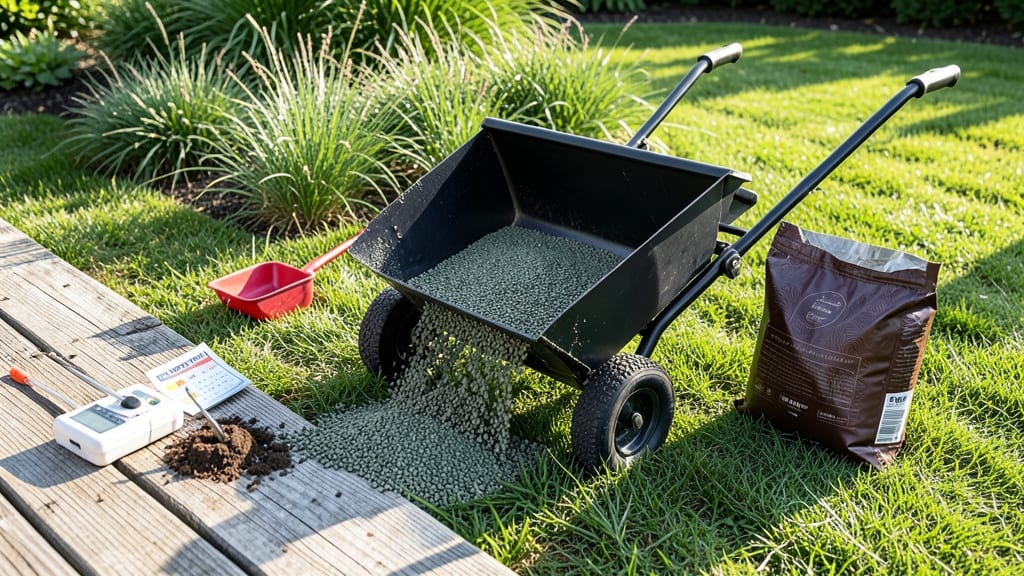
Fertilizing your lawn in Kansas City at the right time can mean the difference between a lush green carpet and a patchy, struggling yard.
If you're struggling to keep your Kansas City lawn 🌱 thriving year-round, timing your fertilizer applications could be the missing piece—and getting it wrong can waste money while harming grass health.
Kansas City’s 6a climate means soil warms slowly in spring and cools quickly in fall, so blindly following generic schedules won’t cut it. Too early, and you’ll burn tender new grass; too late, and your lawn won’t have the nutrients it needs to outpace weeds.
Below, I break down the exact months to fertilize for Kansas City’s unique seasons, how soil temperature dictates success, and the one fertilizer type that works best here—without overloading your yard or the local water supply.

Kansas City fertilizer schedule by season: best months for optimal lawn growth
Timing your lawn fertilizer in Kansas City isn't just about following a calendar—it's about working with the city's unique climate challenges, from sudden heat spikes to unpredictable droughts. The USDA Zone 6a-7a climate means your grass needs precise care to thrive year-round.
Skipping fertilization at the wrong time can leave your lawn weak, while overdoing it in summer can burn grass and waste money.
Kansas City's spring and fall are the golden windows for fertilization, but summer demands lighter touches to avoid stressing grass during 90°F+ heat waves. Pre-emergent herbicides also play a critical role in controlling weeds before they take over.
Let's break down the month-by-month schedule that keeps your lawn lush without breaking the bank or harming the environment.
| Season | Key Months | Fertilizer Type | Action | Notes |
|---|---|---|---|---|
| Early Spring | March - Early April | Slow-Release Nitrogen (24-0-10) | First Feed | Apply when soil temps reach 50-55°F for cool-season grasses like Kentucky Bluegrass. |
| Late Spring | May | High-Nitrogen (30-0-4) | Second Feed | Boost growth before summer heat; avoid if drought warnings exist. |
| Summer | June - July | Light Nitrogen (10-0-20) | Maintenance Feed | Use half-strength applications to prevent burn during heat spikes. |
| Pre-Emergent | Late March - Early April | Pre-Emergent Herbicide | Apply Before Weeds Sprout | Critical for crabgrass control; reapply in July if needed. |
| Fall | September - October | Winterizer (High Potassium) | Strengthen Roots | Apply 6-8 weeks before first frost to prepare for winter dormancy. |
| Winter | November - February | None | Dormant Period | Grass goes dormant—no fertilization needed to avoid nutrient runoff. |
Kansas City's spring fertilization kicks off in March when soil temperatures rise above 50°F. This is when your lawn wakes up from winter dormancy and needs a high-nitrogen boost to jumpstart growth.
I recommend using a slow-release fertilizer like 24-0-10 to provide steady nutrients without overwhelming the grass. Apply it in early morning to avoid burning from afternoon heat.
By May, your lawn should be well-established, but Kansas City's unpredictable weather means you must stay vigilant. A second feeding with a 30-0-4 blend helps maintain vibrant color, but only if rainfall is consistent.
If drought warnings are issued, skip this step entirely to prevent stress on the grass. Always water deeply after fertilizing to help nutrients penetrate the soil.
Summer in Kansas City brings intense heat and occasional droughts, making June and July the trickiest months for fertilization. Instead of heavy feeds, opt for light applications of a 10-0-20 blend every 6-8 weeks.
This keeps your lawn green without overloading it with nutrients that can cause burn during 90°F+ temperatures. Pair this with deep, infrequent watering to encourage deep root growth.
One of the most critical (but often overlooked) steps is applying pre-emergent herbicides
How soil temperature determines fertilizer timing in Kansas City (with ideal ranges)
Most gardeners in Kansas City rely on calendar months to fertilize their lawns, but soil temperature is the real game-changer. In our USDA Zone 6a climate, soil warms slowly in spring and cools quickly in fall, making calendar dates unreliable.
Fertilizer applied when soil is too cold won’t activate properly, wasting money and potentially burning grass roots.
For example, I’ve seen lawns in Kansas City struggle when fertilized in early March—even though it’s technically spring—because the soil might still be below 50°F. Meanwhile, late April applications often work perfectly when soil hits 55-60°F.
The key is understanding your lawn’s root zone temperature, not just the air temperature.
Testing soil temperature is easier than you think. Use a soil thermometer (available for $10-$15) to check 2-3 inches deep—this is where grass roots thrive. In Kansas City, I recommend waiting until soil hits 55°F consistently before applying spring fertilizer.
For summer light feedings, aim for 65-75°F to avoid stressing the lawn during heat waves.
Adjusting your schedule for early or late seasons is crucial. If spring arrives unusually warm (like in 2021), you might fertilize by late March. Conversely, a cold April could push timing to early May.
Always pair soil temperature checks with a weather forecast for the next 7-10 days to avoid fertilizing before a cold snap.
Slow-release fertilizers work best in Kansas City’s climate because they sync with root activity. Fast-release options can overfeed when soil temps spike suddenly. I recommend 24-0-10 or 30-0-4 blends—these provide steady nitrogen without risking runoff during our unpredictable summer rains.
Remember: Fall fertilization is a myth in Kansas City. By September, soil temps drop below 50°F, and grass growth slows. Applying fertilizer then encourages late-season growth that weakens before winter. Instead, focus on core aeration in early fall to prep for spring.
Pro tip: Mark your calendar for mid-April to late May as your prime window, but always verify with a soil thermometer. This small step can double your lawn’s resilience against Kansas City’s droughts and heat spikes.