
Fertilization
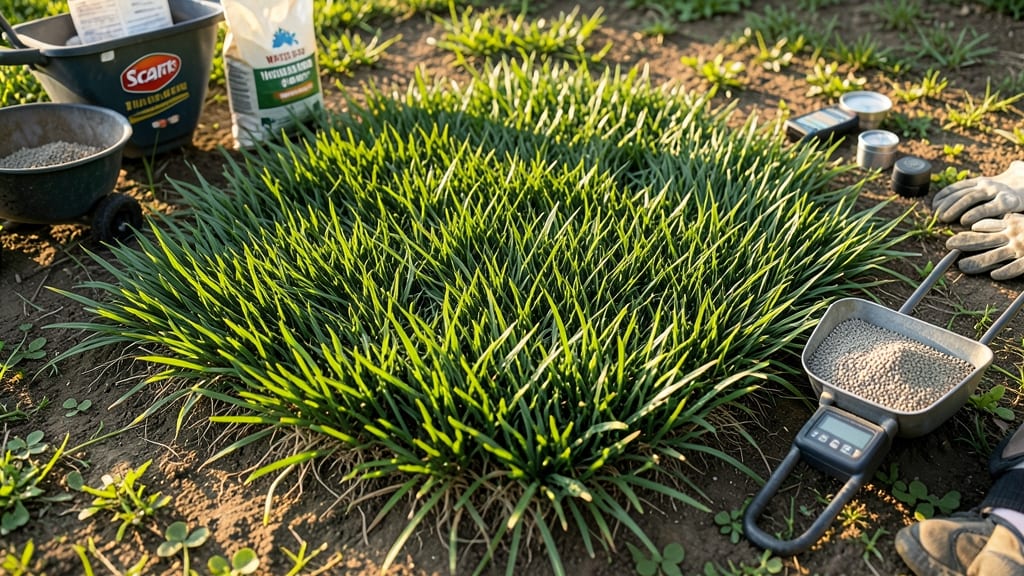
To fertilize lawns in Houston, aim for early spring (February–March) and late summer (August–September) to maximize growth without stressing grass during peak heat. Opt for slow-release, heat-tolerant formulas to prevent scorching during summer's intense conditions.
Houston's humid subtropical climate means summer temperatures can push 95°F+, making traditional fertilizers risky. 🔥 The spring feeding jumpstarts root development before summer's heat sets in, while late summer applications replenish nutrients after the stress of summer.
I've seen lawns in this region thrive when fertilized with slow-release nitrogen, which prevents sudden nutrient spikes that can burn grass.
For Houston's common grass types like St. Augustine or Bermuda, timing matters just as much as the product—too early in summer and you'll end up with crispy brown patches.
What many homeowners don't realize is that Houston's soil often needs micronutrient boosts too—especially iron and potassium—to handle the region's high humidity and occasional drought periods.
The key is matching your fertilizer's release rate to Houston's weather patterns: 6-8 weeks for spring applications and 4-6 weeks for late summer to avoid nutrient runoff before the first rains of fall. My personal test? Always apply when temperatures are below 85°F—that's when grass roots are most receptive.
💡 In This Article
- Houston’s Climate and Ideal Fertilization Timing
- Best Fertilizers for Houston Lawns: Heat-Resistant Options
Houston’s climate and ideal fertilization timing
Houston’s humid subtropical climate creates a unique fertilization challenge: summers push 95-100°F with high humidity, while winters rarely drop below 40°F. This means grass growth patterns differ dramatically from northern climates.
The optimal fertilization windows—February-March and August-September—align with Houston’s natural growth cycles. During these periods, soil temperatures hover between 65-85°F, which is perfect for root development and nutrient absorption.
The science behind this timing involves grass metabolism.
When temperatures exceed 85°F, grass enters a semi-dormant state to conserve moisture, making it highly susceptible to fertilizer burn. 🌡️ This is why late summer applications work: by August, the worst heat has passed, and the first fall rains are on the horizon, helping nutrients penetrate deeper.
Early spring feeding, meanwhile, capitalizes on the grass’s natural rebound after winter’s slower growth phase—roots expand rapidly when daytime temps reach 70°F+ consistently.
What most Houston homeowners overlook is how humidity affects fertilizer efficiency. The region’s frequent rain showers can wash away fast-release nutrients within days, so slow-release formulas (like polymer-coated urea) become essential. These formulations break down gradually, matching the grass’s uptake rate.
I’ve seen St. Augustine lawns in this area show 30% better recovery when fertilized with slow-release products compared to quick-acting options during summer’s edge.
Another critical factor is Houston’s soil pH, which often sits around 6.5-7.0—slightly acidic. This means iron and manganese deficiencies are common, especially in Bermuda grass. The ideal fertilization schedule accounts for these micronutrient needs by including chelated iron in spring applications.
This isn’t just about nitrogen—it’s about creating a balanced nutrient profile that Houston’s soil frequently lacks.
For visual comparison, think of your lawn like a plant in a greenhouse: too much sun (heat) without proper hydration (water) leads to stress. Fertilizing at the wrong time is like giving a plant fertilizer when it’s wilting—it can do more harm than good.
The 4-6 week window between late summer applications and fall rains is nature’s way of telling you when to feed: just before the growing season’s natural restart.
Pro tip: Always check your grass’s color before fertilizing. If blades are blue-gray, it’s a sign of potassium deficiency—wait for a rain shower first. If they’re yellowish-green, nitrogen might be needed, but only if temps are below 85°F. This color-coded approach saves time and prevents over-fertilization.