
Lawn
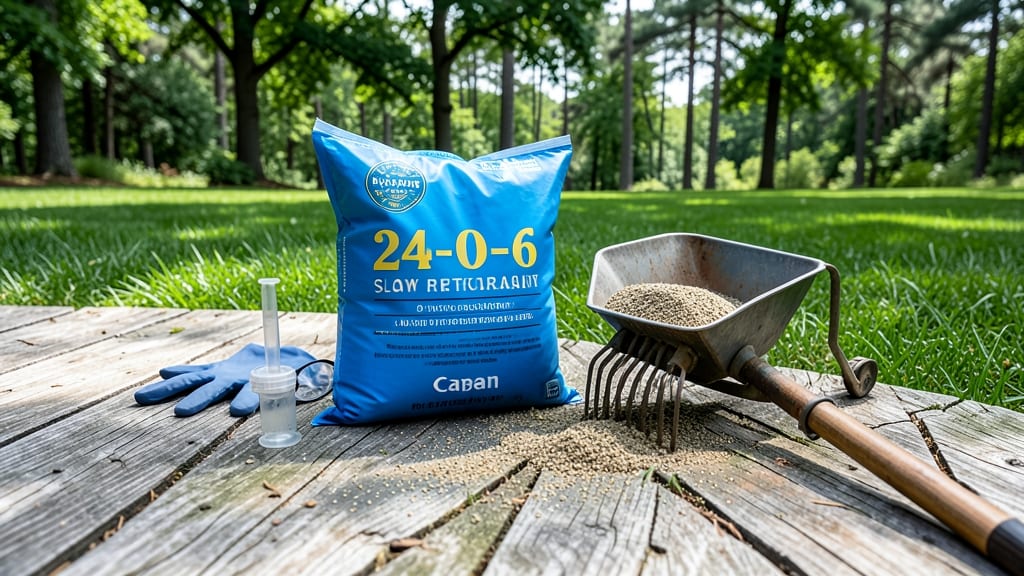
To fertilize lawn in Connecticut, aim for early spring and late fall when soil temperatures hover between 50°F and 60°F—this timing aligns with your grass’s natural growth cycles and CT’s 5b-6b climate zones.
If you’ve ever stared at a patchy, yellowing lawn in June and wondered why it won’t bounce back, the answer is likely tied to when (or if) you fertilized. Connecticut’s unpredictable swings from frost to heat mean a one-size-fits-all schedule won’t cut it—your grass needs precise timing to thrive.
Cool-season grasses like Kentucky bluegrass and fescue, which dominate CT lawns, crave nutrients in spring and fall, while summer applications can stress them.
We’ll break down the exact months to feed, how to read your soil’s signals, and when to skip fertilization entirely to avoid wasting money—or worse, harming your lawn.
You’ll leave here with a customized CT schedule, tips for organic vs. synthetic fertilizers, and how to adjust for drought or clay-heavy soil. Let’s get that lawn lush again—without guessing.

Connecticut climate zones & ideal fertilization timing by season
Connecticut spans USDA Hardiness Zones 6a to 7b, meaning our lawns face cool springs, warm summers, and chilly falls. Getting your fertilizer timing right is critical—apply too early, and nutrients wash away; too late, and your grass struggles to green up.
The key? Align applications with soil temperatures and seasonal growth cycles.
Most Connecticut lawns thrive with 3-4 fertilizer applications per year, but the exact timing depends on your grass type (cool-season vs. warm-season) and local microclimate.
For example, tall fescue and Kentucky bluegrass (common in CT) need early spring and fall feedings, while warm-season grasses like Bermuda (less common but found in southern CT) peak in late spring and summer.
Here’s the golden rule: Never fertilize when soil temps are below 50°F (10°C) or above 85°F (29°C). Below 50°F, microbes can’t break down nutrients; above 85°F, you risk burning your grass. Use a soil thermometer to check—it’s your best tool for precision timing.
Pro Tip: In Zone 6a (northern CT), aim for April, June, and September applications. In Zone 7b (southern CT), shift to March, May, and August. The difference? Warmer southern CT soils warm up 2-3 weeks earlier in spring.
Let’s break down each season’s fertilization strategy. In early spring (April), your lawn wakes up from dormancy—this is when you should apply a high-nitrogen fertilizer (24-0-10) to jumpstart growth. Wait until soil temps hit 50°F+ and the ground is dry enough to work (no mud!).
For Zone 6a, this might be late April; for Zone 7b, early April works.
By late spring (June), your grass is actively growing, but heat stress becomes a risk. Use a light feed (half-strength) to avoid burning. Water deeply after application to help nutrients absorb. If you notice yellow patches, it’s a sign of nitrogen deficiency—time for a quick boost.
Summer in Connecticut can be brutal for lawns, especially in Zone 7b, where temps often exceed 85°F (29°C). Fertilizing during peak heat is a no-go—it stresses grass further.
Instead, opt for a light organic feed in July if your lawn shows signs of thinning. Always fertilize before 10 AM to reduce evaporation.
Fall is the most critical fertilization window for CT lawns. Aim for a heavy feed in September (6-8 weeks before first frost) to strengthen roots and prepare for winter. Use a slow-release fertilizer (20-5-10) to ensure nutrients last through dormancy. In Zone 6a
Signs your CT lawn needs fertilizer (and when to avoid it)
If your Connecticut lawn is looking less than vibrant, it might be screaming for nutrients—but knowing the right signs and timing is key. Yellow patches, slow growth, or weeds taking over are classic red flags that your grass is hungry.
However, CT’s unpredictable climate means fertilizing at the wrong time can do more harm than good.
First, identify your grass type. Connecticut lawns typically feature cool-season grasses like Kentucky bluegrass or warm-season grasses like Bermuda. Cool-season grasses thrive in early spring and fall, while warm-season varieties peak in late spring and summer. Misjudging this can lead to wasted fertilizer or even lawn burn.
🌱 Key takeaway 🌱
When to Fertilize in CT
Watch for yellowing grass, which often signals a nitrogen deficiency. If your lawn feels spongy underfoot or has thin patches, it may need phosphorus and potassium for root strength. Weed infestations also indicate poor grass health—healthy lawns naturally suppress weeds by outcompeting them for nutrients.
However, never fertilize during drought or when CT’s summer heat exceeds 90°F. Over-fertilizing in these conditions can burn your grass and waste resources. Instead, wait until soil moisture returns and temperatures drop slightly. A simple soil test (available at CT agricultural extensions) can confirm nutrient needs before applying anything.
For cool-season grasses, aim for two key feedings: once in early spring (April) and again in early fall (September). Warm-season grasses, like Bermuda or Zoysia, need late spring and summer feedings (May-June) to thrive. Always water deeply after fertilizing to help nutrients absorb into the soil.
If your lawn is already stressed from pests, disease, or extreme weather, hold off on fertilizing until conditions improve. Revitalize first with proper watering, aeration, or overseeding before adding fertilizer. Patience and timing are your best tools for a lush, resilient CT lawn.
💧 Remember: Over-fertilizing is just as harmful as under-fertilizing. Stick to the recommended schedule, monitor your lawn’s response, and adjust as needed. With the right approach, your CT lawn will stay green, healthy, and weed-free all season long.