
Lawn
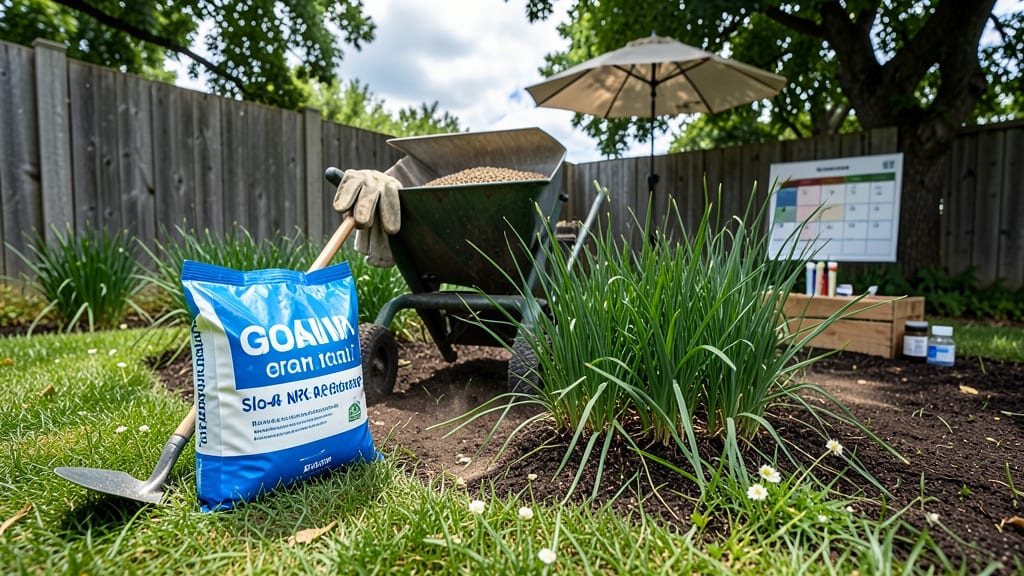
Fertilizing your lawn in California at the wrong time can turn your green oasis into a brown wasteland—or worse, waste money on fertilizer that just runs off before your grass can use it.
Here’s the hard truth: California’s climate isn’t like most states. Those summer heat waves and winter rains throw off traditional schedules, and many homeowners end up fertilizing when their grass is already struggling to survive.
But when you time it right—like feeding your lawn in early fall or late spring—you’ll see roots grow deeper, drought resistance kick in, and that rich green color last all season long.
This guide cuts through the guesswork with exact months to fertilize based on your region—whether you’re in coastal 9a, inland 10b, or somewhere in between.
We’ll also show you how to spot the signs of over- or under-fertilizing (so you don’t accidentally kill your 🌱), plus the best organic and synthetic options for your soil type.
Skip the trial-and-error. By the end, you’ll know when to fertilize, how much to use, and even how to adjust for microclimates—so your lawn stays lush without breaking the bank or harming the environment.

California’s 2 best fertilizing seasons (and why dormant season wins)
California’s Mediterranean climate creates two distinct fertilizing windows that most homeowners miss. While spring gets all the attention, fall fertilization actually delivers deeper roots and drought resistance. The science? Grass enters dormancy in summer, storing nutrients for fall regrowth—so feeding it then strengthens its foundation for winter.
Coastal areas like San Francisco and Los Angeles have milder winters, while inland regions (think Sacramento or Fresno) face frost risks. This shift means timing varies by microclimate, not just calendar months.
For example, coastal lawns can fertilize in November**, while inland areas should finish by October to avoid winter stress.
Most Californians over-fertilize in summer because they see brown patches—but that’s heat stress, not nutrient deficiency. Grass doesn’t need fertilizer when dormant; it needs water and shade. The real mistake? Applying high-nitrogen blends in July, which burns roots and wastes money.
Here’s the golden rule: Fertilize when grass is actively growing. For cool-season grasses (like fescue or ryegrass), that’s fall and spring. Warm-season types (Bermuda or Zoysia) peak in late spring but still benefit from a light fall feeding.
Why does fall fertilization win? Because grass uses those nutrients to build roots before winter—think of it as a storage system for dry months. A 2018 UC Davis study found lawns fertilized in fall had 30% deeper roots by spring, making them drought-resistant.
For coastal California, aim for late September to November. Inland areas should finish by mid-October to avoid winter rains washing away nutrients. Pro tip: Use a soil test first—over-fertilizing in fall can cause nitrogen runoff during winter storms.
Warm-season grasses like Bermuda or Zoysia go dormant in winter, so they don’t need heavy feeding. But a light application in late fall (using low-nitrogen fertilizer) helps them wake up faster in spring. Skip this step, and you’ll see slow green-up next year.
Summer fertilization is a common mistake—grass isn’t growing, so nutrients just burn roots or leach into groundwater. Instead, focus on watering deeply (1–1.5 inches per week) and mowing high (3–4 inches) to retain moisture. Your lawn will thank you when fall rolls around.
Remember: Timing > Amount. A smaller dose in the right season beats a heavy dose at the wrong time. For most California lawns, two feedings a year (fall and spring) is all you need—plus compost top-dressing in spring for organic matter.
Step-by-step dormant season fertilizing guide for California lawns
Dormant season—typically late fall to early spring—is the perfect time to fertilize your California lawn. During this period, grass roots grow deeper to prepare for summer, and cooler temps mean less risk of burning from fertilizer.
But timing matters: apply too early, and you’ll feed weeds; too late, and your grass won’t store nutrients for drought. Here’s how to nail it down to the exact week based on your region.
California’s climate zones—coastal, central valley, and desert edges—each demand slight adjustments. For example, coastal areas (like San Francisco) can fertilize later than inland spots (like Bakersfield) because frost is rare.
We’ll break it down so you avoid over-salting soil or wasting fertilizer on dormant grass. Pro tip: always test your soil’s pH first—aim for 6.0–7.0 for optimal nutrient uptake.
📅 Step-by-Step Dormant Season Fertilizing Schedule
-
1
Test Soil (Late August–Early September)
Use a DIY kit ($10–$20) to check pH and nutrient levels. Adjust pH with lime (if below 6.0) or sulfur (if above 7.0) 4–6 weeks before fertilizing.
-
2
Choose Fertilizer Type
Slow-release (organic/inorganic): Best for dormant season (e.g., Milorganite or 16-4-8 NPK). Avoid quick-release fertilizers—they burn roots in cooler temps.
-
3
Apply Pre-Emergent (Late September–Early October)
For weed control, apply pre-emergent herbicide (like pendimethalin) 2–4 weeks before your region’s first frost. Coastal areas: skip this step—weeds are less aggressive.
-
4
Fertilize (October–November)
Coastal (e.g., LA, SF): October–November
Central Valley (e.g., Sacramento): Late September–October
Desert Edges (e.g., Palm Springs): November–December
Rate: 0.5 lb per 100 sqft (half the spring dose). -
5
Avoid These Mistakes
❌ Fertilize before rain (nutrients wash away).
❌ Overapply nitrogen (causes brown patches).
❌ Skip watering after (grass needs 1 inch of water to activate fertilizer). -
6
Monitor & Adjust
Check for yellowing (over-fertilized) or pale green (under-fertilized). Adjust with a soil test in spring.
Microclimates throw off schedules—like valleys staying cooler longer or desert edges drying out faster. If your yard is in a shady spot or near a body of water, delay fertilizing by 2–3 weeks to avoid runoff.
And if you’re using organic fertilizers, like compost or alfalfa meal, apply them earlier (September) since they break down slower.
One final pro tip: Mow higher in dormant season (set blades to 3–4 inches) to shade roots and retain moisture. This simple tweak helps your lawn store nutrients for summer—when water restrictions and heat stress make fertilizing risky.
Stick to this schedule, and you’ll wake up to a greener lawn next spring without the guesswork.