
Lawn
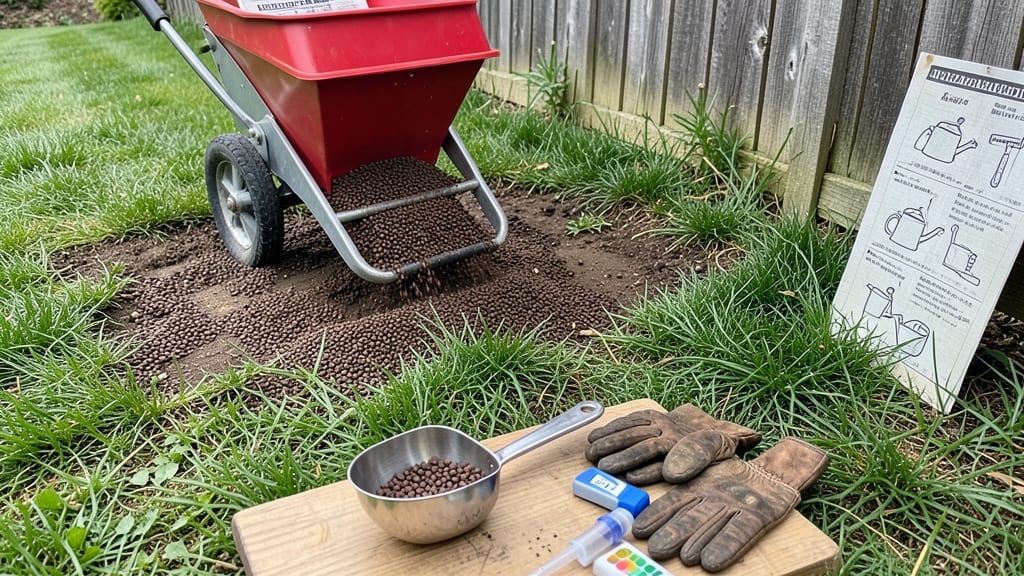
Fertilizing your lawn at the right time can transform it from patchy and weak to deep green and resilient—and the best windows depend on your climate and grass type.
Wondering why your lawn looks dull even after mowing? Timing your fertilizer application based on your local climate could be the game-changer you need for lush, deep roots and vibrant green grass.
In Zone 6, the ideal times to fertilize are early spring (March–April) and early fall (August–September), when your lawn grass is actively growing but not under stress from heat or drought.
Below, I’ll break down the seasonal schedule for cool-season and warm-season grasses, plus how to adjust for rain, drought, or recent seeding to keep your lawn thriving all year.

Seasonal fertilizing schedule by US climate zones
Timing your lawn fertilizer applications is just as important as choosing the right product. The USDA hardiness zones dictate when cool-season and warm-season grasses need nutrients most.
For example, cool-season grasses like Kentucky bluegrass thrive with early spring and fall fertilization, while warm-season grasses such as Bermuda grass peak in late spring and summer. Missing these windows can leave your lawn struggling to recover.
Your local climate plays a critical role—Northern states with USDA zones 3-5 may need to fertilize earlier in spring to combat frost, while Southern zones 6-10 can extend fertilization into late fall.
Even within the same zone, microclimates (like shaded areas or urban heat islands) can shift optimal timing by 2-4 weeks. Always check your last frost date and adjust accordingly.
Here’s how to align your fertilization schedule with your region’s growing patterns for maximum results:
| Climate Zone | Grass Type | Early Spring (March-April) | Late Spring (May-June) | Summer (July-August) | Fall (September-October) |
|---|---|---|---|---|---|
| Zones 3-5 (Cool) | Cool-Season (Fescue, Bluegrass) | ✅ Feed (March) | ⚠️ Light feed (May) | ❌ Avoid (Dormant) | ✅ Feed (September) |
| Zones 6-8 (Transition) | Cool-Season (Ryegrass) + Warm-Season (Zoysia) | ✅ Feed (March-April) | ✅ Feed (May-June) | ⚠️ Light feed (July-August) | ✅ Feed (September) |
| Zones 9-10 (Warm) | Warm-Season (Bermuda, St. Augustine) | ❌ Avoid (Dormant) | ✅ Feed (May-June) | ✅ Feed (July-August) | ❌ Avoid (Dormant) |
| All Zones (Special Cases) | New Seedlings | ❌ Wait 6-8 weeks | ✅ Light feed (Low N) | ⚠️ Light feed (Avoid burn) | ✅ Feed (September) |
Key: ✅ = Optimal time | ⚠️ = Caution needed | ❌ = Avoid fertilizing
In USDA zones 3-5, cool-season grasses wake up early, so your first fertilization should happen 4-6 weeks after the last frost. Use a high-nitrogen fertilizer (25-0-5) to encourage rapid green-up.
For zones 6-8, split your spring feeding into two applications: one in early spring for cool-season grasses and another in late spring for warm-season varieties like Zoysia.
Summer fertilization is tricky—most cool-season grasses go dormant, but warm-season grasses need light, frequent feeding to handle heat stress. In zones 9-10, focus on July-August applications with a slow-release fertilizer to prevent runoff during monsoon seasons. Always water deeply after fertilizing to activate nutrients and reduce burn risk.
Fall is your second-chance season for fertilization. In zones 3-7, apply fertilizer 6-8 weeks before the first frost to strengthen roots for winter. For zones 8-10, a late-summer feed can extend green-up into early fall.
Avoid fertilizing within 30 days of frost—it encourages tender new growth that won’t survive cold snaps.
Pro tip: If your lawn has thatch layers over 0.5 inches, core aerate 2-3 days before fertilizing to help nutrients reach the roots. This is especially critical in high-traffic areas where compaction blocks fertilizer absorption. Pair aeration with compost top-dressing for even better results.
Regional variations matter—coastal areas may need more frequent light feeds due to salt stress, while desert climates should fertilize only during monsoon seasons to prevent water waste. Always check your local cooperative extension service for hyper-local
Signs your lawn needs fertilizer (and when to avoid it)
Your lawn speaks volumes through its color and growth patterns, and ignoring these signals can leave your grass struggling. Yellowing patches, slow recovery after mowing, or thin spots are classic signs your lawn is nutrient-deficient.
These visual cues often mean your grass isn't getting enough nitrogen, phosphorus, or potassium—the trifecta for healthy growth. Before reaching for fertilizer, though, I always check for underlying issues like soil compaction or pests that might be mimicking nutrient needs.
One of the first steps I take is a simple soil test (kits are affordable and available at garden centers). This tells me exactly what nutrients are lacking and whether my lawn needs a quick boost or a slow-release formula.
For example, a soil test revealing low nitrogen might explain why your grass looks pale and sparse. Without testing, you might over-fertilize, which can harm your lawn by burning the grass or leaching into groundwater. Timing matters just as much as the product you choose.
🌱
- Early Spring: March-April – Kickstart growth after winter dormancy (ideal for cool-season grasses like fescue or bluegrass).
- Late Spring: May-June – Light feed to maintain vibrancy during active growth (avoid high nitrogen in hot climates).
- Early Fall: August-September – Builds root strength before winter (critical for warm-season grasses like Bermuda or Zoysia).
- Avoid: Drought, extreme heat, or after seeding – Stress weakens grass, making it vulnerable to fertilizer burn.
Don’t fertilize if your lawn shows signs of stress, such as crunchy, brown patches during drought or after a heatwave. Grass in this state can’t absorb nutrients effectively, and over-fertilizing will only worsen the damage.
Instead, focus on watering deeply and mowing at the right height (never remove more than ⅓ of the blade) to reduce stress. If you’ve recently seeded, wait at least 6-8 weeks before fertilizing to avoid shocking new seedlings.
Another red flag is weed dominance. If your lawn is overrun with clover or crabgrass, it’s often a sign of poor soil health or imbalanced nutrients. In this case, I recommend a pre-emergent herbicide in early spring followed by a balanced fertilizer (like 10-10-10) to restore equilibrium.
Weeds thrive where grass struggles, so addressing the root cause—literally—is key. Always pair fertilization with aeration if your soil feels compacted, as this helps roots access nutrients.
For warm-season grasses, like St. Augustine or Centipede, the growing season runs from late spring to early fall, so I adjust my schedule accordingly. These grasses go dormant in winter, so fertilizing in late fall can stress them unnecessarily.
Meanwhile, cool-season grasses like Kentucky Bluegrass need that fall feeding to store nutrients for winter survival. Knowing your grass type is half the battle in timing fertilization correctly.
Finally, keep an eye on your lawn’s recovery rate after mowing. If it takes longer than a week to bounce back, your grass is likely nutrient-deficient. A quick fix? A liquid fertilizer with high nitrogen (like 25-0-5) applied in early morning or evening to prevent leaf burn.
Just remember: less is often more—overdoing it can lead to thatch buildup and environmental runoff. When in doubt, test your soil and fertilize lightly but consistently.
☀️