
Lawn
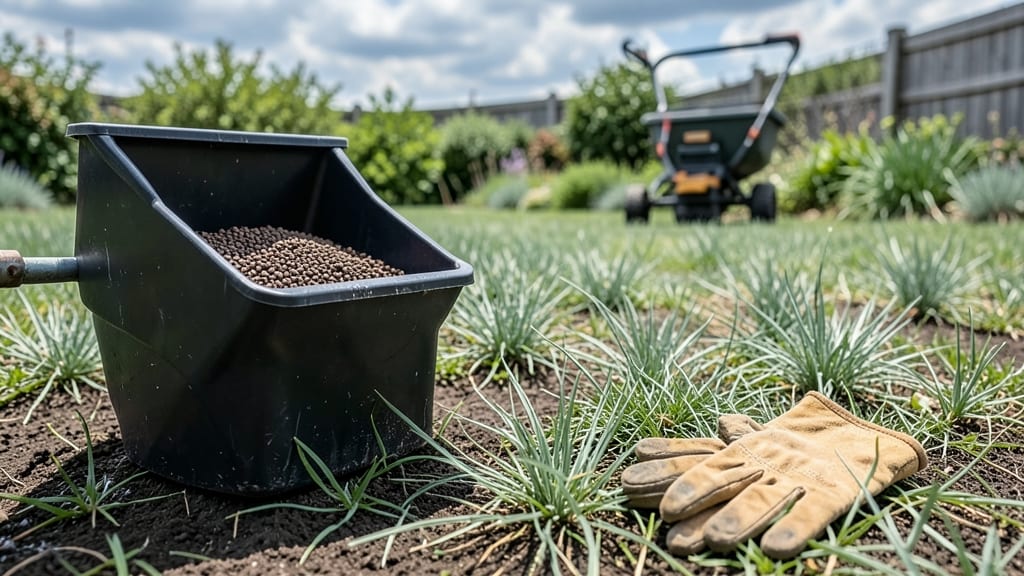
Fertilizing your lawn in the spring at the right time is the key to lush, deep roots before summer heat sets in 🌱 — and waiting too long can leave your grass struggling.
Spring is the perfect time to give your lawn a growth boost—but fertilizing too early or late can waste money and harm your grass. Timing matters more than most gardeners realize, especially if you want thick, lush roots before summer heat hits.
Most experts recommend feeding cool-season grasses like fescue or Kentucky bluegrass in early spring (March to early April), while warm-season types like Bermuda or Zoysia wait until late spring (May).
Below, I’ll break down the exact window for your region, how to test your soil first, and the one mistake that ruins even the best fertilizer schedule.

The Ideal spring fertilization timeline for lawn root strength
Timing your spring lawn fertilization is like scheduling a workout for your grass—too early, and it’s still recovering from winter; too late, and summer heat stress sets in. The sweet spot is 3-4 weeks after dormancy, when soil temps hit 55°F (13°C) consistently.
This window ensures your lawn absorbs nutrients efficiently while avoiding waste or environmental runoff.
For most U.S. regions, this translates to early March through April, but your local climate dictates the exact date. Cold zones (like USDA 3-5) need to wait until frost danger passes, while warm zones (like USDA 8-10) can start as early as February.
Ignoring these cues leads to burned grass or nutrient leaching.
Here’s why late spring applications fail: By May or June, your lawn is already stressed from heat and drought. Late fertilization forces grass to grow top-heavy instead of strengthening roots—a recipe for thin, weak turf by summer’s end.
Think of it as feeding your lawn a root-building smoothie before the heatwave hits.
Regional adjustments are critical. In the Northeast, aim for late April after soil warms. In the Southwest, start in February to beat the summer dry spell. Even a 2-week delay can reduce nutrient uptake by 30%, according to Penn State Extension studies.
| Climate Zone | Ideal Fertilization Window | Soil Temp Threshold | Key Grass Types |
|---|---|---|---|
| Cold Zones (USDA 3-5) | Late April - Early May | 55°F (13°C) for 7+ days | Kentucky Bluegrass, Fescue |
| Transition Zones (USDA 6-7) | March - Early April | 50°F (10°C) for 5+ days | Tall Fescue, Ryegrass |
| Warm Zones (USDA 8-10) | February - March | 60°F (16°C) for 3+ days | Bermuda, Zoysia |
| All Zones (Critical Rule) | Avoid fertilizing if frost is forecasted | N/A | All grass types |
Pro tip: Use a soil thermometer to confirm readiness. Stick it 4 inches deep—the depth where grass roots thrive. If temps are below 50°F (10°C), wait. Cold soil locks out nutrients, making your fertilizer money down the drain.
Think of it as preheating your oven before baking—your lawn needs the right conditions to absorb nutrients.
After applying fertilizer, focus on deep watering to activate nutrient uptake. Aim for 1 inch of water within 24 hours, split into two sessions (morning and evening). This flushes granules into the soil and prevents surface burn. Avoid overwatering, though—soggy soil drowns roots and washes away nutrients.
Watch for 3 signs your timing is perfect: Vibrant green blades within 7-10 days, faster regrowth after mowing, and thicker turf density by late spring. If you see yellow patches or slow recovery, you’ve either fertilized too early or used the wrong NPK ratio.
Adjust next time with a 28-0-4 blend for cool-season grasses or 16-4-8 for warm-season varieties.
Remember: Spring fertilization isn’t just about green leaves—it’s about strong roots. Grass with deep roots survives drought, resists weeds, and recovers faster from damage. By following this timeline, you’re not just feeding your lawn; you’re building its resilience for the challenges ahead.
For a second application, wait until late May or early June, just as grass enters its fastest growth phase. This second boost ensures your lawn stays lush through summer’s heat. But skip it if your region faces drought warnings—stressed grass can’t handle extra nutrients.
🌱
How to choose the right spring fertilizer for your grass type
Not all spring fertilizers are created equal—your grass type and local climate determine whether you need a quick-release boost or slow-release nourishment. Cool-season grasses like Kentucky bluegrass and fescue thrive on early spring feeding, while warm-season types like Bermuda and Zoysia prefer delayed applications.
The wrong choice can lead to burned patches or wasted money, so let’s break it down.
Start with a soil test to check nitrogen levels—most lawns need 0.3-0.4% nitrogen in early spring. If your soil tests low, opt for a high-nitrogen fertilizer (like 25-0-5 or 30-0-4).
For established lawns with decent soil, slow-release options (like polymer-coated urea) prevent nutrient runoff and feed roots steadily over 8-12 weeks.
🌱 Cool-season grasses (Kentucky bluegrass, fescue, ryegrass) need 30-40% of their annual nitrogen in early spring (March-April). Use a balanced fertilizer (e.g., 24-4-8) to avoid overloading roots before summer dormancy.
Warm-season grasses (Bermuda, Zoysia, St. Augustine) should wait until late spring or early summer (May-June) when soil temps hit 65°F+.
Quick-Release vs. Slow-Release Fertilizers
✅ Fast green-up in 3-7 days
✅ Ideal for thin lawns needing quick recovery
❌ Risk of burning if overapplied
❌ Requires frequent reapplication (every 4-6 weeks)
✅ Steady root growth over 8-12 weeks
✅ Reduces runoff and environmental harm
✅ Better for established lawns with healthy soil
❌ Slower visible results (2-4 weeks)
- Cool-Season: Quick-release in March-April (e.g., 25-0-5)
- Warm-Season: Slow-release in May-June (e.g., 16-4-8)
Avoid high-phosphorus fertilizers (like 10-20-10) unless your soil test shows a deficiency—most lawns only need 0.1-0.2% phosphorus.
For Kentucky bluegrass, mix in potassium (e.g., 12-12-12) to strengthen cold tolerance. Bermuda grass, on the other hand, benefits from low-nitrogen, high-potassium blends (like 10-10-20) in late spring to harden off for summer heat.
Pro tip: Water your lawn deeply before and after fertilizing to activate nutrients and prevent leaf burn. Use a rain gauge or tuna can to measure 1 inch of water—this ensures fertilizers reach roots, not just the surface.
For sandy soils, split applications into two doses 3-4 weeks apart to avoid leaching.
🌿 Test your soil every 2-3 years—many gardeners over-fertilize because they assume their lawn is "hungry." A simple $20 home test kit reveals pH and nutrient levels, saving you money and protecting local waterways. If your soil is acidic (pH < 6.0), pair fertilizer with lime to improve nutrient uptake.