
Lawn
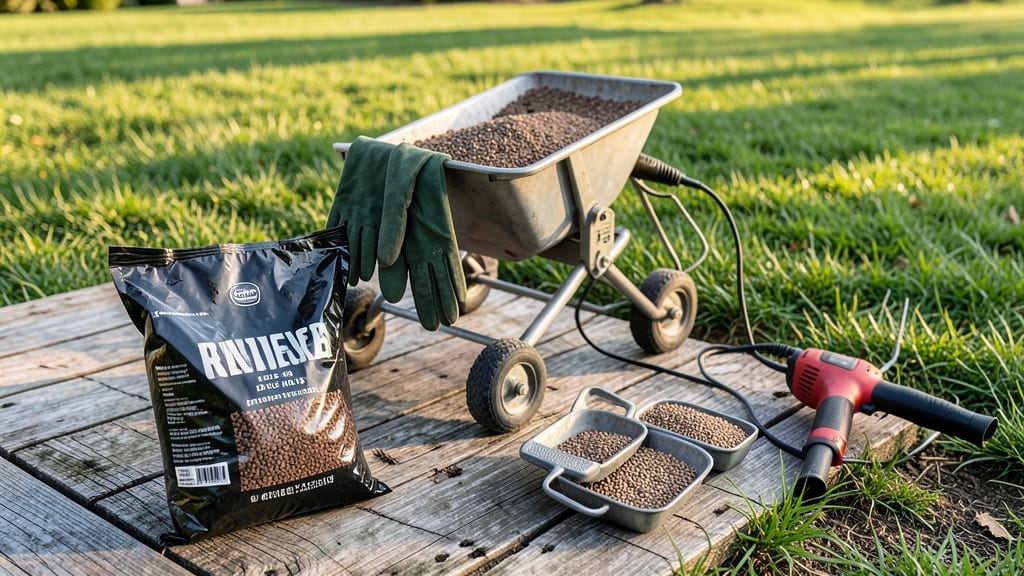
To fertilize your lawn in the fall, aim for mid-September through early November, as this timing helps grass roots strengthen before winter and promotes vibrant spring growth.
Timing matters because cooler fall temperatures and reduced rainfall create ideal conditions for nutrient absorption. 🌱 In warmer climates like USDA zones 7-10, early fall (mid-September to October) is best, while cooler regions (zones 3-6) should wait until late October to early November.
This seasonal window helps grass store essential nutrients before dormancy, setting the stage for a lush, healthy lawn when spring arrives.
For best results, choose a slow-release fertilizer with a higher nitrogen content (like a 24-0-6 or 28-0-4 blend) to support root development. Organic options such as compost or bone meal also work well, though they may require more frequent applications.
Always apply when the forecast predicts dry weather for at least 24 hours to prevent runoff and ensure the nutrients reach the soil.
💡 In This Article
- Fall Fertilization Timing by Climate Zone
- Choosing the Right Fall Lawn Fertilizer
Fall fertilization timing by climate zone
Cooler fall temperatures trigger grass to shift into a growth-and-storage mode, making it the perfect time to fertilize. The ideal window—mid-September to early November—aligns with when grass roots actively absorb nutrients before entering winter dormancy.
In warmer climates (USDA zones 7-10), like Florida or Southern California, fertilize by mid-October to avoid encouraging late-season growth that won’t harden off before cold snaps.
Meanwhile, cooler regions (zones 3-6), such as the Midwest or Northeast, should wait until late October to early November when soil temps drop below 60°F but before frost sets in.
The science behind this timing lies in how grass responds to temperature shifts. Cooler weather slows microbial activity in the soil, reducing nutrient competition, while reduced rainfall means less runoff—so applied fertilizers stay where they’re needed.
For example, in zone 5 (like Chicago), applying fertilizer in early November gives grass a 6-8 week window to absorb nutrients before dormancy, while in zone 9 (like Los Angeles), a September application ensures nutrients are absorbed before winter rains dilute them. 🌡️
Regional adjustments matter too. In areas with unpredictable weather, like the Pacific Northwest, aim for late October to avoid wet conditions that can wash away nutrients. Conversely, in the Deep South, a September application helps grass recover from summer stress before humidity spikes.
Always check your local USDA zone and monitor soil temperatures—if they’re still above 65°F, delay fertilization to prevent grass from growing too late in the season.
What most homeowners overlook is how soil moisture affects nutrient uptake. After fertilizing, water lightly to activate granules, but avoid heavy watering for 24-48 hours to let nutrients penetrate. In drought-prone areas, consider a light irrigation schedule post-application to encourage deeper root growth.
This is especially critical for cool-season grasses like Kentucky bluegrass or fescue, which thrive with fall fertilization but can suffer if overwatered.
For a visual guide, think of it like this: In the North, the goal is to "feed the roots" before they sleep; in the South, it’s about "replenishing" after summer wear. Both strategies rely on the same principle—nutrient absorption peaks when grass is active but not growing aggressively.
This balance is why fall fertilization yields 20-30% more root growth than spring applications, setting your lawn up for a stronger spring rebound. 🌱
Pro tip: If you’re unsure about your zone, use a soil thermometer—ideal fertilization temps are between 50-65°F. In colder climates, a light application in late fall (just before dormancy) can also protect grass from winter stress.
This two-step approach—early fall for growth, late fall for protection—is a game-changer for lawn resilience.