
Fertilization
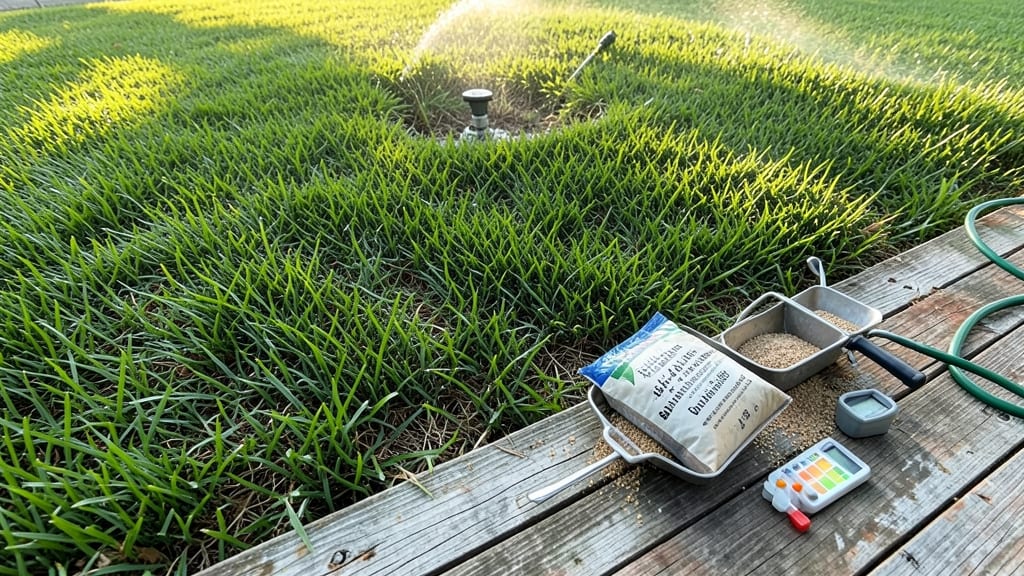
To fertilize your lawn in Florida, aim for early spring and late fall when temperatures are mild and rainfall is steady—this is when your 🌱 thrives most without stress.
Florida’s scorching summers and unpredictable weather can turn lawn care into a guessing game—but timing your fertilization right ensures a lush, heat-resistant yard year-round. Skip the wrong season, and you’ll waste money on fertilizer that burns your grass or fails to take root.
Most Florida lawns—whether St. Augustine, Bermuda, or Zoysia—need two key feedings: one in February or March to kickstart growth and another in October or November to strengthen roots before winter. This schedule avoids the heat stress of summer and the dormancy of Florida’s rare cold snaps.
Below, I’ll break down the exact months to fertilize by region, how to pick the right fertilizer for Florida’s sandy soil, and 5 mistakes that even experienced homeowners make—so you can keep your lawn green without overdoing it.

Florida’s ideal fertilizer schedule: spring & fall timing explained
Florida’s warm climate means your lawn stays active year-round, but that doesn’t mean you should fertilize all year. The key to a thick, heat-resistant lawn lies in two critical fertilization windows: early spring and late fall.
These timings align with your grass’s natural growth cycles and Florida’s microclimates, ensuring nutrients are absorbed efficiently without burning your turf.
In spring, your lawn wakes up from its winter dormancy (if any) and needs a nitrogen boost to green up fast. Fall fertilization, on the other hand, strengthens roots before cooler weather sets in.
Skipping either window means weaker grass, more weeds, and a lawn that struggles with Florida’s intense summer heat and unpredictable rainfall. Let’s break down the science behind these timings and how to adapt them to your specific region.
🌱 Why Two Feedings? Florida’s lack of true winters means grass grows almost year-round, but growth slows in summer due to heat stress. Spring and fall feedings provide the perfect balance of nutrients when your lawn can actually use them. In spring, warm soil and increasing daylight trigger rapid growth—ideal for absorbing fertilizer. In fall, cooler temps and shorter days signal your grass to focus on root development, making it more drought-resistant for summer.
Here’s the golden rule for Florida fertilization: Feed when temps are mild (between 60°F and 85°F) and rainfall is moderate. Avoid fertilizing when soil temps exceed 85°F—this causes fertilizer burn and forces grass into a stressful growth spurt.
Similarly, don’t fertilize during Florida’s wet seasons (June-September in North Florida, May-October in South Florida), as excess moisture washes away nutrients before your lawn can use them.
🌡️ Temperature Triggers are your best guide. In North Florida (USDA Zones 8a-9a), aim for spring feedings between February and April when soil temps consistently stay above 60°F. In Central Florida (Zones 9b-10a), shift your schedule to January-March and October-November to avoid summer’s extreme heat. South Florida (Zones 10b-11) can fertilize almost year-round, but still prioritize spring (Dec-Feb) and fall (Sept-Nov) for best results.
| Season | Key Task | Ideal Months | Soil Temp | Rainfall Note |
|---|---|---|---|---|
| Spring | Pre-emergent + Fertilizer | Feb-Apr (North FL) Jan-Mar (Central/South FL) |
60°F-75°F | Avoid heavy rain 48 hrs before/after |
| Summer | Light Feed Only | June-Aug | Above 85°F | Use slow-release; water deeply |
| Fall | Overseed + Fertilizer | Oct-Nov (All FL) | 70°F-80°F | Ideal for root growth |
| Winter | No Fertilizer | Dec-Jan (North FL) | Below 60°F | Grass goes dormant |
For spring fertilization, time your first application right as your grass greens up—usually February in North Florida and January in South Florida. Use a balanced fertilizer (16-4-8 or 30-0-4) to promote leaf growth without overloading your lawn.
Follow up with a pre-emergent herbicide 4-6 weeks later to stop weeds before they sprout. Pro tip: Mow high (3-4 inches) after fertilizing to reduce stress and encourage deeper roots.
Fall is all about root strengthening. Your last fertilization should happen 6-8 weeks before the first frost (if any)—typically October in North Florida and November in South Florida. Choose a slow-release fertilizer to provide steady nutrients as your grass prepares for cooler weather.
Pair this with overseeding to fill in thin patches and boost density. In Florida’s warmer regions, you can even get away with a light winter feeding in December if your grass stays green.
One of the biggest mistakes Florida homeowners make is over-fertilizing in summer. When temps exceed 85°F, grass growth slows, but the fertilizer keeps pushing new shoots—leading to burned, yellow patches. Instead, switch to a half-strength application of slow-release fertilizer
How to adjust fertilizer timing for Florida’s 3 distinct regions
Florida’s climate isn’t one-size-fits-all—what works for a North Florida lawn in January might burn South Florida grass in August. The state’s three regions (North, Central, South) each demand unique fertilization strategies.
In the Panhandle, cooler winters mean grass stays semi-dormant, while Miami’s year-round warmth keeps lawns growing almost nonstop. Even the Central Florida transition zone needs a middle-ground approach.
Your grass type matters too: St. Augustine thrives in South Florida’s humidity but struggles in North Florida’s freeze risks, while Bermuda grass dominates Central Florida’s heat. Regional timing also prevents pests—chinch bugs in summer or fungal diseases in wet springs.
Let’s break down when, what, and how to fertilize for each zone to keep your lawn lush without wasting resources.
| Region | Key Fertilization Windows | Recommended Fertilizer Type | Pest Prevention Tip |
|---|---|---|---|
| North Florida (Panhandle) | Feb-Mar (spring feed), Oct-Nov (fall feed), light Dec feed if no frost | Slow-release (16-4-8 NPK) or organic (compost) | Apply pre-emergent in January for chinch bugs |
| Central Florida (Orlando/Tampa) | Feb-Mar, May-Jun (light), Oct-Nov (heavy) | Quick-release (30-0-4) in spring, slow-release in fall | Aerate in September to prevent dollar spot fungus |
| South Florida (Miami/Ft. Lauderdale) | Feb-Mar, Aug-Sept (light), Nov (minimal) | Slow-release (organic-based) year-round | Use fungicide with fertilizer in wet summers |
North Florida’s cooler winters create a false dormant season—your grass may look brown but roots stay active. That’s why a light December feed (if temps stay above 40°F) prevents winter burn.
Skip this in South Florida, where grass grows year-round; over-fertilizing in summer causes burn spots from heat stress. Instead, opt for slow-release formulas that feed gradually during Florida’s 90°F+ months.
Central Florida’s transition zone is tricky—too much summer fertilizer invites fungal diseases, but skipping fall feed weakens roots before winter. Here, a two-step approach works best: apply half-strength fertilizer in June (with extra water) and a full feed in October.
Pair this with aeration to help nutrients reach roots in Florida’s sandy soil.
Pro tip: Soil tests are non-negotiable—Florida’s sandy soil leaches nutrients fast. North Florida’s clay-heavy areas (like Gainesville) may need phosphorus boosts, while South Florida’s limestone soil often lacks iron.
Test every 2-3 years and adjust your NPK ratio accordingly. For example, St. Augustine grass in Miami thrives on 10-0-10, while Bermuda in Orlando prefers 16-4-8.
Timing isn’t just about months—it’s about weather triggers. Wait until soil temps hit 65°F+ in spring (use a soil thermometer) before fertilizing. In South Florida, fertilize after heavy rains to avoid runoff; in North Florida, time feeds for dry spells to prevent leaching.
And always water deeply after applying—1 inch within 24 hours activates nutrients and flushes excess salts.