
Lawn
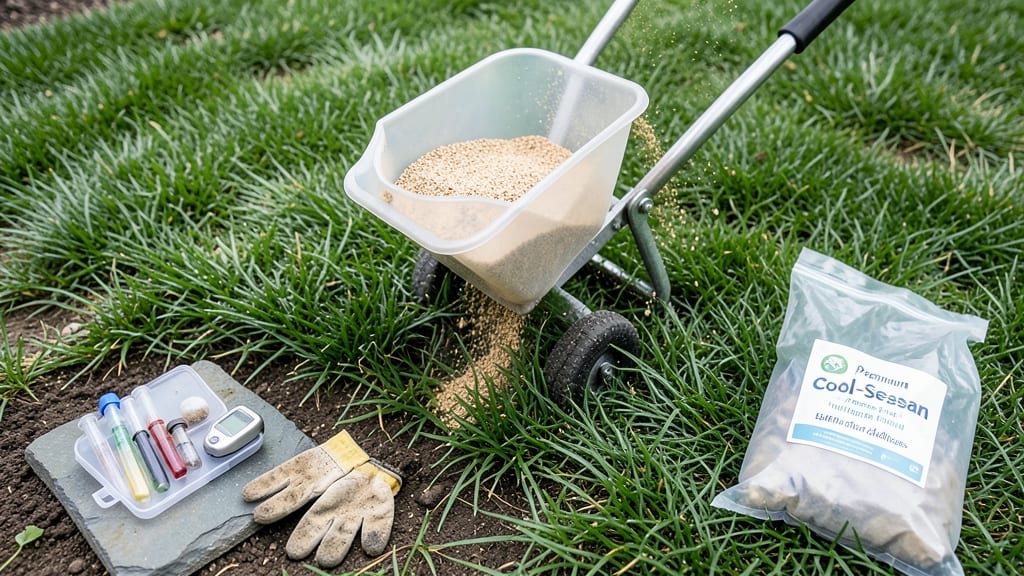
The best time to fertilize your lawn is in early spring and fall 🌱 — when your grass is primed for growth but not stressed by heat or drought.
Struggling with patchy, weak grass? Timing your lawn fertilization correctly can make the difference between a lush, green yard and one that struggles to stay vibrant—here’s the science-backed schedule you need.
Spring feeds your lawn just as it wakes from dormancy, while fall prepares it for winter. But the wrong timing can burn roots or waste fertilizer. I’ll walk you through the exact months to apply, how to adjust for your climate, and when to skip fertilizing entirely.
By the end, you’ll know not just when to fertilize, but how to do it for the thickest, healthiest lawn in the neighborhood.

Why spring and fall are the optimal times for lawn fertilization
If you’ve ever wondered why spring and fall dominate lawn care calendars, the answer lies in your grass’s biological rhythms. Grass grows most actively when temperatures hover between 60°F and 85°F, making these seasons the perfect window for fertilization.
Outside this range, nutrients can burn roots or get wasted—your wallet and lawn both suffer. The key is aligning fertilization with root growth cycles, not just surface appearance.
Cool-season grasses like Kentucky bluegrass and fescue thrive in spring and fall, while warm-season types such as Bermuda and Zoysia peak in summer but still benefit from fall prep.
Think of fertilization as a growth catalyst: in spring, it kickstarts recovery from winter dormancy, while fall strengthens roots for winter survival. Skipping these windows means missing the 60-70% of annual growth that happens during these months.
Here’s why timing matters so much: when you fertilize in extreme heat or cold, your grass struggles to absorb nutrients efficiently. In summer, high temperatures can cause fertilizer burn, while winter’s dormancy means wasted resources.
Even weed suppression works better in spring and fall—fertilizing now gives your grass the competitive edge it needs to outcompete crabgrass and clover.
Your climate zone plays a huge role too. Northern regions (USDA zones 3-6) should prioritize early spring (March-April) and late fall (September-October) applications, while southern zones (7-10) can shift slightly earlier (February-March) and later (October-November).
The goal is always the same: feed your grass when it’s actively growing, not when it’s stressed.
Let’s break down the science behind seasonal fertilization with this quick reference table to help you visualize the ideal timing for your lawn’s needs.
| Season | Grass Type | Optimal Months | Key Benefit |
|---|---|---|---|
| Spring | Cool-season | March-April | Stimulates early growth after dormancy |
| Spring | Warm-season | April-May | Prepares for summer heat stress |
| Fall | Cool-season | September-October | Strengthens root system for winter |
| Fall | Warm-season | August-September | Encourages late-season growth |
| Summer | Any | Avoid | Risk of fertilizer burn in heat |
| Winter | Any | Avoid | Grass is dormant; nutrients wasted |
Now that you see the seasonal breakdown, let’s dive deeper into why these windows work. In spring, your lawn emerges from dormancy with rapid root growth—this is when it craves nitrogen for leaf production. A slow-release fertilizer applied in early spring ensures steady nutrition without overwhelming young roots.
Meanwhile, fall fertilization focuses on root development, not top growth. This helps your grass store nutrients underground, where they’ll fuel recovery when winter arrives.
Regional adjustments matter too. In northern climates, where winters are harsh, prioritize late fall fertilization (October) to give roots time to absorb nutrients before freezing. Southern lawns, however, can benefit from an early spring boost (February-March) to outpace summer weeds.
Always check your last frost date—fertilizing too early in cold zones can lead to wasted nutrients if the grass isn’t actively growing yet.
One common misconception is that more fertilizer = better results. But over-fertilizing in the wrong season can actually weaken your lawn by promoting lush top growth while starving roots.
A balanced approach—like using a 16-4-8 NPK ratio in spring and a low-nitrogen blend in fall—ensures your grass gets the right nutrients without stress. Think of it like feeding your lawn a nutrient-rich salad, not a fast-food burger.
Pro tip: Pair your fertilization schedule with soil testing every 2-3 years. This tells you exactly what your lawn needs—whether it’s more phosphorus for root growth, potassium for disease resistance, or just a nitrogen kickstart.
Many local extension offices offer free or low-cost soil tests, making it easy to tailor your approach. When you align fertilization with your soil’s needs and your grass’s growth cycle, you’ll see thicker, greener results with less effort.
Remember, the goal isn’t just a pretty lawn—it’s a healthy, resilient ecosystem that can handle stress, drought, and pests. By fertilizing in spring and fall, you’re not just feeding your grass; you’re setting it up for long-term success.
So grab your spreader, check the forecast, and give your lawn the care it deserves during its most active growing windows. Your yard will thank you all year round. 🌱
Step-by-step fertilization schedule: spring vs. fall timing
Fertilizing your lawn at the wrong time can waste money and even harm your grass 🌱. The key is understanding how your grass type—whether cool-season (like Kentucky bluegrass) or warm-season (like Bermuda grass)—responds to temperature shifts.
Spring and fall are the golden windows because they align with your lawn’s natural growth cycles.
Before you grab that bag of fertilizer, test your soil’s pH level and nutrient balance. Most lawns thrive in a pH range of 6.0 to 7.0.
If your soil is too acidic or alkaline, adjust it 2-3 months before fertilizing. This ensures your grass can absorb nutrients efficiently once you apply them.
⏰ When Is the Best Time to Fertilize Your Lawn?
✅ Spring Fertilization (March-April)
- Pros: Boosts early growth, strengthens roots, prevents weeds
- Cons: Over-application can burn tender new shoots
✅ Fall Fertilization (September-October)
- Pros: Enhances winter hardiness, promotes deep root growth
- Cons: Late applications may not be absorbed before frost
⚠️ Avoid: Fertilizing in summer (heat stress) or winter (dormant grass).
For cool-season grasses, focus on early spring (March-April) and fall (September-October). Use a high-nitrogen fertilizer (like 24-0-6) in spring to fuel rapid growth, then switch to a balanced formula (like 16-4-8) in fall for root strengthening.
Water your lawn deeply after fertilizing—about 1 inch of water—to help nutrients penetrate the soil.
Warm-season grasses, however, prefer late spring (May) and early fall (August-September). Opt for a slow-release fertilizer with lower nitrogen (like 15-0-15) to prevent summer burn. After applying, raise your mower blade to 3 to 4 inches to reduce stress on the grass.
This height also shades the soil, helping retain moisture during hot months.
Timing isn’t the only factor—application rates matter too. Over-fertilizing can lead to brown patches or even kill your grass. Follow the 1 lb per 100 sqft rule for most lawns, and always calibrate your spreader for even distribution.
If you’re unsure, start with half the recommended dose and observe your lawn’s response for a week.
Post-fertilization care is just as critical as the timing itself. Avoid mowing for 24 to 48 hours after applying fertilizer to let the granules settle into the soil. If rain is forecast within 24 hours, delay your application to prevent runoff.
In both spring and fall, aim to fertilize on a cool, overcast day to minimize stress on your lawn.