
Fertilization
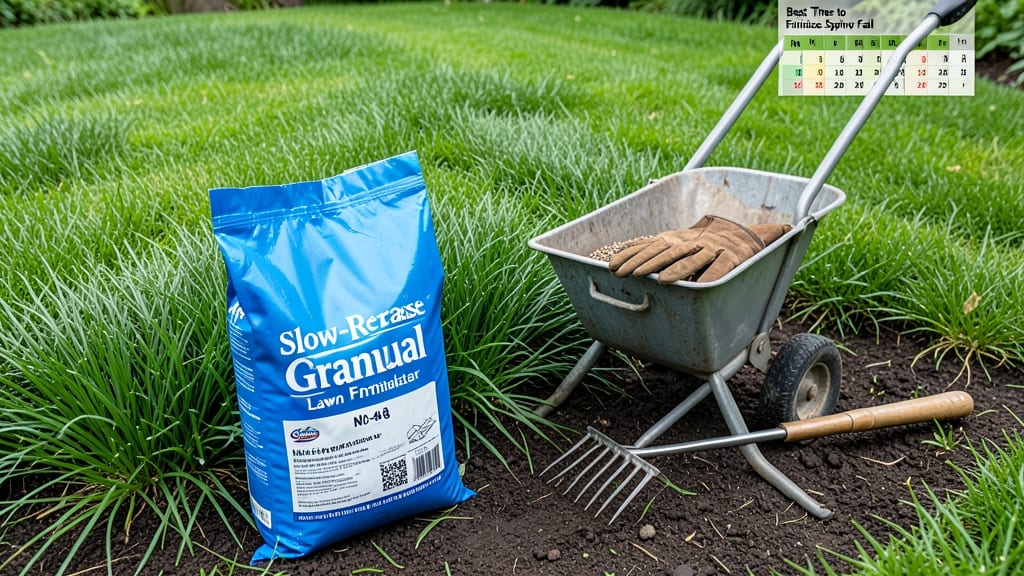
Seasonal fertilizing schedule: month-by-month best times for lawn growth
Timing your lawn fertilizer applications is just as critical as choosing the right product. Cool-season grasses (like Kentucky bluegrass and fescue) thrive with spring and fall feedings, while warm-season grasses (like Bermuda and Zoysia) peak in late spring and summer.
Your USDA hardiness zone also dictates adjustments—northern climates shift schedules earlier than southern regions.
For most lawns, the ideal fertilization window spans March to October, with strategic pauses during extreme heat or dormancy. Missing these windows can leave your grass weak, yellow, or prone to weeds. Let’s break down the month-by-month schedule tailored to your region and grass type.
| Season | Month | Cool-Season Grass | Warm-Season Grass | Notes |
|---|---|---|---|---|
| Spring | March | Early Feed (0.5 lb/100 sqft) | Light Feed (0.25 lb/100 sqft) | Northern zones: Wait until soil temps reach 50°F. |
| April | Full Feed (1 lb/100 sqft) | Full Feed (0.5 lb/100 sqft) | Southern zones: Apply by mid-April. | |
| Summer | June | Light Feed (0.25 lb/100 sqft) | Full Feed (0.5 lb/100 sqft) | Avoid fertilizing if temps exceed 85°F. |
| July | Skip (dormancy risk) | Light Feed (0.25 lb/100 sqft) | Water deeply after application. | |
| Fall | September | Full Feed (1 lb/100 sqft) | Light Feed (0.25 lb/100 sqft) | Critical for root strengthening before winter. |
| October | Early Feed (0.5 lb/100 sqft) | Skip (dormancy begins) | Northern zones: Stop by first frost. | |
| Winter | November | Skip (dormant) | Skip (dormant) | No fertilization until spring. |
| December | Skip (dormant) | Skip (dormant) | Use time for soil testing. |
In northern climates (USDA Zones 3–6), prioritize early spring (March–April) and early fall (September–October) feedings. Cool-season grasses like tall fescue benefit from a third feeding in late May to sustain summer vigor. Always wait until soil temperatures rise above 50°F to avoid shocking roots.
For southern climates (USDA Zones 7–10), shift focus to late spring (April–May) and early summer (June) for warm-season grasses. Bermuda grass, for example, thrives with monthly light feedings from May through September. Avoid fertilizing when daytime highs exceed 90°F to prevent fertilizer burn.
Pro tip: Soil testing before your first feeding ensures you’re addressing specific deficiencies. A pH of 6.0–7.0 is ideal for most grasses, but lime or sulfur amendments may be needed to adjust levels. Pair your fertilizer with 0.5 inches of water immediately after application to activate nutrients.
If you’re unsure about your grass type, perform a simple tug test: Pull a blade—if it leaves a white patch, it’s cool-season; if it’s green, it’s warm-season. This quick check helps tailor your schedule for optimal growth without over-fertilizing.
Remember, over-fertilizing is just as harmful as under-fertilizing. Stick to the 6–8 week intervals during active growth periods, and always follow up with proper watering. A well-timed feeding can boost your lawn’s density by up to 30
Signs your lawn needs fertilizer (and when to skip it)
Your lawn sends clear signals when it's hungry for nutrients. Yellowing patches, slow growth, or thin, patchy areas are classic red flags that your grass isn’t getting enough nitrogen or essential micronutrients.
These signs often appear in late spring or early fall, when grass is actively growing but soil nutrients may be depleted. Before reaching for fertilizer, though, consider whether the issue could be water stress, disease, or compaction—all of which can mimic nutrient deficiencies.
Another clue is weed invasion. When your lawn is weak, weeds like dandelions or clover move in, thriving where grass struggles. If you notice more weeds than green blades, your lawn might need a nutrient boost to outcompete them naturally.
However, don’t fertilize if weeds are already dominant—this could fuel their growth too. Instead, address the root cause first.
🌱
When to Fertilize Your Lawn
Pros
- 🌱 Early Spring: Promotes new growth after winter dormancy.
- ☀️ Late Spring: Supports rapid recovery post-winter stress.
- 🍂 Early Fall: Strengthens root systems before winter.
- 💧 After Rain: Ensures nutrients penetrate soil effectively.
Cons
- 🌞 Avoid Summer: Risk of burning grass in extreme heat.
- 🌧️ Before Rain: Nutrients may wash away before absorption.
- ❄️ Winter Months: Grass is dormant and won’t use nutrients.
- 🌱 New Seedlings: Fertilizer can stunt growth or cause damage.
💡 Best Time: Apply fertilizer in early morning or late afternoon to avoid heat stress on grass blades.
Over-fertilizing is just as harmful as under-fertilizing. Brown patches, crispy grass tips, or excessive weed growth after applying fertilizer are classic signs you’ve overdone it. This often happens when grass is stressed by drought or extreme heat, making it vulnerable to fertilizer burn.
To prevent this, always follow the application rate on the fertilizer label and water deeply afterward to help nutrients absorb evenly.
Weather plays a critical role in deciding when to skip fertilizing. If your region is experiencing drought conditions, heavy rain, or extreme heat waves, hold off on fertilizing. Grass under stress can’t process nutrients efficiently, and excess fertilizer can leach into groundwater or burn delicate blades.
Instead, focus on deep watering and light mowing to reduce stress during these periods.
For cool-season grasses like Kentucky bluegrass or fescue, fertilize in early spring and early fall—these are the active growth periods. Warm-season grasses like Bermuda or Zoysia, on the other hand, thrive with late spring and summer applications, but avoid fertilizing when temps exceed 85°F to prevent damage.
Always match your fertilization schedule to your grass type and local climate.
🌿
If you’re unsure whether your lawn needs fertilizer, perform a simple soil test ($15–$20 at garden centers). This will reveal pH levels and nutrient deficiencies so you can target your fertilization strategy.
For example, a pH below 6.0 may require lime before adding fertilizer, while a high phosphorus level suggests you’ve over-fertilized in the past. When in doubt, less is more—start with a light application and monitor your lawn’s response.