
Lawn
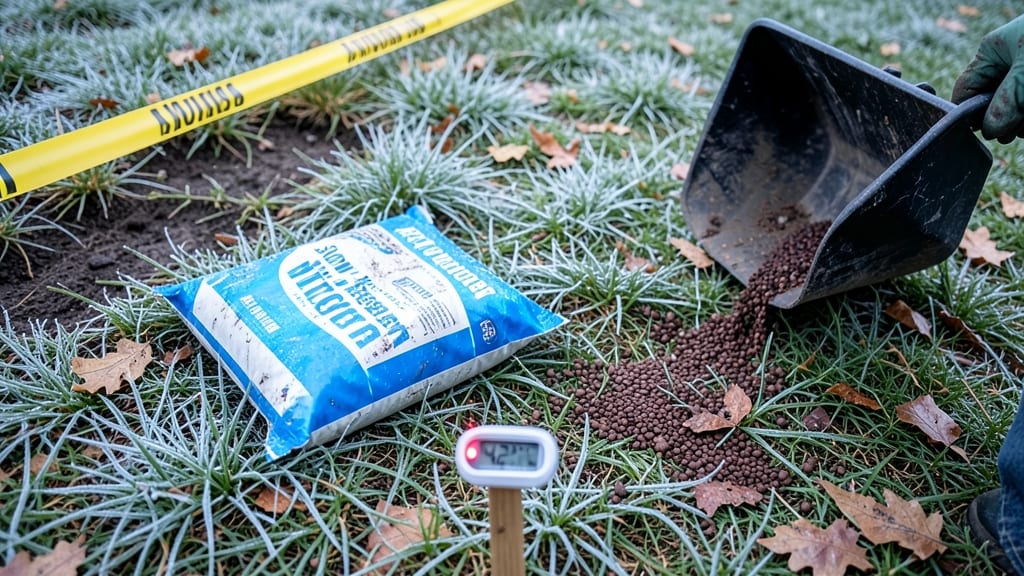
Fertilizing your lawn too late in the season can leave it weak, vulnerable to winter burn, or even invite weeds—so knowing the exact cutoff dates for your grass type is the key to a healthy spring.
Missed your lawn’s fall fertilization window? Don’t panic—knowing the exact cutoff dates for your grass type can still save your yard from winter damage or weak spring growth.
Timing matters more than you think, and these science-backed deadlines will help you decide whether to apply fertilizer now or wait until next season.
In USDA Zone 6, most cool-season grasses like fescue and bluegrass need their final feeding by mid-October, while warm-season types like Bermuda grass should stop by early September. Late applications can stress roots or promote late-season growth that won’t survive frost.
Below, I break down the exact deadlines by grass type, how to spot over-fertilization signs, and what to do if you’ve already missed this year’s window—so you can still set your lawn up for success.

Fall fertilization deadlines by grass type: exact cutoff dates to avoid winter burn
Fall fertilization is one of the most critical lawn care tasks, but timing is everything. Applying fertilizer too late can lead to winter burn, where grass blades die back before roots establish, leaving your lawn vulnerable to weeds and disease.
The exact cutoff dates depend on your grass type and climate zone, but most experts agree: stop fertilizing 6-8 weeks before the first frost. For USDA Zone 6 (like much of the Midwest), that typically means halting applications by late September to early October.
Cool-season grasses like fescue, ryegrass, and bluegrass thrive with late-season feeding, but pushing past the cutoff risks excess nitrogen uptake that prevents dormancy. Warm-season grasses like Bermuda, Zoysia, and St. Augustine should stop fertilizing even earlier—by mid-September in most regions—to avoid stress before winter.
Let’s break down the exact deadlines by grass type and how to adjust for your location.
For cool-season grasses in northern climates (Zones 3-7), the last fertilization window is typically late August to mid-September, with a hard cutoff by October 1-15. This timing ensures grass has time to absorb nutrients and harden off before winter.
In southern climates (Zones 8-10), you can push the window slightly later—up to early October—but still aim to finish by November 1 to avoid encouraging late-season growth that won’t survive mild winters.
Warm-season grasses like Bermuda and Zoysia are even more sensitive to late fertilization. In southern regions, stop feeding by mid-September to prevent stress before dormancy. In northern zones, where these grasses are less common, the window closes by early September.
The key is to let the grass go dormant naturally without the stress of new growth pushing through cold snaps.
If you’re unsure about your first frost date, check the National Weather Service or local agricultural extension office. A general rule is to count back 6-8 weeks from your average frost date and stop fertilizing by then.
For example, if your first frost is October 15, your last fertilization should be by late August to early September.
One common mistake is using a winterizer fertilizer too late in the season. These products are designed to release nutrients slowly, but even they can cause issues if applied within 4-6 weeks of frost.
If you’ve already missed the window, switch to a low-nitrogen organic amendment like compost or a slow-release fertilizer with minimal nitrogen to avoid harming your lawn.
Pro tip: If you’re in a transition zone (Zones 6-7), where winters can be unpredictable, err on the side of caution. A light application of fertilizer in early September
Signs your late fertilization is harming (or helping) your lawn right now
Applying fertilizer too close to winter can either strengthen your lawn’s roots or trigger dangerous late-season growth that freezes back. The key is understanding your grass type’s resilience window—how long it takes to absorb nutrients before dormancy sets in.
Cool-season grasses like Kentucky bluegrass and tall fescue can handle late feedings until mid-October in Zone 6, but warm-season types like Zoysia or Bermuda must stop by early September. If you missed the window, watch for these red flags that signal over-fertilization.
Late Fertilization: Harmful vs. Helpful Signs
HARMFUL SIGNS
- ⚠️ Yellowing patches (excess nitrogen)
- ⚠️ Brown, crispy edges (winter burn from late growth)
- ⚠️ Fungal growth (thatch buildup from overfeeding)
- ⚠️ Weed surges (stressed grass invites crabgrass)
- ⚠️ Slow recovery after frost (weakened roots)
HELPFUL SIGNS
- ✅ Deep green color (nutrient absorption before dormancy)
- ✅ Firm, resilient blades (root strengthening)
- ✅ Minimal thatch (balanced fertilization)
- ✅ Spring bounce-back (stored nutrients for regrowth)
- ✅ No fungal spots (healthy microbial balance)
If your lawn shows yellowing or browning within 2 weeks of late fertilization, flush the soil with 1 inch of water to leach excess nutrients. For fungal growth, spot-treat with a fungicide containing myclobutanil and avoid watering at night.
On the flip side, if your grass stays deep green and resilient through early winter, the late feeding likely helped. Focus on core aeration in spring to unlock stored nutrients for faster recovery.
For a quick assessment, grab a handful of grass and tug gently. If blades pull out easily, roots are weak from late fertilization. If they resist, your lawn is storing nutrients well for spring.
Remember: Winterizer fertilizers (high potassium) are safer for late applications, but even these should stop by 6 weeks before frost to prevent stress. Next month, we’ll cover spring recovery strategies for lawns that missed their fall window.