
Fertilization
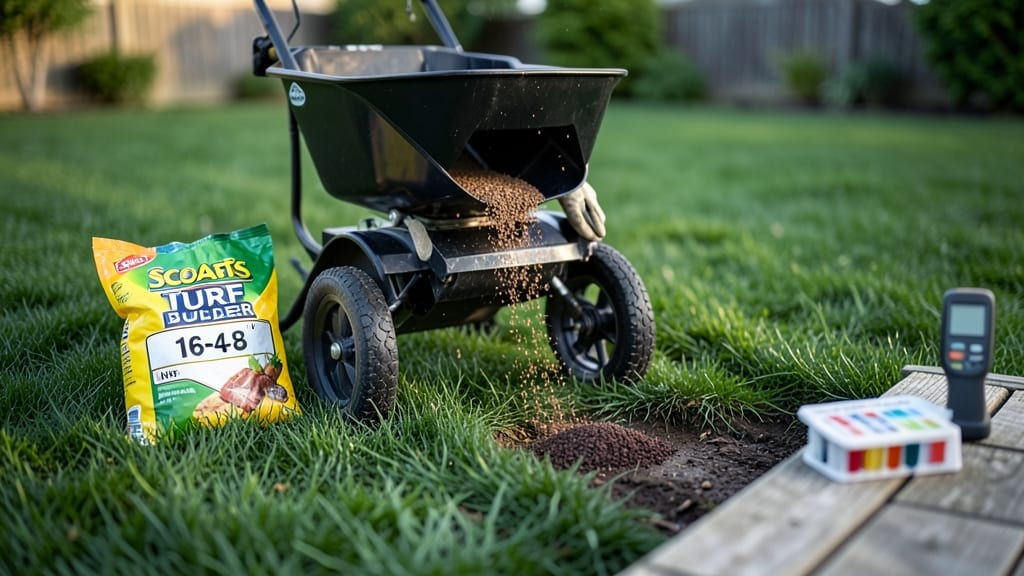
A good time to fertilize your lawn depends on your grass type and climate, with cool-season grasses benefiting most from early spring (after dormancy) and late summer applications, while warm-season grasses respond best to early spring and late fall feedings. Timing these applications with soil temperature ensures maximum nutrient uptake.
A good time to fertilize your lawn isn't one-size-fits-all—it's about matching your grass type to its natural growth cycle. 🌱 Cool-season grasses like Kentucky bluegrass and fescue wake up hungry in early spring, while warm-season types such as Bermuda and Zoysia need feeding when soil temperatures hit 65°F or higher.
I always check my local frost dates and adjust timing accordingly, as over-fertilizing before dormancy can stress the grass. For example, late summer applications for cool-season grasses help them store nutrients for winter survival.
Beyond seasons, soil conditions matter just as much. Fertilizer works best when soil temperatures are consistently above 55°F but below 85°F, and moisture levels are adequate.
A simple soil test can reveal if your lawn needs phosphorus for root growth or nitrogen for leafy top growth—this precision makes all the difference in results. I recommend testing in early spring before your first application to tailor your fertilizer blend perfectly.
💡 In This Article
- Seasonal Fertilization Guide by Grass Type
- Pre-Fertilization Soil and Weather Checklist
Seasonal fertilization guide by grass type
Cool-season grasses like Kentucky bluegrass and fescue enter their active growth phase when soil temperatures rise above 50°F in early spring, signaling their roots to absorb nutrients aggressively. This is why fertilizing right after dormancy—typically March to early May—gives them the energy boost they need for rapid spring green-up.
The key mechanism here is the grass's natural response to increasing daylight and soil warmth, which triggers cell division and nutrient uptake through root hairs.
Warm-season grasses, such as Bermuda and Zoysia, behave differently—they only wake up when soil temperatures hit 65°F or higher, usually in late spring or early summer. 🌱
For cool-season varieties, late summer fertilization (around 6-8 weeks before first frost) helps them store carbohydrates in their roots for winter survival—a process called "fall hardening." This timing ensures the grass can withstand freezing temperatures without turning brown.
In contrast, warm-season grasses should receive their final feeding in late fall (October to November) to strengthen roots before dormancy, even though their top growth slows down. The difference comes down to their biological clocks: cool-season grasses grow best in cooler months, while warm-season types thrive in heat.
Your local climate zone shifts these timelines dramatically. In the Northern U.S., where winters are harsh, cool-season grasses might get 4 applications per year (early spring, late spring, summer, and fall), while Southern regions with milder winters may only need 2-3 feedings.
Warm-season grasses in the South might get 3-4 applications spread from spring through fall. For example, Bermuda grass in Florida needs feeding when soil temps are above 65°F, which could be as early as February, while the same grass in Texas might wait until April.
What most people don't realize is how soil temperature affects nutrient availability. Fertilizer granules release nutrients slowly, but their effectiveness depends on microbial activity in the soil. When soil temps are below 55°F, microbes slow down, reducing nutrient conversion.
Above 85°F, nutrients can volatilize or leach away before the grass can use them. This is why I always check soil temps with a $20 soil thermometer before applying fertilizer—it's the difference between a lush lawn and wasted money. 🌡️
Consider these key factors when choosing your timing:
- Cool-season grasses: Early spring (after dormancy) + late summer (6-8 weeks before frost)
- Warm-season grasses: Early spring (when soil hits 65°F) + late fall (October-November)
- Climate adjustments: Northern regions add fall applications; Southern regions may split spring feedings
- Soil test results: Adjust nitrogen/phosphorus ratios based on your lawn's specific needs
Pro tip: If you're unsure about your grass type, dig up a small section of root—cool-season grasses have thin, fibrous roots, while warm-season types have thicker, deeper roots. This simple test can save you from mis-timing your entire fertilization schedule! 💡