
Pests
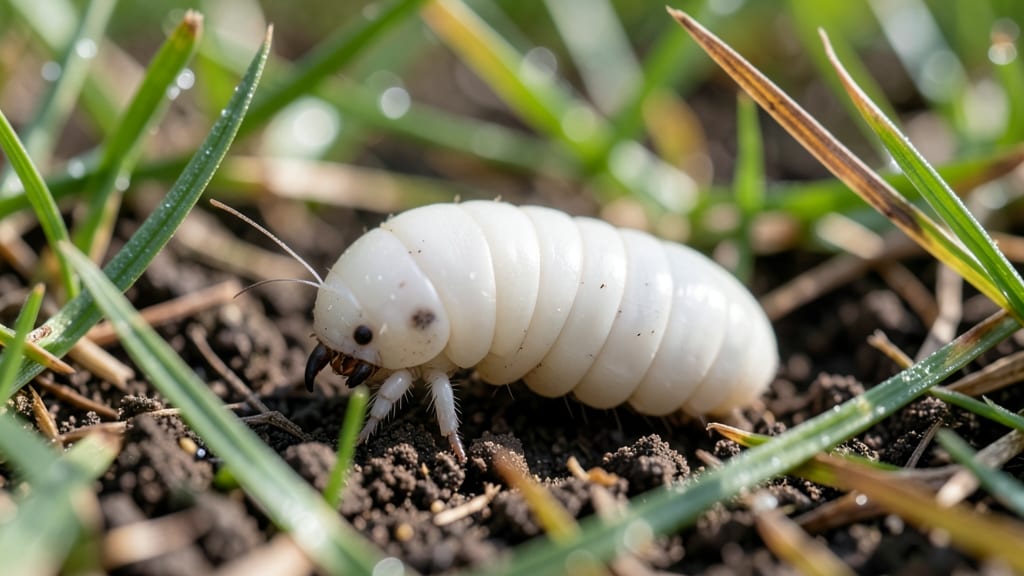
Grubs are silently turning your lawn into a patchwork of brown death traps. 🌱 I've seen healthy grass turn into spongy, mole-infested wastelands overnight—these creamy-white larvae chew through roots faster than you can say "lawn care." The damage starts small but spreads like wildfire when ignored.
Here's the kicker: you might not even notice them until your lawn feels like a trampoline underfoot. Grubs thrive in moist soil, munching on grass roots until entire patches pull up like sod.
And those "random" mole hills? Classic grub buffet signs. The good news? Catching them early means saving your lawn before it becomes a crunchy, uneven mess.
You'll spot them by lifting a small section of turf—if you see clusters of fat, C-shaped grubs, it's time to act. The fix starts with prevention (healthy lawns resist infestations) and moves to treatments like nematodes or milky spore.
We'll cover when to treat, how to spot them before damage spreads, and why overseeding is your secret weapon for recovery.
This isn't just about fixing brown spots—it's about rebuilding a lawn that stays thick, green, and resilient. The key is acting at the right time (late summer to early fall) and combining methods for long-term protection. Let's get your grass back in fighting shape.
The Hidden Culprits Behind Grub Damage
Grubs may seem like tiny, harmless creatures, but they’re actually the sneaky architects of lawn destruction. Understanding why they wreak havoc on your grass is the first step to stopping them.
Below, we break down the key reasons your lawn becomes a grub buffet—and how these pests turn your green space into a patchwork of brown.
---
Grubs thrive in moist, soft soil—think of it as their all-you-can-eat restaurant.
When lawns receive excessive watering (especially during warm months), the soil stays saturated, creating ideal conditions for: - Japanese beetle grubs (Popillia japonica) and European chafer grubs (Amphimallon majalis), which burrow just below the surface. - Masked chafer grubs (Cyclocephala spp.), which prefer damp, aerated soil where they can feast on roots undetected.
Why it matters: Overwatering doesn’t just keep grubs happy—it weakens grass roots, making them easier targets. A simple fix? Water deeply but infrequently (1–1.5 inches per week) to encourage deeper root growth and discourage grub populations.
---
Thatch—a layer of dead grass, roots, and debris between the soil and green blades—can reach ½ inch or thicker in neglected lawns.
This spongy layer: - Traps moisture, extending grub-friendly conditions. - Blocks natural predators (like birds and beetles) from reaching grubs. - Provides insulation, letting grubs survive winter and multiply faster.
The science: Grubs prefer the upper 2–4 inches of soil, where thatch meets roots. A thick thatch layer (over ½ inch) acts like a protective blanket, letting populations explode unchecked.
Actionable fix: - Dethatch in early spring or fall using a rake or vertical mower. - Aerate annually to break up compacted layers and improve drainage.
---
Healthy grass has strong, fibrous roots that deter grubs.
But when grass is stressed—due to: - Poor soil nutrition (low nitrogen or organic matter). - Compacted soil (from foot traffic or heavy equipment). - Disease or pests (like fungal infections or chinch bugs)— grubs see it as an easy meal.
The grub advantage: Weak roots = easier tunneling. Grubs chew through tender roots, severing the grass’s lifeline to nutrients and water. Within weeks, patches turn brown and spongy (the classic "sod webworm" look, though grubs are often the real culprits).
Boost defenses: - Test soil and amend with compost or slow-release fertilizer. - Overseed thin areas in fall to thicken grass density. - Avoid heavy foot traffic on damp lawns to prevent compaction.
---
Grubs follow a predictable life cycle, and warm seasons are their peak activity period: 1. Adult beetles emerge in late spring/early summer, lay eggs in soil. 2. Eggs hatch in 10–14 days (June–July), releasing larvae (grubs) that feed for 8–10 weeks.
3. Grubs pupate in fall, overwintering as dormant larvae before repeating the cycle.
Why timing matters: - June–August is when grubs are most active and damaging. - Southern lawns see year-round activity, while northern regions have a fall resurgence before winter.
Pro tip: 💡 Monitor adult beetles (Japanese beetles, June bugs) in summer—seeing them means grubs are already hatching below!
--- In a balanced ecosystem, grubs face threats from: - Birds (robins, grackles, and starlings dig them up). - Predatory beetles (ground beetles and soldier beetles). - Parasitic wasps (lay eggs inside grubs, killing them). - Moles and skunks (digging up grubs disrupts lawns but controls populations).
The problem: - Overuse of broad-spectrum pesticides kills beneficial insects along with pests. - Urban/suburban lawns lack biodiversity, reducing predator populations.
Encourage balance: - Plant native grasses to support predator habitats. - Avoid chemical overkill—opt for targeted grub treatments. - Leave leaf litter in garden edges to attract ground beetles.
--- High-nitrogen fertilizers (especially quick-release types) create a grub buffet by: - Stimulating tender, fast-growing grass—grubs’ favorite snack. - Increasing soil moisture retention, extending grub-friendly conditions. - Disrupting soil microbes, weakening grass resilience.
The data: Studies show lawns fertilized with high nitrogen in summer see 30–50% more grub damage than those fertilized in fall or spring.
Smart fertilizing: - Use slow-release or organic fertilizers (like compost or alfalfa meal). - Apply in early spring or fall (avoid summer spikes). - Follow label rates—more isn’t better for your lawn or your wallet.
Quick Fixes for Grub Damage
Grubs may seem like a tiny nuisance, but their damage can spread fast—leaving your lawn looking patchy, brown, and weak. The good news? You can take action now to stop them in their tracks.
Below, we’ve broken down the best solutions based on the cause of your grub problem, from mild infestations to full-blown lawn destruction. Plus, we’ll share prevention tips to keep grubs from returning next season.
---
Before jumping into treatments, make sure grubs are actually the culprit. How? - Dig up a small patch of lawn (about 6 inches square) and flip the sod. - Look for white, C-shaped larvae (grubs) in the soil. - If you see squirrels, skunks, or raccoons digging, they’re likely after grubs—another sign of an infestation.
> ⚠️ Pro Tip: If grubs are present but your lawn is still green, act now before damage worsens. If large patches are already dead, you may need to repair and prevent simultaneously.
---
#### 👨🍳 Mild Infestation (Early Signs) If you’ve only spotted a few grubs or small brown patches, try these low-effort fixes:
- 🔥 Handpick & Dispose - After watering (grubs rise to the surface), collect them by hand with a trowel or gloved fingers. - Drop them into soapy water to kill them instantly. - Best for: Small lawns or spot treatments.
- 🌱 Encourage Natural Predators - Birds (like robins and starlings) love grubs—leave seed or suet out to attract them. - Beneficial nematodes (microscopic worms) hunt grubs naturally. Apply in early evening when soil is moist. - Toads & ground beetles also eat grubs—avoid pesticides to keep them around.
- 💡 Organic Grub Control - Milky spore powder (a natural bacteria) can be sprinkled on lawns—it spreads over time and kills grubs. - Neem oil spray (reapply every 2–3 weeks) disrupts grub growth.
---
#### 🥘 Moderate Infestation (Visible Damage) If your lawn has large brown patches or animals are digging it up, you’ll need a stronger approach:
- 🔪 Chemical Treatments (Fast Action) - Imidacloprid or chlorantraniliprole granules (like Merit or Scotts GrubEx) are systemic—they kill grubs when they feed. - Apply in late summer/early fall (when grubs are young and vulnerable). - Water lightly after application to help granules sink into the soil.
- 🌡️ Heat or Solarization (For Small Lawns) - Cover infested areas with clear plastic sheeting for 4–6 weeks in hot sun. The heat kills grubs and eggs. - Works best in dry, sunny climates.
- 🎯 Repair Damaged Lawn - Rake out dead patches and reseeds with grub-resistant grass (like tall fescue or Kentucky bluegrass). - Top-dress with compost to help roots recover faster.
---
#### 🔪 Severe Infestation (Lawn is Dying) If your lawn is mostly brown, spongy, or being dug up by animals, you’ll need aggressive treatment + prevention:
- 🚜 Aerate & Overseed - Rent an aerator to loosen compacted soil, making it harder for grubs to hide. - Overseed with a mix of cool-season grasses and apply starter fertilizer.
- 🛡️ Barrier Treatments - Chlorpyrifos or trichlorfon (stronger chemicals) can be used only as a last resort—follow label instructions carefully. - Reapply in 3–4 weeks for full control.
- 🐿️ Animal-Proof Your Lawn - Install chicken wire or hardware cloth under damaged areas to block digging. - Motion-activated sprinklers can scare off raccoons and skunks.
---
Once you’ve kicked grubs out, keep them from coming back with these easy habits:
- 🌱 Maintain Healthy Soil - Aerate annually to reduce grub hiding spots. - Mow high (3–4 inches)—taller grass shades out grub-friendly weeds.
- 🚫 Avoid Overwatering - Grubs thrive in wet soil—water deeply but infrequently (1–1.5 inches per week).
- 🍂 Clean Up Debris - Remove thatched grass clippings and leaf litter where grubs lay eggs.
- 📅 Apply Preventative Treatments - Early summer (June–July) is when grubs hatch—apply nematodes or milky spore before they become a problem. - Fall (September–October) is another key time—use grub-specific granules before winter.
- 🐦 Encourage Wildlife - Leave some "wild" areas for birds, toads, and beetles to hunt grubs naturally.
---
If your lawn is beyond repair or you’re dealing with a large property, consider hiring a pest control expert. They can: - Test soil samples for grub levels. - Apply professional-grade treatments safely. - Recommend long-term lawn care plans.
--- Final Thought: Grubs don’t have to mean game over for your lawn—with the right steps, you can reverse damage and keep them away for good. Start with one or two methods based on your infestation level, and watch your lawn bounce back! 🌱💪
Frequently asked questions about grubs and lawn damage
How do I know if my lawn has grubs instead of other pests?
Look for these key signs: spongy patches that pull up easily (like sod), increased mole/vole activity, or birds digging in your yard. To confirm, flip a small section of turf—if you see white, C-shaped larvae (grubs) in the soil, that's your culprit. Unlike chinch bugs (which cause yellowing), grubs target roots, causing brown patches that feel soft underfoot.
Can grubs survive winter in my lawn?
Yes! Grubs enter a dormant state in fall and survive winter as overwintering larvae in the soil. They become active again in spring when temperatures rise. This is why fall treatments (like milky spore or nematodes) are so effective—they target grubs before they pupate. In colder climates, they burrow deeper (up to 6 inches), while southern lawns may see year-round activity.
Are there any natural ways to prevent grubs without chemicals?
Start with healthy lawn care: aerate annually, mow high (3-4 inches), and avoid overwatering. Plant native grasses (like tall fescue) that grubs dislike, and encourage predators by leaving leaf litter in garden edges. Beneficial nematodes (like Heterorhabditis bacteriophora) are chemical-free and hunt grubs naturally—apply them in early evening when soil is moist.
Why do I see more grub damage in some years than others?
Grub populations explode during wet summers (they thrive in moist soil) and when adult beetles (like Japanese beetles) have ideal breeding conditions. If you notice more beetles in summer, expect grubs to hatch in 6-8 weeks. Drought years may seem safer, but grubs actually survive longer in dry conditions by burrowing deeper. The key is seasonal timing—treat in late summer/early fall when grubs are young and vulnerable.
Will reseeding my lawn help after grub damage?
Yes! Reseeding repairs damage while thickening grass makes it harder for grubs to establish. Choose grub-resistant grasses like tall fescue or Kentucky bluegrass, and overseed in fall when conditions are ideal. For best results, aerate first to loosen compacted soil, then apply starter fertilizer to help new roots grow deep—grubs can't survive in dense, healthy turf.