
Lawn
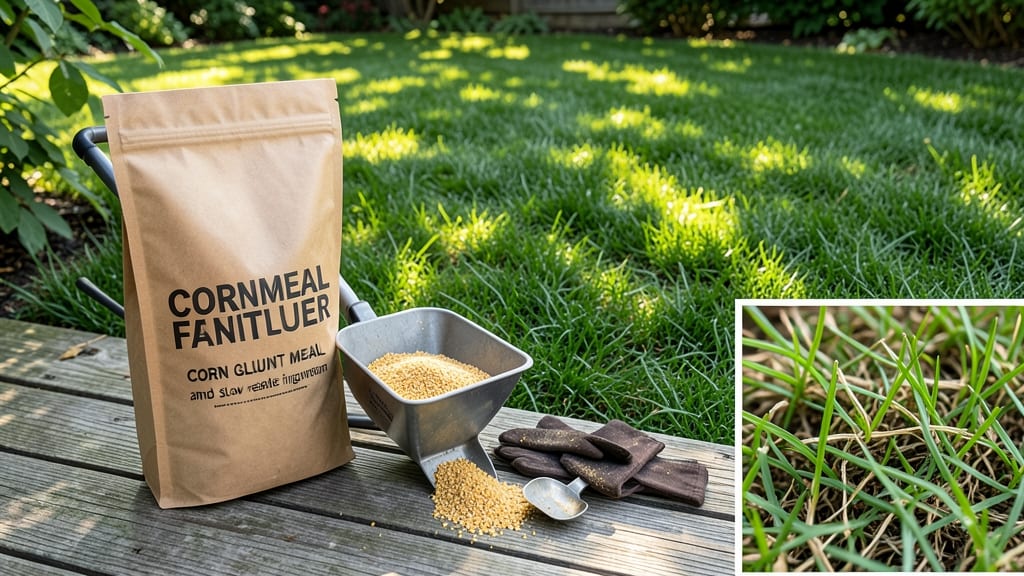
Using cornmeal on lawn has been a game-changer for my grub problem—no harsh chemicals, just a simple, natural solution that actually works. 🌱 The key is understanding how cornmeal disrupts grubs’ life cycle while feeding beneficial microbes in the soil, creating stronger grass roots over time. Most people assume it’s just a quick fix, but the real magic happens when you apply it correctly, at the right time of year.
You’ll need about 10 pounds of cornmeal per 1,000 square feet, a spreader (or even a broom for small areas), and a watering can. The process takes less than an hour, but the results—fewer brown patches, healthier grass, and fewer pests—last all season.
Unlike synthetic grubs, cornmeal works slowly, so consistency is key. Think of it as a long-term investment in your lawn’s health, not a one-time bandage.
What you’ll end up with is a lawn that’s thicker, greener, and more resilient to pests and drought. The grass roots grow deeper because the soil microbes thrive, and grubs struggle to survive in the improved environment.
It’s not instant, but by late summer, you’ll notice the difference in how your lawn recovers from foot traffic and heat. The best part? No harmful residues for kids or pets.
Works best in spring and early summer when grubs are most active, but you can apply it year-round for soil health. For stubborn infestations, combine it with milky spore or nematodes for extra protection. Here’s how to do it right—no guesswork, just proven results.
📚 In This Guide
- What you need
- Instructions
- Tips and common mistakes
- Wrapping up and next steps
What you need
- ● Cornmeal (fine-ground, not cornmeal for baking): Quantity: 10–20 lbs (depending on lawn size; ~1 lb per 100 sq ft). Specification: 100% yellow or white cornmeal (no additives like salt or sugar).
- ○ Broadcast spreader (optional but recommended): Type: Fertilizer or seed spreader (adjustable settings for even distribution). Capacity: Minimum 10–15 lb capacity to handle cornmeal volume.
- ● Garden hose with spray nozzle (for watering): Tip: Fine mist or gentle shower setting to avoid displacing cornmeal.
- ○ Gloves (optional but recommended): Type: Nitrile or rubber gloves to protect hands from dust.
Step-by-step instructions for applying cornmeal to your lawn
Here's how I use cornmeal to naturally control grubs while feeding my lawn—no harsh chemicals needed.
🌱 Step 1: Choose the Right Cornmeal and Timing
Not all cornmeal works equally. Grab 100% pure, fine-ground cornmeal—the kind used for cooking (no additives or preservatives). I apply it in early spring when grubs are small and most vulnerable, and again in late summer to prevent egg-laying. Avoid applying after heavy rain or when frost is forecasted.
Here's the thing—cornmeal works because grubs mistake it for food, but it only targets them when it's dry. If you apply it after rain, the cornmeal dissolves and loses effectiveness. I like to do this on a warm, dry morning when my lawn is already damp from dew but not wet.
🪴 Step 2: Spread Cornmeal Evenly Across the Lawn
Use a broadcast spreader set to the lightest setting—cornmeal is potent but needs to be thinly applied. I walk slowly in overlapping passes to ensure full coverage, focusing on areas with thin grass, brown patches, or where moles are active. A general rule: use about 1 pound per 100 square feet for grub control.
Don't rush this step. You'll see the cornmeal cling to grass blades and settle into the thatch layer. If you miss spots, grubs will survive there. I like to spread it in two directions—first lengthwise, then crosswise—to catch every square inch. After spreading, I gently rake the thatch layer to work the cornmeal deeper into the soil.
💧 Step 3: Water Lightly to Activate the Treatment
Wait 24 hours after application before watering. This gives the cornmeal time to settle into the soil where grubs feed. When you do water, use a light misting—just enough to moisten the top ½ inch of soil. Heavy watering washes the cornmeal away before grubs can ingest it.
I set my sprinkler to run for 10-15 minutes in the early morning. Watch for the soil to darken slightly—this means the cornmeal is activating. Avoid watering again for 48 hours after the initial mist. Cornmeal needs time to work its magic without being flushed out.
☀️ Step 4: Monitor for Results and Reapply as Needed
Grubs typically die within 3-5 days of ingestion. You'll notice fewer brown patches and healthier grass growth within 2-3 weeks. If you see moles or skunks digging up your lawn after treatment, it's a good sign—grubs are their favorite snack, and they're cleaning up the mess.
For ongoing control, I reapply cornmeal twice a year—once in spring and once in late summer. If your lawn has severe grub damage, you might need 3 applications spaced 4-6 weeks apart. Keep an eye out for birds pecking at the lawn or armadillos digging—these are signs grubs are still active.
⏰ Step 5: Boost Lawn Health with Optional Follow-Up
While cornmeal controls grubs, it doesn’t replace proper lawn care. After treatment, I aerate the lawn to help roots access the nutrients in the cornmeal. I also apply a thin layer of compost (about ¼ inch) to further strengthen grass roots and improve soil structure.
Real talk: Cornmeal works best on cool-season grasses like Kentucky bluegrass or fescue. If you have warm-season grass like Bermuda or Zoysia, you might need to combine cornmeal with beneficial nematodes for maximum grub control. Either way, your lawn will thank you for skipping the chemicals.
Tips & tricks for perfect cornmeal lawn application
These simple strategies will help you get the most out of your cornmeal treatment—and avoid common pitfalls that waste your effort.
Timing is Everything: The 24-hour waiting period before watering is crucial—don't rush it! Cornmeal needs this time to settle into the thatch layer where grubs feed. I've seen people water immediately after application, which completely defeats the purpose. Think of it like letting a cake batter rest before baking—patience pays off. For best results, apply in the morning so you can water the following day without rushing.
Spread Like a Pro: When using your broadcast spreader, walk in a grid pattern rather than random passes. This ensures even coverage, especially in those tricky corner areas. I mark my lawn with stakes at 10-foot intervals to create a visual guide. Also, don't forget to overlap your passes by about 6 inches—this prevents missed spots where grubs might survive. The 1 pound per 100 square feet guideline works perfectly if you're methodical about your coverage.
Watering Wisdom: That 10-15 minute light misting isn't just about duration—it's about technique. Use a sprinkler with a fine mist setting and move it slowly across the lawn. You want the soil to darken slightly, not become soggy. I test by pressing my finger into the soil after watering—it should feel moist but not wet. The 48-hour no-water rule is non-negotiable; this gives the cornmeal time to work before getting washed away.
Monitoring Made Easy: For tracking results, I keep a simple lawn journal with dates and observations. Note when you applied, when you watered, and any wildlife activity (like birds or moles). Grubs typically die within 3-5 days, but you might not see immediate changes. Look for subtle improvements like firmer grass blades and reduced thatch buildup before the brown patches disappear completely. This patience pays off—your lawn will show steady improvement over 2-3 weeks.
Pro Tips for Using Cornmeal On Lawn
- These simple strategies will help you get the most out of your cornmeal treatment—and avoid common pitfalls that waste your effort.
- Timing is Everything: The 24-hour waiting period before watering is crucial—don't rush it!
- Spread Like a Pro: When using your broadcast spreader, walk in a grid pattern rather than random passes.
Frequently asked questions
Is cornmeal safe for pets and children?
Yes! Cornmeal is a natural, non-toxic option for grub control. It won’t harm pets or kids once applied, but avoid letting them ingest large amounts directly from the bag. Always store it securely and rinse hands after handling. Pro tip: Apply after playtime to minimize accidental contact.
How long does it take to see results?
Results vary, but you’ll typically notice fewer grubs within 2–4 weeks of consistent application. For best results, apply every 4–6 weeks during grub season (spring to early summer). Patience is key—cornmeal works gradually to disrupt grub life cycles.
When is the best time to apply cornmeal?
Apply cornmeal in early spring or late summer when grubs are most active but before they cause major damage. Avoid applying after heavy rain or during drought—wait for mild, dry conditions to ensure even distribution and absorption.
Is cornmeal cheaper than chemical grub treatments?
Cornmeal is a budget-friendly alternative, costing pennies per application. While chemical treatments may offer faster results, cornmeal’s long-term benefits (soil health, organic matter) often make it the more economical choice over time.
What if my lawn still has grubs after using cornmeal?
If grubs persist, try a second application or combine cornmeal with milky spore powder (a natural bacterial treatment). For severe infestations, consider manual removal (with a grub fork) or professional inspection to rule out other pests like chinch bugs.
Wrapping up and next steps
Using cornmeal on your lawn is a natural, budget-friendly, and effective way to tackle grubs while nurturing your grass roots—no harsh chemicals required! 🌱 Whether you're dealing with pesky pests or simply want to boost soil health, this simple solution delivers big results with minimal effort.
Ready to give your lawn a healthier glow?
Your next step? Test a small patch of your yard to monitor results, then gradually apply cornmeal as part of your seasonal lawn care routine. Happy gardening—your grass will thank you! 🌟