
Lawn
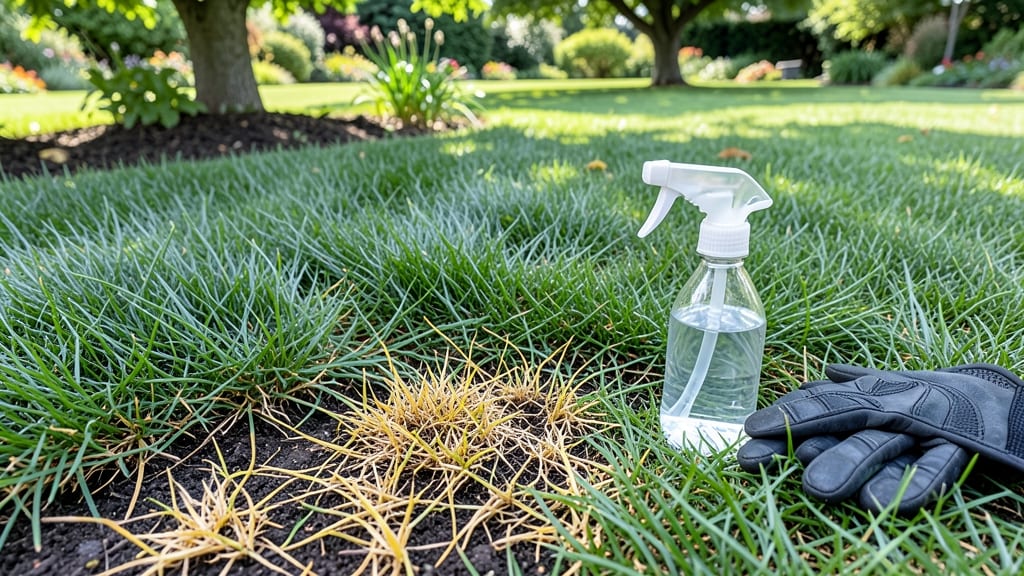
Removing urine stains from your lawn doesn’t have to mean chemical warfare. 🌱 I’ve saved my yard from those yellow eyesores using a simple vinegar and baking soda mix that actually works—no harsh products required. The key is acting fast and understanding why these stains happen in the first place.
Dog urine is packed with nitrogen, which burns grass instantly, leaving behind those ugly patches. Overwatering or compacted soil makes it worse. But the good news? A 1:1 vinegar-water spray followed by a baking soda sprinkle breaks down the ammonia while feeding your lawn—no more guessing which products to avoid.
Within 24 hours, you’ll see the yellow fade, and in a week, your grass will bounce back greener than ever. The best part? This method works on all lawn types, from tough Kentucky bluegrass to delicate fescue, without harming beneficial microbes in the soil.
For stubborn stains, repeat the treatment weekly until the lawn fully recovers. And here’s the secret: watering deeply after application helps the solution penetrate without shocking the roots. Your lawn will thank you—no more hiding those "problem" spots!
The Hidden Causes Behind Lawn Discoloration
Urine stains on your lawn aren’t just an eyesore—they’re a chemical reaction waiting to happen. Understanding the science behind why these patches form helps you tackle them effectively.
Let’s break down the key culprits, from the microscopic to the macroscopic, so you can restore your grass to its lush, green glory.
Urine is highly acidic (pH ~6.0–6.5) and contains nitrogen, ammonia, and urea, which break down into ammonium ions when absorbed into the soil. These compounds disrupt the natural pH balance of your lawn, often lowering it to 4.0–5.0—a range that’s toxic to most grass types.
- Ammonia burn: Fresh urine releases ammonia gas, which acts like a mild herbicide, killing grass blades on contact and leaving behind a crispy, yellowed patch.
- Nutrient overload: While urine provides nitrogen (a grass essential), the high concentration in small areas creates a "fertilizer burn," where roots struggle to absorb water and nutrients.
- Soil microbes suffer: Beneficial bacteria and fungi, which help decompose organic matter, die off in acidic conditions, further weakening grass health.
💡 Pro Tip: Test your soil’s pH with a DIY kit (available at garden centers). If it’s below 6.0, your lawn is vulnerable to urine damage—lime or compost can help neutralize it over time.
Not all grass stands up to urine’s harsh effects. Cool-season grasses (like Kentucky bluegrass or fescue) are more resilient, while warm-season grasses (such as Bermuda or Zoysia) are highly sensitive to ammonia and pH shifts.
| Grass Type | Urine Tolerance | Why It Struggles |
|---|---|---|
| Kentucky Bluegrass | Moderate | Recovers faster due to deep roots. |
| Bermuda Grass | Low | Shallow roots + thin blades = easy burn. |
| Fescue | High | Dense growth dilutes urine impact. |
| St. Augustine | Very Low | Thick blades trap moisture, worsening burn. |
✨ Actionable Fix: If you have a warm-season lawn, water immediately after pets relieve themselves to dilute the urine. For cool-season grasses, overseeding bare spots in fall can restore density.
Urine’s damage isn’t just chemical—it’s also about how quickly it’s absorbed. If your lawn is drought-stressed, compacted, or has poor drainage, urine sits longer on the surface, concentrating its harmful effects.
- Evaporation trap: In hot weather, urine dries into a crust, locking in ammonia and preventing grass from recovering.
- Compacted soil: Clay or heavily trafficked areas repel water, so urine pools instead of soaking in, amplifying burn.
- Shallow root systems: Young grass or newly seeded lawns can’t absorb nutrients fast enough, leading to permanent discoloration.
🔥 Quick Fix: After pets use the yard, give the area a light watering (½ inch) to rinse away excess ammonia. For compacted soil, aerate in fall to improve water penetration.
The number of pets, their diet, and hydration habits directly impact stain severity. Here’s how:
- Diet matters: Dogs on high-protein or raw diets produce more concentrated urine (higher nitrogen = worse burns).
- Water intake: Well-hydrated pets dilute urine, reducing damage. Dehydrated pets = stronger stains.
- Multiple pets: A single dog may leave a few spots, but three+ pets in one area create a chronic "pet zone" where grass never fully recovers.
🎯 Prevention Tip: Feed pets high-quality, balanced food and ensure fresh water is always available. For high-traffic areas, train pets to use a designated patch (like a mulch or gravel zone) and fertilize those spots with lime to offset acidity.
Temperature and rainfall play a surprising role in urine stain severity:
- Hot, dry conditions: Ammonia evaporates slower, baking into the grass and causing permanent yellowing.
- Cold weather: Grass grows slower, so urine damage lingers without recovery.
- Heavy rain: While it dilutes urine, frequent downpours can leach nutrients from the soil, weakening grass further.
🌡️ Seasonal Strategy:
- Spring/Fall: Grass recovers fastest—water + overseed to repair damage.
- Summer: Mulch high-traffic areas to protect soil moisture.
- Winter: Reduce pet time on lawns to avoid compounding damage.
Quick Fixes for Lawn Stains
Urine stains on your lawn can feel like a never-ending battle, but with the right approach, you can restore your grass to its lush, green glory.
The key is understanding the cause of the stain—whether it’s dog urine, human urine, or pet waste—and matching it with the most effective treatment. Below, we’ve broken down practical solutions tailored to the root of the problem, plus tips to keep your lawn looking pristine.
Dog urine is the most common culprit, thanks to its high nitrogen content, which burns grass and leaves yellow patches. Here’s how to tackle it:
1. 🍳 Flush with Water First
Before applying any treatment, dilute the urine to reduce its concentration. - How to do it: Use a hose to thoroughly soak the stained area for at least 10–15 minutes.
Repeat if the urine is fresh. - Why it works: Water helps neutralize the ammonia in urine, preventing further damage.
2. 👨🍳 Vinegar and Baking Soda Mix (Natural Solution)
A classic combo that breaks down urine residue without harming grass.
- How to do it:
- Mix 1 part white vinegar with 1 part water in a spray bottle.
- Spray generously over the stain, then sprinkle baking soda on top.
- Let it sit for 15–20 minutes, then rinse with water.
- Why it works: Vinegar neutralizes ammonia, while baking soda lifts stains and deodorizes.
3. 🌱 Overseed the Area
If the grass is already dead, revive it with new seeds.
- How to do it:
- Rake the dead grass gently to loosen soil.
- Sprinkle grass seed and a thin layer of topsoil.
- Water lightly daily until new grass sprouts (about 2–3 weeks).
- Pro tip: Choose a drought-resistant grass variety if your lawn is prone to stains.
Human urine is less acidic than dog urine but can still discolor grass over time. Here’s how to fix it:
1. ⏰ Immediate Water Rinse
Act fast—fresh human urine is easier to remove.
- How to do it: Soak the area with water for 5–10 minutes to dilute the urine.
- Why it works: Prevents ammonia buildup, which can kill grass roots.
2. 🔪 Hydrogen Peroxide Solution (Safe & Effective)
A mild bleach alternative that kills bacteria and lifts stains.
- How to do it:
- Mix 1 part 3% hydrogen peroxide with 2 parts water.
- Spray the solution over the stain and let it sit for 10 minutes.
- Rinse thoroughly with water.
- Caution: Avoid overusing—too much can bleach grass.
3. 🌡️ Fertilizer Boost for Recovery
Weakened grass needs extra nutrients to bounce back.
- How to do it: Apply a balanced lawn fertilizer (10-10-10 ratio) to the stained area.
- Pro tip: Water after fertilizing to help absorption.
An ounce of prevention is worth a pound of cure! Here’s how to keep your lawn stain-free:
- 💡 Train pets to use designated spots (like artificial turf or gravel).
- 🌡️ Water the lawn regularly—thick grass resists urine damage better.
- ✨ Use a urine-neutralizing spray (like Nature’s Miracle) after pets go.
- 🔥 Mow high (3–4 inches) to strengthen grass blades against burns.
Final Thought: With the right tools and a little consistency, urine stains don’t stand a chance. Try these methods, and your lawn will be back to its vibrant self in no time! 🌿✨
Frequently asked questions
Why does dog urine turn my lawn yellow?
Dog urine contains high levels of nitrogen and ammonia, which act like a mild herbicide when concentrated. The ammonia burns grass blades, killing them instantly and leaving behind those unsightly yellow patches. The nitrogen overload also disrupts soil microbes, preventing recovery until properly neutralized.
Will water alone remove urine stains from grass?
Water helps dilute fresh urine and prevents further damage, but it won't fully remove existing stains. For best results, combine water with a vinegar solution (1:1 ratio) or baking soda to neutralize ammonia. Rinse thoroughly after 15 minutes to avoid over-acidifying the soil.
How long does it take for grass to recover from urine damage?
With proper treatment, most grass shows improvement within 24-48 hours, but full recovery can take 2-4 weeks depending on grass type and weather. Cool-season grasses like fescue recover faster than warm-season varieties. For stubborn spots, overseed after treating to restore density.
Can I use bleach to remove urine stains?
Never use chlorine bleach—it will kill your grass permanently! For white fabrics or non-living areas, oxygen bleach (like OxiClean) is safer. On lawns, stick to hydrogen peroxide (3% solution diluted 1:2 with water) or natural methods like vinegar/baking soda for safe stain removal.
What's the best way to prevent future urine stains?
Train pets to use designated areas (like mulch or gravel patches), water heavily after accidents, and consider urine-neutralizing sprays. For high-risk lawns, overseed with drought-resistant grass varieties that tolerate nitrogen better. Mowing high (3-4 inches) also helps strengthen grass blades against burns.