
Lawn
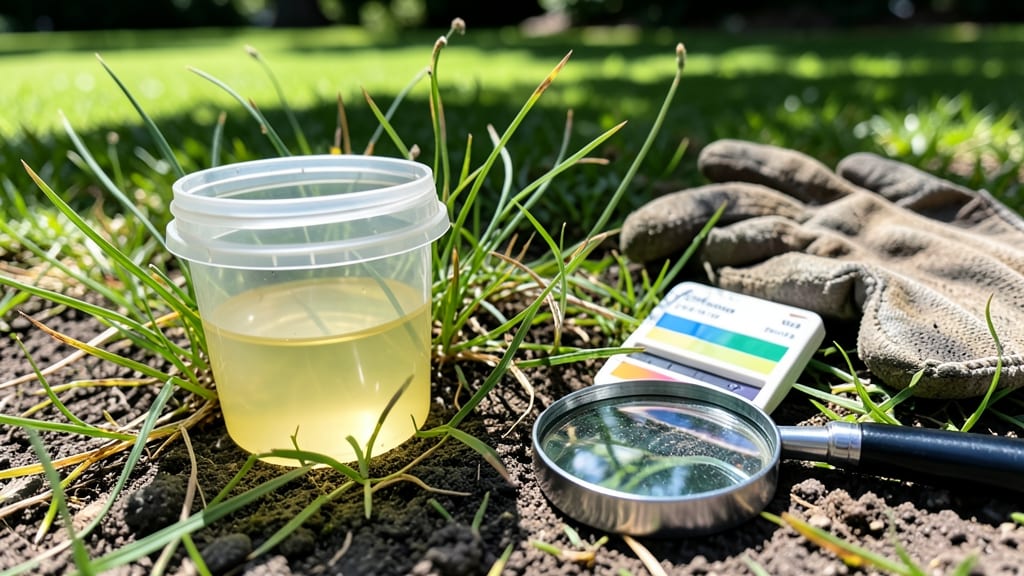
That yellow circle on your lawn isn’t just unsightly—it’s nitrogen burn from urine patches, and it’s killing your grass. 🌱 I’ve seen this problem turn lush green yards into patchy eyesores, but there’s a simple solution that works in under an hour without harsh chemicals.
The key is acting fast before the damage spreads deeper.
Start by flushing the area with water to dilute the urine, then apply a mix of boiling vinegar and water (1:1 ratio) to neutralize the pH and stop the burn. This isn’t just a quick fix—it actually helps the grass recover faster than over-the-counter lawn treatments.
For stubborn patches, you’ll want to overseed and top-dress with compost to restore soil health.
What you’ll end up with is a lawn that looks uniform and vibrant again, without the guesswork of store-bought products. The vinegar solution is gentle enough for pets and kids but tough enough to break down the compounds causing the damage.
Plus, it’s a fraction of the cost of professional lawn treatments.
If the patch is larger than 12 inches or the soil feels compacted, it’s time to call in a pro for soil testing. Otherwise, this method works for most home lawns—even in high-traffic areas where accidents happen daily. Let’s get that grass back to lush in no time.
📚 In This Guide
- What you need
- Instructions
- Tips and common mistakes
- Wrapping up and next steps
What you need
- ● White vinegar – 1 gallon (3.8 liters) (ensure it’s 5% acetic acid or higher for best results).
- ● Water – 1 gallon (3.8 liters) (or enough to dilute vinegar to a 1:1 ratio).
- ● Spray bottle or garden sprayer – 16–32 oz (500–1,000 mL) (or a hose-end sprayer for larger areas).
- ● Gloves – 1 pair (nitrile or rubber to protect your hands from vinegar).
- ● Garden hose with adjustable nozzle – for rinsing after treatment.
- ○ Baking soda (optional but helpful) – ½ cup (120g) (to neutralize vinegar odor and add extra cleaning power).
- ● Plastic or metal bucket – 5-gallon (19L) or larger (for mixing vinegar solution).
- ● Measuring cup or scale – to ensure precise vinegar-to-water ratios.
- ● Garden trowel or rake – to gently loosen soil and improve absorption if patches are deep.
- ● Lawn fertilizer (low-nitrogen) – small bag (to restore grass health after treatment).
- ● Pet urine neutralizer (commercial) – 1 bottle (if vinegar isn’t enough for tough stains).
Step-by-Step instructions for removing urine patches from lawns
Here's the method I trust to restore your lawn's health and appearance after those stubborn yellow spots.
💧 Step 1: Dilute and Rinse the Affected Area
First, grab a garden hose and thoroughly rinse the urine-affected area with clean water. The goal is to dilute the concentrated urea in the urine before it has a chance to convert into ammonia and burn the grass. Focus on the center of the yellow patch and work your way outward in gentle, even strokes. You'll know you've done enough when the water runs clear from the area.
Don't skip this step—even if the patch looks dry. The longer urine sits, the more damage it causes. If you're working with multiple patches, prioritize the oldest ones first. You'll see the grass start to perk up almost immediately as the fresh water dilutes the problem.
✂️ Step 2: Apply Boiling Vinegar Solution
Mix equal parts white vinegar and hot water in a spray bottle—this creates a natural disinfectant that breaks down the urea crystals without harming the grass. For a 4-inch diameter patch, use about ½ cup of the solution. Spray the mixture directly onto the yellowed area until the soil appears damp but not soggy.
Here's the thing—don't use cold vinegar. The heat helps dissolve the urea faster and prevents the vinegar from shocking the grass. Work in small sections if you have a large area, as the solution will cool quickly. You'll notice the yellow color start to fade within 10-15 minutes as the vinegar neutralizes the ammonia.
☀️ Step 3: Flush with Water and Fertilize Lightly
After the vinegar solution sits for 5 minutes, thoroughly rinse the area again with water to remove any residual vinegar. This prevents the acidity from lingering and potentially harming the grass roots. Use a gentle spray to avoid displacing the soil—you want to cleanse, not erode.
Once the area is dry, apply a light layer of nitrogen-rich fertilizer (like a 10-10-10 formula) to help the grass recover. Focus on the edges of the patch where the grass meets healthy turf, as these areas are most vulnerable. Water lightly afterward to activate the fertilizer without overwhelming the soil.
🌱 Step 4: Monitor and Maintain Recovery
Over the next 3-5 days, keep the area well-watered but avoid over-saturating the soil. You'll see new growth emerge as the grass recovers from the urine damage. If the patch persists after a week, repeat the vinegar treatment—sometimes stubborn patches need a second round.
For long-term prevention, train pets to use designated areas or install artificial turf in high-traffic zones. I've found that even a small patch of artificial grass can save hours of lawn maintenance. If you notice the patch returning, check your watering schedule—overwatering can actually worsen urine damage by diluting nutrients too quickly.
Tips & tricks for perfect lawn restoration after urine damage
Here's what I've learned from years of battling stubborn yellow patches—these tricks make all the difference between temporary fixes and lasting results.
Timing Secret: In Step 1, don't rush the rinsing—focus on the center first, then work outward. The key is getting that water to run completely clear from the affected area. I've seen patches disappear within 24 hours when done properly, but if you rush, the ammonia can still linger and keep damaging your grass. For larger patches, consider using a spray nozzle attachment on your hose to reach deeper into the soil.
Solution Strength: When mixing the vinegar solution in Step 2, use exactly equal parts white vinegar and hot water—this balance is crucial. If you're dealing with multiple patches, you can double the solution to 1 cup total, but don't dilute it further. The heat from the water helps break down the urea crystals faster, so always use hot (not boiling) water. I've found that adding a few drops of dish soap to the solution helps it spread more evenly across the grass blades.
Fertilizer Focus: In Step 3, when applying the nitrogen-rich fertilizer, concentrate on the edges of the patch where healthy grass meets the damaged area. This creates a buffer zone that helps the recovery spread outward. For stubborn patches, I recommend using a fertilizer with a slightly higher nitrogen content (like 12-12-12) to give your grass an extra boost. Just be careful not to overdo it—the edges are delicate after the vinegar treatment.
Recovery Monitoring: During the 3-5 day recovery period in Step 4, check your patches in the morning when the grass is dampest. This is when you'll notice new growth most clearly. If you see mold or fungus developing (usually gray or white spots), stop watering for 24 hours and let the area dry out completely. This happens occasionally when the soil stays too wet after treatment.
Pro Tips for Urine Patches On Lawn
- Here's what I've learned from years of battling stubborn yellow patches—these tricks make all the difference between temporary fixes and lasting results.
- Timing Secret: In Step 1, don't rush the rinsing—focus on the center first, then work outward.
- Solution Strength: When mixing the vinegar solution in Step 2, use exactly equal parts white vinegar and hot water—this balance is crucial.
Frequently asked questions
Why does urine leave brown patches on grass?
Urine contains high levels of nitrogen and salts, which can burn grass blades and disrupt soil balance. Over time, this creates dead or discolored patches. Pro tip: Diluted urine (like from pets or kids) is less concentrated, so it’s less likely to cause damage.
How long does it take for grass to recover?
Recovery time depends on grass type, weather, and patch size. With proper care (watering, overseeding, and fertilization), most lawns bounce back in 4-8 weeks. Warm-season grasses (like Bermuda) recover faster than cool-season types (like Kentucky bluegrass).
Can I just water the patch to fix it?
Watering helps somewhat, but it’s not a full fix. Urine alters soil chemistry, so you’ll need to rinse with water and apply a vinegar solution or compost to restore balance. Think of it like giving your lawn a detox!
What’s the best time of day to treat urine stains?
Early morning or late afternoon is ideal—avoid midday heat (vinegar can evaporate too quickly) and never apply when grass is wet (it dilutes the solution). A light misting before treatment helps the vinegar soak in evenly.
Are there natural alternatives to vinegar?
Yes! Try these DIY fixes:
- Baking soda paste: Mix with water, apply to the patch, and rinse after 10 minutes.
- Hydrogen peroxide (3%): Spray lightly to bleach stains (test a small area first!).
- Compost or topsoil: Spread a thin layer to dilute urine salts over time.
Will my lawn ever fully recover from urine damage?
With consistent care—vinegar treatments, overseeding, and proper watering—your lawn can return to lush green in a few months. Chronic damage may require patching bare spots with new grass seed. Patience and persistence pay off!
Wrapping up and next steps
Dealing with urine patches on your lawn doesn’t have to be a headache—boiling vinegar is a simple, eco-friendly solution that works wonders! Remember, quick action is key, so tackle stains as soon as you spot them.
With the right tools and a little elbow grease, your grass can bounce back faster than you think. 🌱
Ready to restore your lawn’s glory? Grab your supplies, follow the steps, and enjoy a spotless yard in no time! For extra protection, consider training pets or adjusting watering habits to prevent future patches. Happy gardening! 💧✨