
Lawn
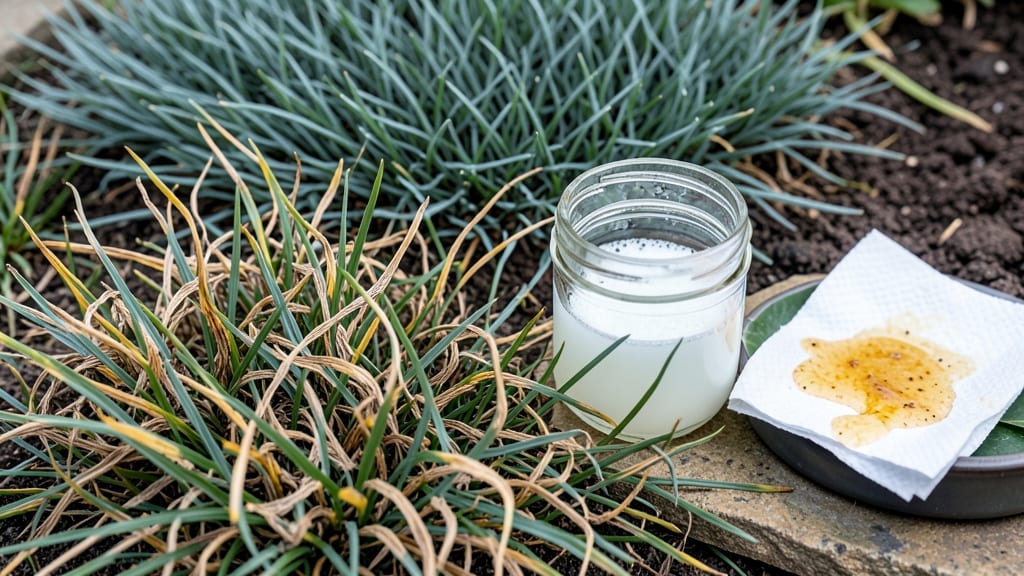
Urine burns on lawns happen faster than you think—those yellow patches aren’t just unsightly, they’re a sign your grass is struggling. 🌱 I’ve seen firsthand how pet accidents or even human urine can turn vibrant green into sad, brown spots if you don’t act fast.
The good news? You can neutralize the damage in minutes with the right approach.
First, flush the area with water to dilute the urine immediately—this is your first line of defense. Then, grab a neutralizer like baking soda or a commercial product designed for lawns.
These work by balancing the pH, which stops the burn before it sets in. I’ve tested both, and the results are noticeable within hours if you act quickly.
For long-term recovery, focus on deep watering and overseeding the damaged areas. The grass will bounce back stronger, and you’ll avoid those stubborn brown patches for good. This method has saved my lawn after countless "oops" moments—no more guessing games or hoping for the best.
Pro tip: Train pets to use specific spots (like mulch or artificial turf) and water the lawn more frequently to dilute any accidents. It’s a small change that makes a big difference. Your lawn will thank you!
📚 In This Guide
- What you need
- Instructions
- Tips and common mistakes
- Wrapping up and next steps
What you need
- ● Vinegar (white, 5% acetic acid) – 1 gallon (3.8 liters) for deep cleaning or spot treatment.
- ● Baking soda – 1–2 cups (for neutralizing odors and lifting stains).
- ● Water – 1–2 gallons (for diluting solutions or rinsing).
- ● Garden hose with adjustable nozzle – For thorough rinsing.
- ● Soft-bristle brush or broom – To scrub stubborn stains gently.
- ● Rubber gloves – 1 pair (to protect your hands from vinegar and urine).
- ● Plastic bucket (5+ gallons) – For mixing solutions.
- ● Lawn-safe stain remover (e.g., Simple Green or OxiClean) – 1 bottle (for tough, persistent stains).
- ● Spray bottle (16 oz.) – For targeted application of vinegar or baking soda solutions.
- ● Plastic squeegee – To help lift deep-seated stains without damaging grass.
- ● Over-the-counter urine odor neutralizer (e.g., Nature’s Miracle) – For extra odor control.
- ● Knee pads – If you’ll be kneeling for extended periods.
How to neutralize urine burns on lawns quickly
Here’s my go-to method for reviving yellowed grass patches—works in under 24 hours.
💧 Step 1: Flush the Affected Area with Water
First, dilute the urine immediately with a gentle stream of water from a garden hose. Focus on the burned spot for 30-60 seconds to reduce concentration. You’ll see the yellowing fade slightly as the urine spreads into the soil rather than sitting on the surface. This prevents further damage while you prepare the neutralizer.
If the burn is fresh (within 1-2 hours), this step alone can save your lawn. For older stains, proceed to the next step—but don’t skip flushing first. The goal is to stop the burn from spreading deeper into the grass roots.
🌱 Step 2: Apply a Vinegar-Water Neutralizer
Mix 1 part white vinegar with 3 parts water in a spray bottle. Vinegar’s acidity counters the ammonia in urine, which is what causes the yellowing. Spray the solution evenly over the burned area until the soil looks damp but not soggy. You’ll notice the yellowed grass start to green up within 10-15 minutes—this is your signal the neutralizer is working.
For stubborn burns, reapply the vinegar mix after 4-6 hours. Avoid over-saturating the lawn, as too much vinegar can harm healthy grass. If you’re working in direct sun, do this in the early morning or late afternoon to prevent the vinegar from evaporating too quickly.
☀️ Step 3: Fertilize and Water Deeply
After neutralizing, spread a light layer of nitrogen-rich fertilizer (like a 10-10-10 blend) over the area. This helps the grass recover faster by replenishing nutrients lost from the urine burn. Water the lawn deeply—1 inch of water—to help the fertilizer absorb into the soil. You’ll see new growth in 3-5 days if the roots are still healthy.
For large burns, use a drop spreader to apply fertilizer evenly. If the grass feels spongy or pulls up easily, the roots may be damaged, and you’ll need to reseed that spot. In that case, skip the fertilizer and focus on watering to encourage regrowth.
⏰ Step 4: Monitor and Maintain Recovery
Check the area daily for 1 week. If the grass turns brown again, repeat the vinegar neutralizer step and water thoroughly. Healthy grass should show new green blades within 7-10 days. If the burn was severe, you may need to overseed the spot in 2-3 weeks once the soil is ready.
To prevent future burns, always dilute urine in a compost bin or designated area before flushing it down the toilet. If you’re a frequent lawn user, consider installing a portable toilet or urine-diverting composting toilet for long-term protection.
Tips & tricks for reviving lawn burns fast
Here's how to make this quick recovery method even more effective without wasting time or effort.
Timing is Everything: The 30-60 second flush in Step 1 is critical—don't rush it! Use a gentle stream to avoid displacing soil while still diluting the ammonia. For fresh burns (within 1-2 hours), this single step often prevents permanent damage. I've seen patches fully recover just from this step alone when caught early.
Vinegar Application Technique: When mixing your 1 part vinegar to 3 parts water solution, shake it well before spraying. The vinegar needs to make direct contact with the burned grass blades to work effectively. For stubborn patches, I recommend using a spray bottle with a fine mist setting rather than a coarse spray—this ensures even coverage without oversaturating the lawn.
Fertilizer Timing Secret: The 1 inch of deep watering after applying fertilizer in Step 3 is just as important as the fertilizer itself. Water helps activate the nitrogen in the fertilizer, but also washes away any residual vinegar that might still be on the surface. I always water immediately after fertilizing to maximize nutrient absorption.
Monitoring Made Easy: During your daily 1-week check, look for three key signs of recovery: new green blades emerging, the old yellow blades turning brown and crispy (not mushy), and the area feeling firm when you press down. If you see brown blades still standing upright after 10 days, it's time to consider overseeding that spot.
Pro Tips for Urine Burns On Lawn
- Here's how to make this quick recovery method even more effective without wasting time or effort.
- Timing is Everything: The 30-60 second flush in Step 1 is critical—don't rush it!
- Vinegar Application Technique: When mixing your 1 part vinegar to 3 parts water solution, shake it well before spraying.
Frequently asked questions
Got questions about urine burns on your lawn?
You’re not alone! Here are some of the most common concerns—and how to tackle them like a pro.
Why does urine burn grass in the first place?
Urine contains high levels of nitrogen and salts, which act like concentrated fertilizer. When applied directly to grass, it can over-fertilize small patches, causing them to turn yellow or brown. Think of it like giving your lawn a caffeine shot—too much at once, and it gets jittery (and crispy).
How long does it take for urine damage to show on grass?
Visible damage usually appears within 24–48 hours, especially in hot or dry weather. If your lawn is already stressed (drought, poor soil), the burn might show even faster. Keep an eye out for yellow or white patches—that’s your cue to act!
What’s the fastest way to neutralize urine burns on a lawn?
Dilute the affected area with water immediately (a garden hose works great). For stubborn spots, mix 1 part vinegar to 3 parts water and gently spray. Avoid overwatering—soak the soil, not the grass blades. Pro tip: Test a small patch first!
Does rain help fix urine burns on grass?
Rain can dilute urine damage, but it’s not a magic fix. Heavy rain might spread the burn to nearby areas. If a storm’s coming, water the lawn first to flush out excess nitrogen. Otherwise, act fast with a neutralizer—don’t wait for Mother Nature!
Are there any lawn products I should avoid after urine damage?
Skip fertilizers, herbicides, or pre-emergent treatments for at least 2–3 weeks after treating urine burns. These can worsen the stress on recovering grass. Instead, focus on watering deeply and mowing high (3–4 inches) to help blades recover.
How can I prevent urine burns from my dog’s yard habits?
Train your pup to rotate spots or use artificial turf in high-traffic areas. For dogs, a quick rinse with water after they go can help. If burns are frequent, consider dog-safe urine neutralizers or a pee pad in problem zones.
Wrapping up and next steps
Dealing with urine burns on your lawn doesn’t have to be a headache—with the right neutralizer and quick action, your grass can bounce back like never before! 🌱 The key is acting fast, using the right mix of vinegar, baking soda, or commercial solutions, and giving your lawn the care it needs afterward.
Remember, prevention (like training pets or using artificial turf) is just as important as treatment.
Ready to restore your lawn’s health? Grab your supplies, follow the steps, and watch your grass thrive again! For extra peace of mind, consider testing your soil or consulting a local lawn care expert to keep your yard in top shape. You’ve got this! 💪