
Pruning
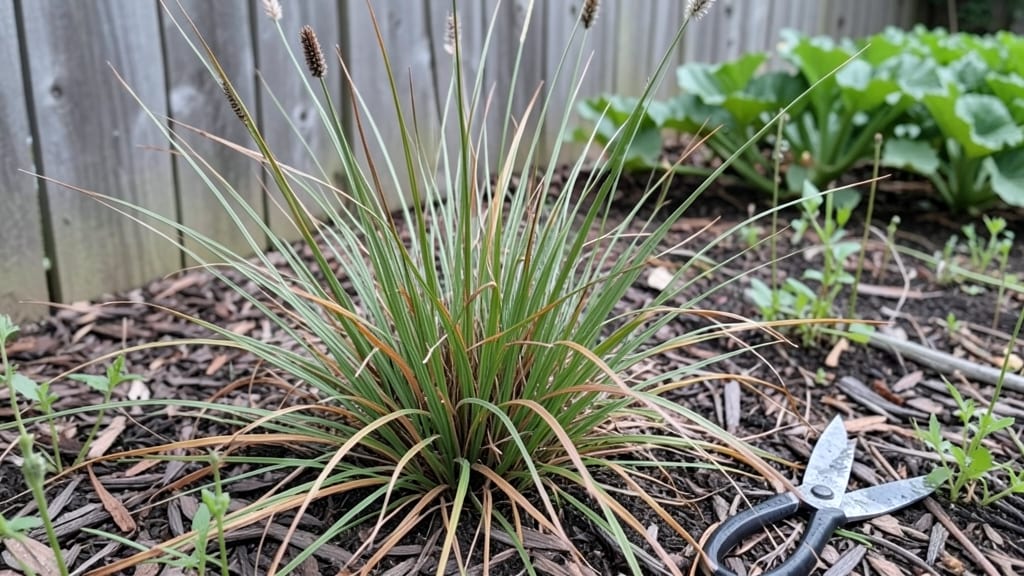
Trimming fountain grass isn't just about keeping it tidy—it's the secret to those full, bushy plumes that make your garden pop. ✨ I learned the hard way that skipping this step leads to leggy, sparse growth, but once I mastered the timing and technique, my plants transformed from scraggly to showstopping.
The key isn't just cutting back—it's understanding when and how to shape it for maximum impact.
You only need three basic tools: sharp pruning shears, heavy-duty gloves (those plumes pack a punch!), and a sturdy broom for cleanup. The real work happens in late winter or early spring, but I also do light touch-ups in summer to keep it looking polished.
Most people overlook the importance of cutting back into the old growth—this encourages fresh, vibrant new shoots that fill out the plant beautifully.
After trimming, you'll notice something magical: those dense, velvety plumes emerge within weeks, and the plant takes on a neat, rounded shape that stands out in any landscape. The best part?
Proper trimming extends the plant's life, keeps pests at bay, and makes it easier to manage year after year. Ready to give your fountain grass the makeover it deserves?
Works for all varieties—whether you've got Pennisetum alopecuroides or Pennisetum 'Hameln'. The principles stay the same, so you can apply this to any fountain grass in your collection. Let's get those shears ready!
📚 In This Guide
- What you need
- Instructions
- Tips and common mistakes
- Wrapping up and next steps
What you need
- ● Pruning shears or hedge clippers – Choose bypass-style (sharp blades, 6-8" long) for clean cuts. Required for all trimming.
- ● Heavy-duty gloves – Opt for gardening gloves with reinforced palms (size medium/large) to protect against sharp blades and thorns.
- ○ Loppers (optional but helpful) – 8-12" bypass loppers for thicker stems (if your grass grows over 3 feet tall).
- ● Pruning saw (rarely needed) – Only if dealing with woody, overgrown bases (use a curved blade saw for precision).
- ● Rake or leaf blower – Bow rake (8-12" teeth) to clear debris post-trim. A leaf blower speeds up cleanup!
- ● String trimmer (weed whacker) – For shaping edges (use a low-profile nylon line to avoid damaging foliage).
- ● Garden hose with nozzle – For rinsing blades and wetting grass before trimming (reduces dust).
- ● Choose the right time – Trim in early spring (March-April) or late summer (August-September) for best regrowth.
- ● Check the weather – Avoid trimming if rain is forecasted within 24 hours (wet grass mats down and invites rot).
- ● Water the grass 1-2 days prior – Deep watering (1 inch) ensures it’s hydrated and resilient.
- ● Clear the area – Remove rocks, toys, or debris from the workspace to avoid accidents.
- ● Fungicide spray – Copper-based fungicide if your grass has signs of brown patches or powdery mildew.
- ● Garden kneeler – For comfortable access to low-growing bases.
- ● Pruning oil or rubbing alcohol – To sterilize tools between cuts and prevent disease spread.
- ● Mulch or compost – Shredded leaves or grass clippings to mulch the base after trimming for added nutrients.
Step-by-Step instructions for trimming fountain grass year-round
Here's the method I've perfected for keeping fountain grass lush and full—no more straggly clumps or bare centers.
✂️ Step 1: Time Your First Cut for Peak Seasonal Growth
Trim fountain grass in late spring when new growth emerges—usually 4-6 weeks after the last frost. You'll see fresh, bright green shoots pushing through the old clumps. This is the moment that matters: cutting too early removes last year's protective growth, while waiting too long sacrifices the plant's natural shape.
Use sharp, clean pruners or shears to avoid tearing the blades. I like to make the first cut 3-4 inches above the ground, which encourages dense regrowth from the base. Avoid cutting below this point—it exposes the crown and risks damaging the plant's center.
✂️ Step 2: Shape Gradually Throughout the Growing Season
Fountain grass needs 2-3 light trims during the growing season to maintain its form. After the initial spring cut, wait until the grass grows 6-8 inches tall before trimming again. You'll notice the blades starting to arch outward—this is your signal to shape it back into a tight, rounded form.
I always trim one-third of the plant's height at a time, never more. For example, if the grass is 12 inches tall, cut it back to 8 inches. This prevents shock and keeps the plant's energy focused on regrowth rather than recovery. Avoid cutting into the hard, woody stems—these won't regrow.
✂️ Step 3: Clean Up After the Growing Season
In late fall, after the grass turns golden brown but before the first hard frost, give it a final trim. Cut back the entire plant to 2-3 inches above the ground. This removes dead growth and prevents disease or pests from overwintering in the thatch. You'll see the plant's natural structure more clearly once the old blades are gone.
Leave the trimmed clippings in place or compost them—they'll break down naturally and return nutrients to the soil. Avoid raking up every last bit, as some debris helps insulate the crown during winter. This final cut ensures a fresh start in spring with minimal cleanup.
✂️ Step 4: Revive and Reshape in Early Spring
Once spring arrives, check for any brown, woody stems that didn't die back naturally. Use pruners to remove these dead sections at the base, making clean cuts just above healthy growth. You'll see fresh green shoots emerging from the center—this is the plant's way of telling you it's ready for another growing season.
Lightly shape the grass into its characteristic fountain form by trimming any straggly or overgrown sections. Avoid heavy pruning now—focus on refining the shape rather than reducing size. A light touch now prevents the need for drastic cuts later in the season.
Tips & tricks for perfect fountain grass trimming
Mastering fountain grass care means understanding the subtle cues your plant gives—and how to respond without overdoing it. Here's what I've learned after years of perfecting this method.
The Growth Factor: Pay attention to the color shift in Step 1—bright green shoots indicate it's time for that first cut. If you see more than 50% old brown growth still attached, wait another week. The plant's natural rhythm matters more than rigid timelines. I've seen fountain grass recover beautifully from missed cuts, but never from over-trimming.
Tool Technique: Sharp pruners aren't just about clean cuts—they're about precision. Dull blades tear the grass fibers, creating jagged edges that invite disease. I always test my tools by making a clean cut through a newspaper—if it shreds, sharpen first. For large clumps, consider hedge shears for more control, especially when shaping in Step 2.
Seasonal Strategy: The late fall clean-up in Step 3 is your plant's winter preparation. Cutting back to 2-3 inches reveals the plant's natural structure—you'll notice how the grass grows in concentric circles from the center. This is your visual guide for shaping in early spring. I've found that plants trimmed this way bounce back faster in spring than those left too tall.
Recovery Insight: When reviving in early spring (Step 4), focus on removing only the dead brown stems—never cut into living tissue. The green shoots emerging from the center are your priority. I've seen fountain grass regrow from just 2 inches of healthy base, proving how resilient these plants can be when treated with care.
Pro Tips for Trim Fountain Grass
- Mastering fountain grass care means understanding the subtle cues your plant gives—and how to respond without overdoing it.
- The Growth Factor: Pay attention to the color shift in Step 1—bright green shoots indicate it's time for that first cut.
- Tool Technique: Sharp pruners aren't just about clean cuts—they're about precision.
Frequently asked questions
Got questions about keeping your fountain grass lush and healthy? Here’s what home gardeners often wonder—plus expert answers to help you prune like a pro!
When’s the best time to trim fountain grass?
The ideal time to trim is late winter or early spring, just as new growth begins. This encourages fuller, bushier clumps. Avoid heavy pruning in fall, as it can stress the plant before winter. If you notice leggy growth in summer, a light trim keeps it tidy without harming its vigor.
How often should I trim fountain grass?
For most varieties, twice a year is perfect: once in early spring and again in late summer. If your grass grows aggressively or looks overgrown, you can trim every 6–8 weeks. Listen to your plant—if it looks straggly or top-heavy, it’s time for a haircut!
Can I trim fountain grass in winter?
Light pruning in winter is okay if you’re removing dead or frost-damaged fronds, but avoid heavy cuts. Winter trims should be minimal to prevent stress. If your grass is dormant, skip major pruning—focus on clearing debris instead. A light trim in early spring will revive it beautifully!
What if my fountain grass won’t stay bushy after trimming?
If your grass stays sparse, check these fixes:
- Prune too low? Keep cuts at least 6 inches from the base to encourage regrowth.
- Lack of sunlight? Fountain grass thrives in full sun (6+ hours/day).
- Over-fertilizing? Use a balanced, slow-release fertilizer in spring.
- Pests or disease? Inspect for grubs, spider mites, or fungal spots—treat early!
Are there alternatives to manual trimming?
Yes! If manual trimming feels tedious, try these tools:
- Hedge shears for precise cuts (great for small patches).
- String trimmer (with caution!) for larger areas—keep the blade high to avoid damaging the crown.
- Pruning saw for thick, woody stems (rare in fountain grass but useful for older plants).
Wrapping up and next steps
Trimming fountain grass isn’t just about keeping it neat—it’s the secret to lush, vibrant growth all year long! 🌿 By mastering the right timing, tools, and techniques, you’ll transform your grass into a full, bushy masterpiece that thrives season after season.
Whether you’re a pruning pro or just starting out, every snip brings you closer to that showstopping look.
Ready to take the next step? Grab your shears, mark your calendar for your next trim, and watch your fountain grass flourish like never before. Your garden’s centerpiece is waiting—go make it shine! 🌟