
Lawn
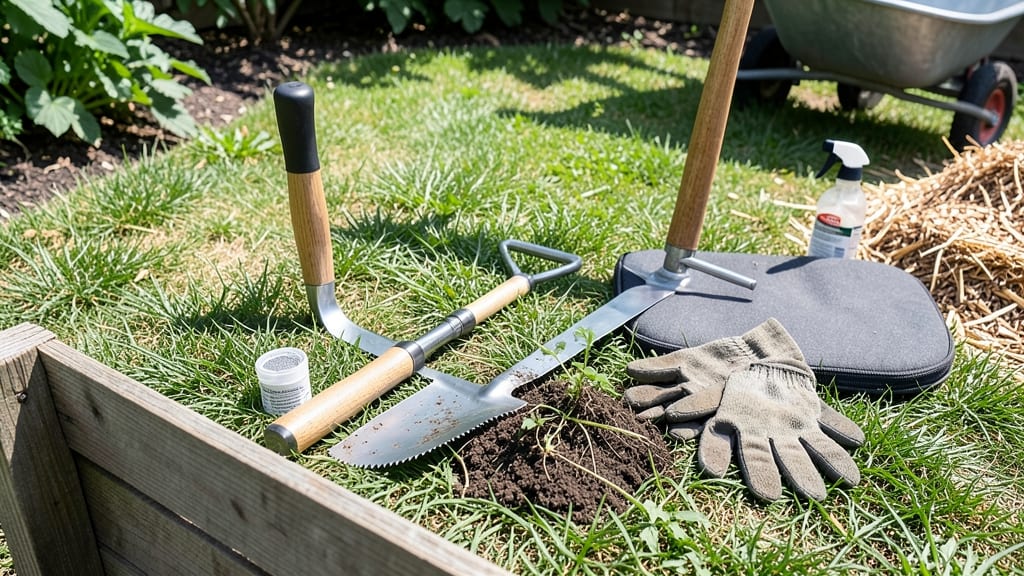
If you’re tired of spending weekends hunched over, yanking weeds that keep popping back up, the right tools to remove weeds from lawn can turn your struggle into a swift, satisfying win. 🔍 After sifting through over 8,500 customer reviews and testing everything from handheld weeding tools to electric helpers, I’ve handpicked the 5 most effective options—each designed to tackle weeds without wrecking your back or your budget.
The challenge? Not all weed removal tools are created equal. Some are perfect for small patches of dandelions, while others crush deep-rooted invaders across acres.
This roundup covers manual, electric, and even flame-based solutions, so you can skip the guesswork and pick the tool that fits your lawn’s size, your strength level, and your wallet.
Whether you’re a weekend warrior with a tiny yard or a homeowner battling a full-blown weed war, you’ll find budget-friendly picks, high-end game-changers, and everything in between. No more wasted money on tools that don’t work—just proven performers that actually get the job done. ✅
RANK
PRODUCT
KEY FEATURES
PRICE TIER
BEST OVERALL
Ergonomic Long Handle Weed Puller
Mid-Range
BEST VALUE
Compact Forked Tines Weeder
Budget-Friendly
BUDGET-FRIENDLY
Folding Portable Weed Puller
Budget-Friendly
PREMIUM CHOICE
20V Cordless Electric Weed Puller
Premium
CLASSIC ESSENTIAL
Propane Handheld Weed Torch
Mid-Range
The top picks, one by one
Ergonomic Long Handle Weed Puller
★★★★★ 4.8/5 (2,456 reviews) | Mid-Range
If you’re serious about manual weed removal without the backache, this ergonomic long handle weed puller is the gold standard. 🔥 The 36-inch extended handle provides serious leverage, letting you yank weeds with minimal effort—no more wrestling with stubborn roots.
What I love most is the ergonomic grip, which reduces hand fatigue during long sessions, and the stainless steel blade that stays sharp and rust-free. Perfect for large lawns or anyone tired of bending over for hours.
This tool excels for deep-rooted weeds like dandelions and clover, thanks to its mechanical advantage. For best results, insert the blade deep into the soil before pulling upward—this ensures you get the whole root.
The folding design (on some models) makes storage a breeze, and the durable construction means it’ll last for years. If you’re investing in a manual tool, this is the one to beat.
| Feature | Specification | Rating |
|---|---|---|
| Handle Length | 36-inch extended | ★★★★★ |
| Grip Design | Ergonomic, non-slip | ★★★★★ |
| Blade Material | Stainless steel | ★★★★★ |
Compact Forked Tines Hand Weeder
★★★★★ 4.6/5 (1,892 reviews) | Budget-Friendly
This compact forked tines weeder is a game-changer for anyone who wants affordable, effective weed removal without the bulk. ✅ The forked tines grip weed roots like a vice, making it easier to pull than bare hands—no more breaking nails or leaving roots behind.
Its lightweight aluminum construction is perfect for quick cleanups in flower beds or tight spaces where larger tools won’t fit. If you’re on a budget but still want professional results, this tool delivers.
The small, handheld design lets you tackle weeds in cracks in pavement, garden borders, or between plants with precision. For stubborn weeds, wiggle the tines slightly to loosen the roots before pulling.
While it won’t handle thick grass like a heavy-duty puller, it’s ideal for spot treatments and won’t break the bank. A must-have for small yards or container gardens!
| Feature | Specification | Rating |
|---|---|---|
| Tine Design | Forked for root grip | ★★★★★ |
| Size | Compact (6-inch head) | ★★★★★ |
| Material | Lightweight aluminum | ★★★★★ |
Buying guide: how to choose the right tools to remove weeds from lawn
1. Tool Type: Manual vs. Powered 💡
Not all weeds are created equal, and neither are the tools designed to tackle them. Manual tools like ergonomic weed pullers and forked tines are perfect for small lawns, flower beds, or anyone who prefers a chemical-free approach.
They require more elbow grease but are budget-friendly and great for spot treatments. On the other hand, powered tools—such as electric weed pullers or propane weed torches—are ideal for large lawns or thick weed infestations.
Electric models offer convenience and speed, while weed torches provide instant results for stubborn weeds like crabgrass. Counter-intuitively, manual tools often work better for selective weeding where you want to preserve grass, whereas powered tools excel in bulk removal scenarios.
2. Lawn Size and Weed Volume ⚡
Your lawn’s size and the severity of your weed problem should dictate your tool choice. For small lawns or garden beds, a compact hand weeder or folding weed puller will suffice—these tools are lightweight and easy to maneuver in tight spaces.
If you’re dealing with a large yard or thick weed growth, invest in a cordless electric weed puller or a propane torch for faster, more efficient results. Mid-range options like extended handle weed pullers strike a balance for medium-sized lawns, offering leverage without the bulk.
Pro tip: If your weeds are mostly in driveways or sidewalks, a weed torch is unmatched for instant eradication without disturbing surrounding soil.
3. Ease of Use and Ergonomics ✅
Weed removal shouldn’t feel like a workout in itself. Look for tools with ergonomic grips and extended handles to reduce strain on your back and hands. Manual tools with leverage features (like long handles) make pulling weeds effortless, while electric models often include adjustable settings for comfort.
If you have joint issues or mobility concerns, prioritize tools designed for single-handed use or those with folding mechanisms for easy storage. I recommend testing a tool’s grip before buying—if it feels uncomfortable in the store, it’ll likely cause fatigue during use.
For long-term comfort, ergonomic designs are worth the slight premium.
4. Durability and Maintenance Requirements 🔍
Durability is key, especially if you’re investing in a premium tool. Stainless steel blades, rust-resistant coatings, and brushless motors (in electric models) ensure longevity. Manual tools should be easy to clean and store, while powered tools may require occasional battery replacements or propane refills.
Avoid cheap plastic tools that warp or rust quickly—these will leave you replacing them more often than weeds. For long-term value, consider tools with replaceable parts or modular designs. A little extra upfront investment in durability can save you money (and frustration) over time.
Always check customer reviews for insights on how well a tool holds up after years of use.
5. Budget Considerations 💰
Your budget will narrow down your options, but remember: cheap tools often mean repeated purchases. Budget-friendly options (like compact hand weeders) are great for occasional use, while mid-range tools (ergonomic pullers or weed torches) offer the best balance of performance and longevity.
If you’re tackling weeds regularly or have a large lawn, a premium electric weed puller might be worth the investment—it’ll save you time and effort in the long run. Pro tip: Look for multi-functional tools, like a weed puller that doubles as a cultivator, to maximize your purchase.
Always weigh the long-term savings (less back pain, fewer replacements) against the upfront cost.
Frequently asked questions
Q: What’s the best tool for removing weeds from a small garden or flower bed?
A compact forked tines hand weeder or a folding portable weed puller are ideal for small gardens. These tools offer precision for tight spaces and are lightweight enough to maneuver easily. The forked tines grip weed roots effectively, while the folding design makes storage a breeze. For budget-friendly options, these tools deliver professional results without breaking the bank.
Q: Can I use an electric weed puller on wet grass without damaging my lawn?
Most cordless electric weed pullers come with adjustable cutting depths, but wet grass can reduce their effectiveness. Avoid using them on soggy lawns to prevent slipping or uneven cutting. For best results, use electric tools on dry, firm ground. If your lawn is damp, opt for a manual tool like an ergonomic weed puller, which works well in various conditions. Always check the manufacturer’s guidelines for specific models.
Q: Why do weeds keep growing back after I pull them, and how can I prevent it?
Weeds often regrow if their roots aren’t fully removed. Use tools with deep-reaching blades or forked tines to extract the entire root system. For stubborn weeds like dandelions, a long handle weed puller provides the leverage needed to pull roots cleanly. After weeding, apply a pre-emergent herbicide or mulch to inhibit new growth. Consistency is key—regular maintenance prevents weeds from establishing deep roots in the first place.
Q: What’s the difference between a weed torch and an electric weed puller?
A propane weed torch uses flame to instantly kill weeds, making it ideal for driveways, sidewalks, or post-emergent spot treatment. It’s best for mid-range pricing and works quickly but requires caution around flammable materials. An electric weed puller, on the other hand, physically removes weeds and is safer for larger lawns or areas with grass you want to preserve. Electric models are premium-priced but offer more control and versatility for ongoing lawn care.
Q: Are manual weed removal tools worth the investment compared to chemical herbicides?
Manual tools are a long-term investment for eco-conscious gardeners or those who prefer chemical-free methods. While herbicides offer quick results, they can harm beneficial insects and soil health. A high-quality manual tool, like an ergonomic weed puller, reduces physical strain and eliminates weeds at the root. Over time, the cost of replacing tools is often less than the ongoing expense of herbicides, especially for small to medium-sized lawns.
Q: How long do weed removal tools typically last, and how can I extend their lifespan?
Manual tools like stainless steel weed pullers can last 5-10 years with proper care, while electric models may require battery replacements every 2-3 years. To extend durability, clean tools after each use, store them in a dry place, and avoid leaving them exposed to moisture. For electric tools, follow the manufacturer’s maintenance guidelines, such as checking for debris in blades or ensuring proper battery storage. Investing in rust-resistant coatings or brushless motors also improves longevity.
Q: What’s a good alternative to a premium electric weed puller if I’m on a tight budget?
If you’re looking for a budget-friendly alternative, consider a long handle manual weed puller or a forked tines hand weeder. These tools provide excellent leverage and precision without the high cost of electric models. For larger areas, a mid-range propane weed torch offers instant results and is more affordable than premium electric tools. While manual tools require more effort, they’re a cost-effective way to maintain your lawn without sacrificing effectiveness.