
Lawn
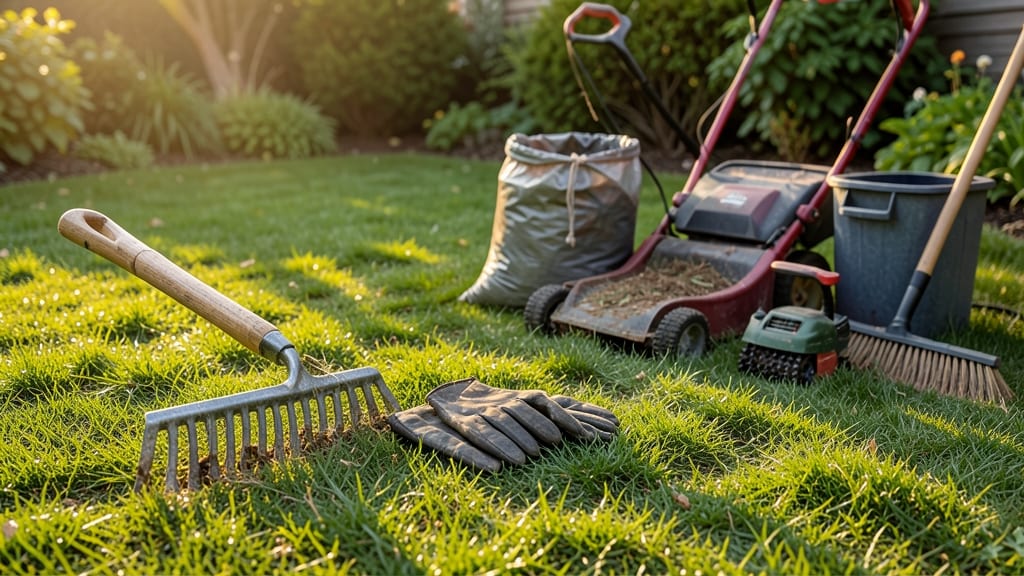
Spring lawn cleanup transforms your yard from a winter mess into a vibrant green carpet—the secret starts with removing every last leaf, branch, and twig before growth kicks in. 🌱 I’ve learned the hard way that skipping this step means compacted soil, smothered grass, and weeds seizing control before you even mow.
The best time? Right after your last frost, when soil is workable but before spring rains turn the yard into mud.
You’ll need basic tools: a sturdy rake (or leaf blower for big yards), a sharp lawn mower set to 3 inches, and gloves—trust me, twigs and thistles fight back.
Aerating afterward (with a core aerator or even a garden fork) lets air and water reach roots, while a light application of 10-0-10 fertilizer jumpstarts growth. The payoff? Grass that greens up 2-3 weeks faster than neglected lawns, with fewer weeds and stronger roots to handle summer heat.
What you’ll end up with is a lawn that looks like it belongs in a postcard—not just after spring, but all season long. The key is consistency: tackle debris weekly until growth outpaces it, then shift to mowing and feeding.
Even brown patches will bounce back when you give grass a clean start. This works for any yard size, from small suburban plots to half-acre fields. The only real mistake? Waiting until summer to start. Let’s get that lawn ready for prime time!
📚 In This Guide
- What you need
- Instructions
- Tips and common mistakes
- Wrapping up and next steps
What you need
- ● Rake: Bow rake (for large debris) + leaf rake (for fine twigs/leaves) – 1-2 each
- ● Lawn mower: Sharp blades (adjust height to 2–3 inches for spring growth)
- ● Trimmer/edger: String trimmer (for edges) + weed trimmer (for thick grass)
- ● Garden gloves: Heavy-duty, cut-resistant (1 pair)
- ● Garden bags: Heavy-duty contractor bags (5–10 gallon size, 2–4 bags)
- ● Broom: Stiff-bristle push broom (for driveway/walkway cleanup)
- ● Pruners: Bypass pruners (for trimming dead branches)
- ○ Soil aerator (optional): Manual or powered core aerator (if compacted soil is an issue)
- ○ Post-hole digger (optional): For removing stubborn roots or debris
- ● Leaf blower: Saves time for large yards
- ● Wheelbarrow: For hauling debris efficiently
- ● Lawn fertilizer: Slow-release, spring-specific (check NPK ratio for your grass type)
- ● Mulching mower: If you want to recycle clippings back into the lawn
- ● Knee pads: For comfort during extended raking
- ● Safety gear: Eye protection, earplugs (if using loud equipment)
Step-by-step instructions for spring lawn cleanup
Here’s how to tackle your lawn cleanup like a pro—no missed spots, no wasted effort.
🪴 Step 1: Gather Your Tools and Safety Gear
Start by collecting everything you’ll need: a sturdy rake (bow rakes work best for large areas), a lawn bag or tarp (to collect debris), gloves (heavy-duty ones protect against thorns and rough edges), and safety glasses (especially if you’re dealing with sharp debris like broken branches). I always grab a broom too—it’s perfect for sweeping up fine debris from walkways and edges.
Check your tools before you begin. A dull rake will make cleanup twice as hard, so sharpen the tines if needed. If you’re using a tarp, lay it out flat so you can easily dump debris into it without spilling. Pro tip: A small handheld leaf blower can save your back for larger lawns—just be mindful of neighbors if you’re using one early in the morning.
✂️ Step 2: Remove Large Debris First
Start at one end of the lawn and work your way toward the exit. Grab any large debris—think branches, thick clumps of leaves, or even fallen fruit—with your hands or a rake and toss it into a pile or directly into your lawn bag. This step prevents smaller debris from getting buried under larger pieces, making the next steps easier.
Pay special attention to edges, flower beds, and under shrubs where debris often collects. If you spot any pests or critter nests, leave them alone for now—you don’t want to disturb wildlife unnecessarily. Once you’ve cleared the big stuff, give the lawn a quick once-over to spot anything you missed. This is the moment that matters: a clean sweep now means less work later.
🌿 Step 3: Rake Up Fine Debris and Thatched Grass
Now it’s time to tackle the finer stuff. Use your rake to pull up dead grass clippings, leaves, and thatch (that spongy layer between the soil and grass blades). Work in small sections—about 3 feet by 3 feet at a time—to avoid missing spots. Rake in one direction first to loosen the debris, then rake perpendicular to gather it into piles.
Don’t overdo it—you’re not trying to scalp the lawn. Aim to remove no more than ¼ inch of thatch to avoid damaging the grass roots. If you see bare patches, hold off on raking too aggressively there; those spots might need reseeding later. Real talk: This is the step where most people rush and end up with uneven grass. Take your time.
💧 Step 4: Clean Edges and Hard-to-Reach Spots
Use a broom or small handheld rake to clean up edges along sidewalks, driveways, and flower beds. Get into the crevices where debris likes to hide—under deck railings, along fences, and near the base of trees. A stiff broom works wonders for tight spaces, and a leaf blower can help if you’re dealing with fine dust or light debris.
Check for any uneven areas where grass might be growing into walkways or other landscaping. Trim back any overgrown grass with a string trimmer or hand shears to keep things tidy. This is also a great time to inspect your lawn for any weeds or moss that might need special attention. Don’t skip this—it’s the difference between a polished lawn and one that looks half-finished.
☀️ Step 5: Dispose of Debris and Prep for Fertilizing
Once your lawn is clear, dump the collected debris into your lawn bag or tarp and dispose of it in yard waste bins or compost it if it’s organic. If you’re composting, avoid adding any diseased plant material—it can spread to your compost pile and infect other plants later.
Now your lawn is ready for the next steps: aerating (if needed), fertilizing, and overseeding. I like to do a quick walkthrough with a hose to rinse off any remaining dust or fine particles. This ensures a clean slate for whatever comes next—whether it’s spreading grass seed or applying fertilizer. You’ve earned it: your lawn is now prepped for a season of lush, green growth.
Tips & tricks for perfect spring lawn cleanup
Here's what I've learned after tackling spring lawn cleanup for years—these tricks make all the difference between a half-finished job and a truly transformed yard.
Tool Prep is Everything: Before you start, take 5 minutes to sharpen your rake tines with a file or sandpaper. Dull tines tear grass instead of gathering debris, leaving your lawn looking ragged. I also recommend laying out your tarp flat on the ground before starting—this prevents spills when dumping debris, saving you cleanup time later.
Work in a Grid Pattern: In Step 3, when raking up fine debris, imagine your lawn as a grid of 3x3-foot squares. This systematic approach ensures you don't miss spots or double up on work. Start at one corner and move methodically—it's easier to spot missed areas when you have clear boundaries. Trust me, this prevents that "I think I got it all but..." feeling.
Edge Cleanup Secrets: For Step 4, grab a putty knife or old credit card to scrape stubborn debris from tight spots around deck posts or fence lines. A leaf blower on its lowest setting works wonders for fine dust in crevices without disturbing the grass. I've also found that a stiff-bristled push broom fits perfectly under deck railings where rakes can't reach.
Post-Cleanup Inspection: After finishing Step 5, do a final walkthrough with a flashlight—you'll spot missed debris that blends in during daylight. This is especially important before fertilizing, as leftover debris can prevent proper nutrient absorption. I mark my calendar for this step; doing it in the evening light reveals spots I always miss during the day.
Pro Tips for Spring Lawn Cleanup
- Here's what I've learned after tackling spring lawn cleanup for years—these tricks make all the difference between a half-finished job and a truly transformed yard.
- Tool Prep is Everything: Before you start, take 5 minutes to sharpen your rake tines with a file or sandpaper.
- Work in a Grid Pattern: In Step 3, when raking up fine debris, imagine your lawn as a grid of 3x3-foot squares.
Frequently asked questions
Got questions about tackling your spring lawn cleanup? You’re not alone! Here are some of the most common concerns—and straightforward answers—to help you get started with confidence.
When is the best time to start spring lawn cleanup?
The ideal window is early spring (March–April in most regions), once temperatures consistently rise above freezing but before summer heat sets in. This timing lets you clear debris before new growth competes for nutrients. If you missed it, don’t stress—just prioritize removing thick layers of leaves or branches that could smother grass.
What should I do with all the debris I collect?
You’ve got options! Compost small organic debris (like grass clippings and leaves) to enrich your soil later. For larger branches or diseased plants, bag and dispose of them in yard waste bins. If your city offers mulching services, check if they’ll grind up and recycle debris—it’s a great eco-friendly choice!
Can I skip raking if I use a leaf blower or mulching mower?
While leaf blowers and mulching mowers speed up cleanup, they aren’t a full replacement for raking. Use them to remove bulk debris, then follow up with a rake to catch fine layers of thatch or stuck-on leaves. This step ensures air and water reach your soil—and prevents fungal issues lurking under thick mulch.
What if my lawn has bare spots after cleanup? How do I fix them?
Bare spots are common after winter, but they’re fixable! Start by raking out dead grass, then loosen the soil with a rake or aerator. Spread a thin layer of compost or topsoil, sprinkle grass seed, and water gently daily until sprouts appear. For larger patches, consider sod patches for instant coverage.
Is it worth renting a lawn tractor for cleanup?
Only if your lawn is over ½ acre or heavily overgrown. For smaller yards, a wheelbarrow, leaf blower, and sturdy rake will do the job efficiently. Renting a tractor adds cost and complexity—save it for mowing later in the season. Pro tip: Enlist a friend to help haul debris and make the task faster (and more fun!).
Wrapping up and next steps
A spring lawn cleanup isn’t just about tidying up—it’s your secret weapon for a vibrant, healthy lawn all season long. By removing debris, aerating soil, and sharpening your mowing skills, you’re setting the stage for lush, green growth that’ll make your neighbors jealous. 🌱
Ready to roll up your sleeves? Start small—tackle one section at a time—and soon, you’ll be rewarded with a lawn that’s the envy of the block. Next up: Grab your tools and dive in! The freshest grass of the year is waiting for you.