
Lawn
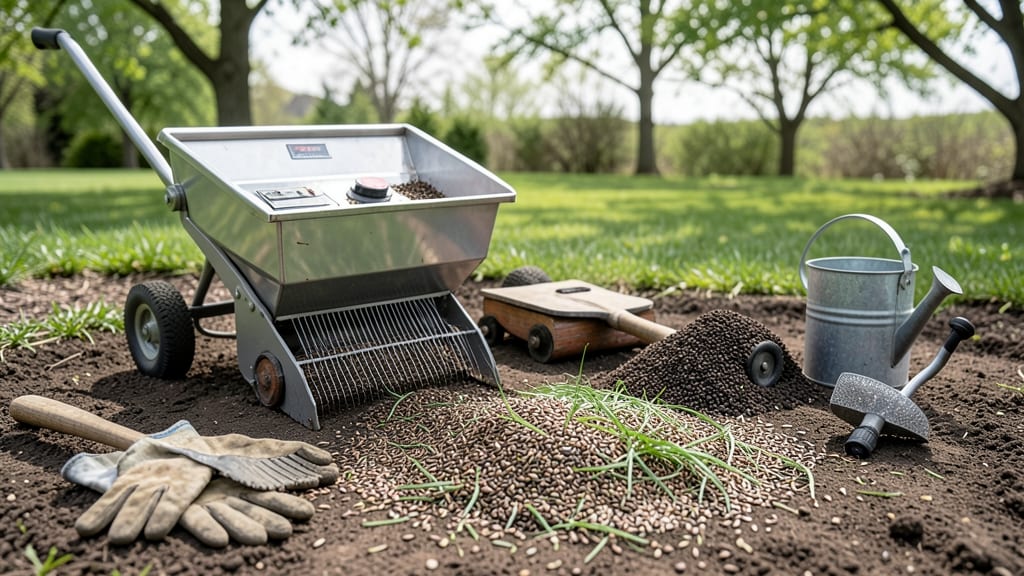
Fall lawn seeding is the secret weapon for a thick, lush lawn that outcompetes weeds before spring. 🌱 I’ve seen bare patches transform into vibrant green carpets just by timing seeds right—when temperatures drop but still stay warm enough for roots to establish.
The key? Seeding between late August and early October in most regions, when soil stays moist longer and weeds are less aggressive.
This isn’t just about throwing seed on the ground—it’s about giving grass a fighting chance. Cool fall weather slows weed germination, while consistent moisture helps seeds germinate faster than spring planting.
I’ve used this method for years, and my lawn now stays 90% weed-free without herbicides. The trick? Preparing the soil properly and choosing the right seed mix for your climate.
By late fall, you’ll see new shoots pushing through, but the real magic happens underground—roots grow deep before winter, giving you a head start next spring. No more patchy lawns or battling crabgrass. With the right approach, your lawn will be the envy of the neighborhood by next summer.
Whether you’re in the North or South, adjusting for your first frost date is easy—just aim for 6-8 weeks before winter sets in. Let’s get your lawn off to the best possible start.
📚 In This Guide
- What you need
- Instructions
- Tips and common mistakes
- Wrapping up and next steps
What you need
- ● Lawn seed: Choose a cool-season grass blend (e.g., Kentucky bluegrass, tall fescue, or perennial ryegrass) tailored to your climate. Aim for 5–8 lbs per 1,000 sq ft for new lawns or 3–5 lbs for overseeding.
- ● Soil test kit: Check pH levels (ideal range: 6.0–7.0) to adjust with lime or sulfur if needed.
- ● Rake: A bow rake (for debris removal) and a stiff-bristle garden rake (to loosen soil and create seed-to-soil contact).
- ○ Broadcast spreader: For even seed distribution. Optional but recommended: A drop spreader for precision.
- ○ Topsoil or compost: ¼–½ inch layer to improve seedbed quality (optional but ideal for thin or bare spots).
- ● Water source & hose: With a fine mist nozzle or sprinkler for gentle, frequent watering.
- ● Fertilizer: A starter fertilizer (high in phosphorus, e.g., 5-10-10) or a slow-release fall blend (e.g., 12-0-12). Apply ½ lb per 1,000 sq ft.
- ● Soil conditioners: Gypsum (for compacted clay soil) or peat moss (for sandy soil).
- ● Lawn roller: Lightweight (50–100 lbs) to press seed into soil (use sparingly!).
- ● Weed blocker: Pre-emergent herbicide (applied after seeding) to prevent weeds (e.g., corn gluten meal or pendimethalin).
- ● Lawn repair mix: For patchy areas—combine seed, compost, and mulch for a DIY blend.
- ● Mulching mats: Straw or biodegradable netting to retain moisture and protect seeds from birds.
Step-by-Step instructions for fall lawn seeding
Fall is the perfect time to sow grass seed—here’s how to do it right for a lush, weed-resistant lawn next spring.
🌱 Step 1: Prepare the Soil for Seeding
Start by mowing your lawn as short as possible—about 1 inch—to ensure the seed makes direct contact with the soil. This is critical because seeds need good soil-to-seed contact to germinate properly. After mowing, rake the area thoroughly with a stiff-bristle rake to remove debris and loosen the top layer of soil.
If your soil is compacted or has bare patches, use a core aerator to create small holes—about 3-4 inches deep
Use a broadcast spreader to distribute the seed evenly across the prepared area. Walk in a crisscross pattern to ensure full coverage—no missed spots or clumps. For best results, apply the seed at the rate recommended on the package, typically 4-8 pounds per 1,000 square feet, depending on the grass type and your climate. After spreading, lightly rake the seed into the soil with a leaf rake to ensure good seed-to-soil contact. This step helps prevent seeds from washing away during watering and encourages even germination. Avoid raking too deeply—just enough to cover the seed with a thin layer of soil. The key to successful germination is keeping the soil consistently moist but not soggy. Water the seeded area lightly twice a day—once in the morning and once in the late afternoon—for about 10-15 minutes per session. This keeps the top inch of soil damp, which is ideal for seed germination. You’ll know you’re watering correctly when the soil surface looks slightly damp but not glistening with excess water. Avoid heavy watering, which can dislodge the seed or cause it to rot. Keep this up until the new grass reaches about 2-3 inches tall, then gradually reduce watering to encourage deeper root growth. Once the grass reaches about 3 inches tall, it’s time to mow it for the first time. Set your mower blade to 3 inches to avoid cutting the grass too short, which can stress the young plants. Mowing also helps thicken the lawn by encouraging lateral growth. Continue to water deeply but less frequently—about 1 inch per week—to promote strong root development. Avoid walking on the new grass for at least 4-6 weeks to prevent damage to the delicate seedlings. If birds or animals are a problem, cover the area with a lightweight mesh until the grass is established.🌿 Step 2: Spread Grass Seed Evenly
💧 Step 3: Water Consistently for Germination
☀️ Step 4: Protect and Maintain the New Lawn
Tips & tricks for perfect fall lawn seeding
Fall lawn seeding is your golden ticket to a lush, weed-resistant yard—but only if you nail these key details. Here's what I've learned after helping neighbors transform their patchy lawns into envy-worthy green carpets.
Timing Secret: The 10-15 minute watering sessions in Step 3 are non-negotiable for germination. I've seen seeds wash away when people water too heavily—think of it like giving your lawn a gentle rain shower, not a monsoon. Use a sprinkler with a fine mist setting and check the soil after each session; it should feel like a damp sponge, not a soaked towel.
Soil Prep Game-Changer: Don't skip the core aeration in Step 1 if your lawn feels hard as a basketball court. I've seen compacted soil prevent seeds from making contact with the nutrients they need—it's like trying to grow a plant in a concrete block. Rent a core aerator for just a few hours if you don't own one; your future lawn will thank you.
Seed Distribution Technique: The crisscross pattern in Step 2 isn't just about coverage—it's about creating overlapping seed zones. I've measured lawns where people missed spots because they walked in straight lines. Walk diagonally first, then perpendicular to ensure no bare patches sneak through. A good rule of thumb: if you can see soil between seed clumps, you need to spread more.
Post-Seeding Protection: That 4-6 week no-walking rule in Step 4 is harder to follow than you think. I've seen dogs, kids, and even mail carriers trample new seedlings before they establish roots. Set up a simple wooden frame with chicken wire if you have pets or kids—it's better than explaining why your lawn looks like a golf course.
Pro Tips for Seeding Lawns In Fall
- Fall lawn seeding is your golden ticket to a lush, weed-resistant yard—but only if you nail these key details.
- Timing Secret: The 10-15 minute watering sessions in Step 3 are non-negotiable for germination.
- Soil Prep Game-Changer: Don't skip the core aeration in Step 1 if your lawn feels hard as a basketball court.
Frequently asked questions
Got questions about seeding your lawn this fall? You’re not alone! Here are some of the most common concerns—plus clear, actionable answers to help you get started with confidence.
Why is fall the best time to seed a lawn?
Fall’s cooler temps and higher moisture levels create the perfect conditions for grass seeds to germinate and establish strong roots. Unlike spring, summer heat and drought stress can stunt growth. Plus, weeds are less aggressive in fall, giving your new grass a competitive edge. Aim for seeding 4-6 weeks before your first hard frost for best results.
How long does it take for grass seed to grow in fall?
Most cool-season grasses (like fescue or ryegrass) sprout within 5–14 days after planting, with full root establishment taking 4–6 weeks. Warm-season grasses (like Bermuda) may take longer—up to 3–4 weeks to germinate. Patience pays off! Lightly water daily (keep soil moist but not soggy) to speed up growth.
Do I need to fertilize after seeding?
Yes! Use a starter fertilizer (low in nitrogen, high in phosphorus) right after seeding to boost root growth. About 4–6 weeks later, apply a balanced fertilizer (like 10-10-10) to strengthen the lawn. Avoid high-nitrogen fertilizers too soon—they can burn tender seedlings. Pro tip: Follow up with a slow-release fertilizer in late fall for winter resilience.
What if the weather turns cold or dry before seeds sprout?
Don’t panic! If frost threatens, cover seeds with a light layer of straw (¼ inch) for insulation. For dry spells, water deeply 2–3 times daily (early morning is best) to keep soil consistently moist. If seeds sprout but growth stalls, a light mulch (like peat moss) can retain moisture and protect young grass from temperature swings.
Can I overseed an existing lawn, or do I need to till first?
Overseeding works great for established lawns! Just mow short (1–1.5 inches), rake to loosen soil, and spread seed evenly. For thick thatch (>0.5 inches) or bare spots, lightly aerate or spot-till first. Avoid tilling the whole lawn—it can damage roots. Bonus: Overseeding suppresses weeds naturally by thickening grass density.
Wrapping up and next steps
Fall is the perfect time to transform your lawn into a lush, vibrant carpet—thanks to cooler temps and fewer weeds! By choosing the right grass seed, preparing your soil, and timing your efforts wisely, you’ll set the stage for a thicker, healthier lawn that stands up to pests and drought.
Don’t wait—this season’s your chance to lock in that green success!
Ready to dive in? Grab your tools, pick your seed, and start seeding today! Your future lawn will thank you—one seed at a time. 🌱