
Lawn
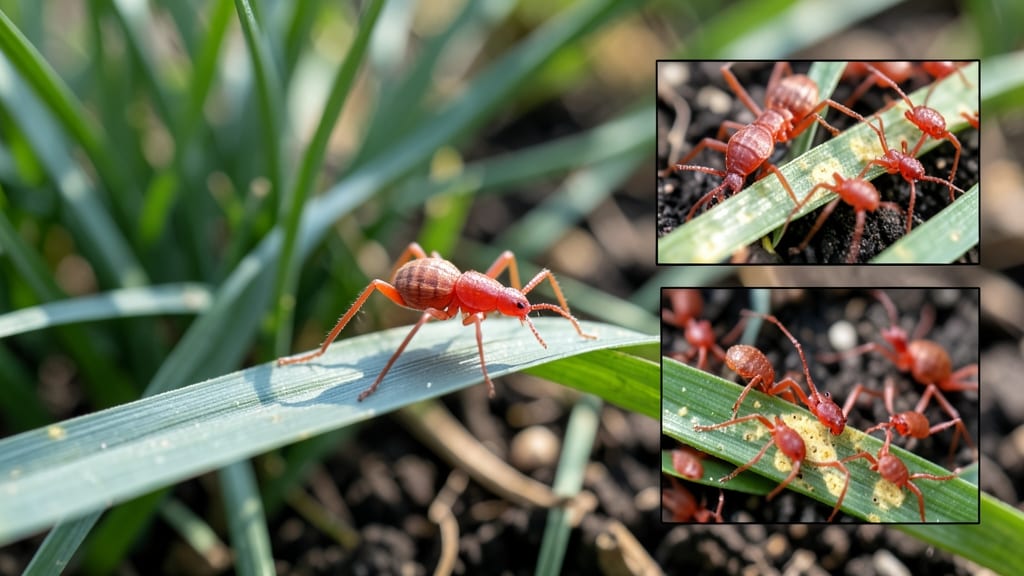
Those tiny red lawn mites are turning your yard into a patchwork of brown—and the itch they leave behind is no joke. 🌱 I’ve battled them in my own lawn, and what I learned changed how I care for grass forever.
These microscopic pests thrive in warm, dry conditions, but they don’t stand a chance with the right approach. The damage starts small—tiny brown spots that spread like wildfire if ignored.
By the time you notice the itchy welts on your skin, the mites have already moved on to your next walk. They peak in late summer and early fall, but warm-season lawns can suffer year-round if conditions are right.
Here’s the good news: nematodes, proper watering, and a few targeted sprays can clear them out in days. I’ll show you how to spot them early, disrupt their life cycle, and keep your lawn lush—without harming pets or kids. No more scratching or staring at dead patches.
This works for Bermuda, Zoysia, and even cool-season grasses—just adjust timing for your climate. Let’s get your lawn back to vibrant green in no time.
Why it happens
If your lawn has suddenly become a hotspot for red lawn mites, you’re not alone—these microscopic pests thrive under very specific conditions. Understanding why they show up is the first step to kicking them out for good. Let’s break down the science behind their sudden appearances.
Red lawn mites (also called red spider mites or Trombidiformes) are cold-blooded creatures, meaning they’re highly sensitive to temperature. Here’s how heat and humidity play into their takeover:
- Peak Activity in Heat: These mites love temperatures between 70–90°F (21–32°C). When summer hits, they become hyperactive, multiplying rapidly in just days. Pro Tip: If your lawn feels like a sauna, expect a mite explosion! 🔥
- Humidity as a Moisture Magnet: High humidity (60%+) keeps their skin from drying out, allowing them to thrive on grass blades. Dry conditions? They retreat underground. But if the air stays damp, they’ll stay put—and hungry.
- Drought Stress = Weak Grass: When grass struggles from lack of water, it emits volatile organic compounds (VOCs) that attract mites. Think of it like a distress signal for pests.
Actionable Fix: If your lawn is overheating, water deeply in early morning to cool the soil and grass without encouraging fungal growth.
Healthy grass repels pests naturally. But when your lawn is weak, thin, or overcrowded, mites move in like squatters. Here’s why:
Grass Condition
Why Mites Love It
Thin or Patchy Lawn
Exposed soil and bare spots give mites direct access to roots and tender new growth.
Over-Fertilized Grass
Too much nitrogen = soft, lush growth that mites devour like an all-you-can-eat buffet. 🍽️
Compacted Soil
Poor drainage and root suffocation weaken grass, making it easier for mites to burrow and feed.
Recent Construction/Disturbance
Freshly turned soil releases organic matter that mites use as a food source and hiding spot.
Actionable Fix: Aerate compacted soil and adjust fertilization to a balanced 3-1-2 ratio (N-P-K) to strengthen grass resilience.
Red lawn mites don’t just appear out of nowhere—they’ve likely been waiting in your yard for the right moment. Here’s how their lifecycle fuels outbreaks:
- Winter Survival Mode: Mites lay thousands of eggs in soil, leaf litter, or thatch before winter. These eggs hatch when soil temps rise above 50°F (10°C)—often in early spring.
- Debris Hotspots: Piles of leaves, grass clippings, or wood chips create microclimates that protect eggs from freezing. Pro Tip: Rake up debris in fall to starve out next year’s mites! 🍂
- Animal Activity: Birds, squirrels, or even your dog can unearth eggs while digging, spreading them across your lawn.
Actionable Fix: Dethatch in early spring and avoid thick mulch layers to disrupt their egg-laying grounds.
Mites don’t respect property lines. If your neighbors’ lawns are infested—or if you’ve recently moved into a high-risk area—your grass is in the crosshairs. Here’s how they hitchhike:
- Wind Dispersal: Lightweight mites can ride wind currents for miles, landing on your lawn like tiny, bloodthirsty snowflakes. 🌬️
- Shared Equipment: Mowers, rakes, and even shoes can transfer mites from one yard to another. Pro Tip: Sanitize tools with rubbing alcohol after use!
- Wildlife Corridors: Parks, forests, or golf courses near your home can act as mite reservoirs, especially if they’re overrun with clover or weeds.
Actionable Fix: Create a 10-foot buffer of mite-repellent plants (like marigolds or garlic) along property edges to block their entry.
Quick fixes for tiny lawn invaders
Tiny but troublesome, red lawn mites can turn your lush green space into a scratchy, irritating battleground in no time. The good news? With the right approach, you can reclaim your lawn—fast. Below, we break down targeted solutions based on the root cause, from immediate relief to long-term prevention.
No fancy tools or toxic chemicals required—just practical, effective steps to restore peace to your yard.
Cause: Mites have already infested your grass, and you’re seeing their tiny bodies or irritation symptoms (like itchy skin or pet discomfort).
Fix It:
- 🌿 Rake and Remove Debris Mites love hiding in thatch, dead leaves, and thick grass. Grab a stiff rake and aggressively clear the surface of your lawn. Focus on shaded or damp areas where mites thrive. Pro tip: 💡 Use a leaf blower first to loosen debris before raking—saves time and effort!
- 💦 Water Strategically Mites despise dry conditions. Deep-water your lawn in the early morning (1–1.5 inches per week) to encourage grass growth and outcompete mites. Avoid overwatering—soggy soil attracts pests, too!
- 🛡️ Apply Natural Repellents Skip the harsh chemicals and try these safe, effective sprays: - Neem oil solution (1 tbsp neem oil + 1 tsp dish soap + 1 quart water). Spray directly on grass and repeat every 5–7 days. - Diatomaceous earth (food-grade).
Lightly dust affected areas (reapply after rain). Warning: ✨ Avoid if pets or kids play barefoot—it’s abrasive! - Garlic or pepper spray (blend 3 garlic cloves + 1 tbsp cayenne + 1 quart water; strain and spray). Mites hate the smell!
- 🐕 Monitor Pets and Kids If your lawn is still a hotspot, keep pets off it until mites decline (usually 7–10 days with treatment). For humans, wear long sleeves/pants when walking barefoot outside.
Cause: Mites are stressing your grass by feeding on roots or sap, leading to thinning or yellowing patches.
Fix It:
- 🌱 Boost Grass Health Mites target weak grass. Fertilize lightly with a low-nitrogen, high-potassium blend (like 5-10-10) to strengthen roots. Over-fertilizing attracts more pests—go easy!
- 🔪 Thin Out Thatch Use a dethatching rake or vertical mower to break up thatch layers (more than ½ inch thick). This removes mite hiding spots and improves air circulation. Time-saver: ⏰ Do this in late summer when mites are less active.
- 🌞 Improve Sunlight Exposure Mites love shady, damp areas. If possible, trim overhanging branches or thin dense shrubs to let sunlight reach the grass. Even a few extra hours of sun can deter mites.
- 🐝 Encourage Beneficial Insects Ladybugs, lacewings, and predatory mites (like Phytoseiulus persimilis) eat red lawn mites. Plant marigolds, dill, or yarrow near your lawn to attract them naturally.
Cause: Your lawn’s environment is perfect for mites—too much shade, poor drainage, or over-moisture.
Fix It (Long-Term):
- 🌡️ Adjust Moisture Levels
- Drainage: If your lawn stays soggy, aerate compacted soil and consider sand top-dressing to improve water flow.
- Drought tolerance: Switch to drought-resistant grasses (like Bermuda or Zoysia) if your area gets heavy rain.
- 🎯 Rotate Repellent Methods Mites build resistance to single treatments. Rotate between:
- Week 1: Neem oil spray
- Week 3: Diatomaceous earth
- Week 5: Garlic/pepper spray Bonus: 💡 Add crushed eggshells to the lawn—they deter mites and add calcium to the soil!
- 🔄 Seasonal Maintenance
- Spring: Overseed thin areas with mite-resistant grass varieties.
- Fall: Apply compost to improve soil health and reduce mite-friendly conditions.
- Winter: Leave grass slightly taller (3–4 inches) to protect roots from freeze-thaw cycles that stress plants.
- 🚫 Avoid Common Mistakes
- ❌ Don’t use broad-spectrum pesticides—they kill beneficial insects too.
- ❌ Don’t ignore pet urine spots—mites love the nitrogen boost!
- ✅ Do test your soil pH (ideal: 6.0–7.0). Mites thrive in acidic soil—lime can help balance it.
Final Thought: Red lawn mites are a nuisance, but with consistent, targeted action, you can send them packing—without sacrificing your lawn’s health. Start with one or two fixes this week, monitor progress, and adjust as needed. Your itch-free, lush lawn is closer than you think! 🌱✨
Frequently asked questions
How can I tell if red lawn mites are causing my grass problems?
Look for tiny red specks on grass blades (use a magnifying glass) and check for brown patches that spread quickly. If you notice itchy welts after walking barefoot, that’s another clue—mites release irritating oils when crushed. Compare symptoms to fungal diseases (like brown patch) which have fuzzy growths, not tiny moving dots.
Will my pets get mites from the lawn?
Yes, pets can bring mites indoors on their paws or fur. Watch for excessive scratching or hair loss. After walks, wipe paws with a damp cloth and wash bedding weekly. For severe infestations, keep pets off treated lawns until mites decline (usually 7-10 days after treatment). Vets can prescribe safe pet-specific treatments if needed.
Can I use regular garden hose pressure to wash mites away?
Not effectively—mites burrow into thatch and soil. A strong stream can dislodge surface mites temporarily, but they’ll return within days. For real results, combine with neem oil spray or dethatching to break their life cycle. Watering deeply in the morning (1-1.5 inches) helps by encouraging grass growth that outcompetes mites.
How long until my lawn recovers after treatment?
Visible improvement usually appears in 2-3 weeks with consistent care. New grass growth will fill in brown patches as you: (1) remove debris, (2) apply treatments every 5-7 days, and (3) maintain proper watering. For severe cases, overseeding with mite-resistant varieties may take 4-6 weeks for full recovery.
Are red lawn mites the same as chiggers?
No—they’re different pests with similar irritation effects. Chiggers (also called red bugs) are larvae that attack skin directly, while lawn mites feed on grass. Chiggers leave red, itchy welts that appear hours after contact, while lawn mite reactions happen immediately. Both thrive in warm, humid conditions but require different treatments.