
Flowers
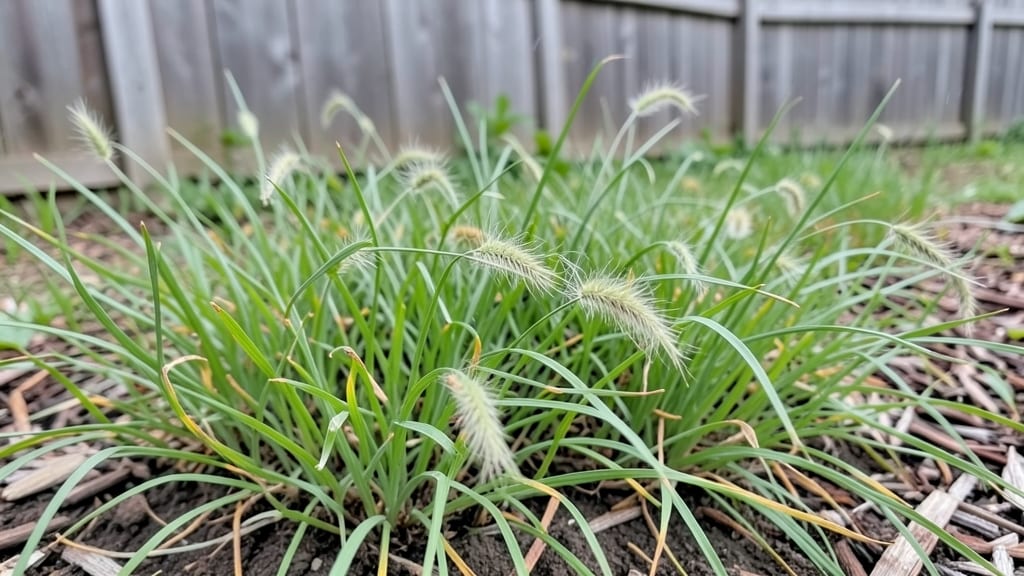
Mastering quail grass care turns those stubborn sunny spots into a lush, low-maintenance green haven that outsmarts weeds and wows pollinators—with almost no effort on your part. 🌱 just lush results. The secret lies in its simple needs: full sun, well-draining soil, and minimal water once established.
Quail grass loves hot, dry conditions—perfect for slopes, borders, or between stepping stones. Start with seeds in spring after the last frost, pressing them lightly into soil that’s dry enough to crumble.
Water just enough to keep the surface moist until germination (about 10-14 days), then let nature take over. This isn’t a high-maintenance diva; it’s the opposite: a plant that rewards neglect.
By midsummer, you’ll have a dense, 6-12 inch thick mat that stays green through droughts and recovers from foot traffic. The fine texture makes it ideal for pathways or as a living mulch, while its seed heads add winter interest.
Just avoid overwatering—this grass hates soggy roots—and you’ll have a pollinator-friendly lawn alternative that lasts for years.
Works in zones 5-10 and thrives in poor soil, making it a foolproof choice for sunny spots where nothing else grows. Let’s get those seeds planted—your future green carpet awaits.
📚 In This Guide
- What you need
- Instructions
- Tips and common mistakes
- Wrapping up and next steps
What you need
- ● Quail grass seed – 1–2 lbs per 100 sq ft (choose a drought-tolerant variety like Bouteloua gracilis for best results).
- ● Well-draining soil – Amend heavy clay with compost or sand (1 part compost to 3 parts soil) for optimal growth.
- ● Sunlight access – Full sun (6+ hours daily) is a must—this grass wilts in shade!
- ● Water source – Hose with a fine-mist nozzle or drip irrigation system for gentle watering.
- ○ Fertilizer (optional but helpful) – Low-nitrogen, slow-release granular fertilizer (5-10-10 ratio, ½ lb per 100 sq ft) applied once in early spring.
- ● Garden rake – For leveling soil and removing debris.
- ● Hand trowel or broadcast spreader – To evenly distribute seed (spreader saves time!).
- ○ Straw or mulch – ¼-inch thick layer to retain moisture (optional but recommended for dry climates).
- ● Pruners or string trimmer – For trimming edges or controlling height (keep blades sharp!).
- ● pH test kit – Aim for 6.0–7.5; adjust with lime (to raise pH) or sulfur (to lower) if needed.
- ● Erosion control fabric – Use on slopes to prevent seed washout during rain.
- ● Organic weed barrier – Cardboard or landscape fabric under seed to block weeds (remove after establishment).
- ● Drought-resistant mulch – Gravel or wood chips around plants to reduce watering needs.
- ● Soil moisture meter – Ensures you’re not over- or under-watering (quail grass hates soggy roots!).
Step-by-Step instructions for planting and maintaining quail grass
Here's the straightforward approach I use to establish vibrant quail grass that thrives with minimal fuss.
🌱 Step 1: Prepare the Soil in Sunny Spaces
Quail grass thrives in full sun to partial shade, so choose a location that gets at least 6 hours of sunlight daily. Clear the area of weeds and debris, then loosen the top 4-6 inches of soil with a garden fork. This improves drainage and root penetration.
Work in 1-2 inches of compost to enrich the soil—quail grass isn't fussy, but it rewards good soil. Rake the area smooth to create an even seedbed. If your soil drains poorly, mix in sand or perlite to lighten it. The goal is loose, well-draining soil that won't smother the delicate grass blades.
🌱 Step 2: Scatter and Lightly Cover the Seeds
Spread the quail grass seeds evenly over the prepared area. I like to use a broadcast spreader for large patches, but for smaller sections, simply sprinkle by hand. Aim for about 1/4 pound of seed per 100 square feet—this ensures good coverage without overcrowding.
Gently rake the seeds into the soil with a fine-toothed rake, covering them with just 1/8 inch of soil or compost. Press lightly to ensure good seed-to-soil contact, but don't compact the surface. Water immediately and thoroughly, keeping the soil consistently moist until germination.
💧 Step 3: Water Consistently Until Establishment
Keep the soil evenly moist for the first 3-4 weeks—this is critical for germination and early growth. Water lightly each morning to prevent the soil from drying out, but avoid soaking it. You'll know you're doing it right when the top inch of soil feels damp but not soggy.
Once the grass reaches about 2-3 inches tall, reduce watering to 1 inch per week. Quail grass is drought-tolerant once established, but young plants need steady moisture. If you notice wilting, water deeply right away—this grass bounces back quickly once rehydrated.
✂️ Step 4: Mow and Maintain for a Neat Appearance
Wait until the grass reaches 3-4 inches tall before mowing for the first time. Set your mower to 2-3 inches to encourage dense growth. Mow when the grass is dry, and remove no more than one-third of the blade height at a time to avoid stressing the plants.
Fertilize lightly in early spring with a balanced, slow-release fertilizer to promote lush growth. Quail grass doesn't need much, but a little extra nutrients keeps it vibrant. Avoid heavy fertilization—this grass prefers lean soil and can become leggy if overfed.
Tips & tricks for perfect quail grass establishment
A few simple tricks can make all the difference in growing lush, resilient quail grass that stays vibrant year after year.
Soil Prep Secret: In Step 1, don't just loosen the soil—break up any remaining clumps larger than a quarter. Quail grass roots need direct contact with loose soil to establish quickly. I like to use a garden fork to create vertical channels about 4-6 inches deep, which helps water penetrate deeply. This prevents surface crusting that can smother new seedlings.
Seed Distribution Technique: For Step 2, consider mixing your quail grass seeds with a little sand (about 1 part sand to 4 parts seeds) before scattering. This helps you spread them more evenly without overcrowding. After sowing, I like to use a piece of plywood to gently tamp the seeds into the soil—just enough to ensure good contact without compacting. This mimics natural seed burial by birds.
Watering Wisdom: The 3-4 week moist period in Step 3 is non-negotiable, but here's the pro move: use a soaker hose or drip irrigation to deliver water directly to the soil surface. This prevents washing away the delicate seeds and keeps moisture consistent without the risk of overwatering. I set mine to run for 10-15 minutes twice daily during this critical period.
First Mow Strategy: When your grass hits that 3-4 inch mark in Step 4, resist the urge to bag the clippings. Leave them on the lawn—they'll decompose and return valuable nutrients to the soil. Just be sure to mow when the grass is completely dry to prevent clumping. I've found that mowing in the late afternoon gives the grass time to dry overnight before the next watering.
Pro Tips for Quail Grass Care
- A few simple tricks can make all the difference in growing lush, resilient quail grass that stays vibrant year after year.
- Soil Prep Secret: In Step 1, don't just loosen the soil—break up any remaining clumps larger than a quarter.
- Seed Distribution Technique: For Step 2, consider mixing your quail grass seeds with a little sand (about 1 part sand to 4 parts seeds) before scattering.
Frequently asked questions
Got questions about keeping your quail grass thriving? Here are some common concerns—answered simply!
How often should I water quail grass?
Quail grass is drought-tolerant once established, but young plants need consistent moisture. Water deeply 1–2 times per week during the first growing season, then reduce to every 2–3 weeks in mature patches. Always check soil moisture—stick your finger in!
Can quail grass handle full sun?
Quail grass loves full sun (6+ hours daily) and grows best in warm climates. If your garden gets intense afternoon sun, it’ll still survive—just watch for temporary wilting. In cooler zones, it may slow down in winter but bounces back in spring.
What’s the best way to control quail grass spread?
Quail grass spreads via runners, but it’s not invasive! To keep it in check:
- Mow regularly (3–4 inches high) to discourage runners.
- Use a sharp edger to trim edges neatly.
- For dense patches, dethatch lightly in early spring.
Can I grow quail grass in containers?
Yes, but it’s trickier! Quail grass needs space to spread, so opt for wide, shallow containers (12+ inches deep). Use a well-draining soil mix and water regularly. It’ll thrive in containers on patios or balconies—just expect slower growth than in-ground.
How do I fix brown patches in my quail grass?
Brown spots often mean overwatering, pests, or disease. Check for:
- Grubs or chinch bugs (use neem oil or beneficial nematodes).
- Fungal issues (improve airflow; avoid wetting leaves).
- Drought stress (water deeply if soil is dry 2+ inches down).
Wrapping up and next steps
Caring for quail grass is a rewarding way to add beauty and resilience to your sunny garden with minimal effort! 🌿 With the right soil prep, sunlight, and occasional maintenance, this drought-tolerant ground cover thrives while suppressing weeds and attracting pollinators.
Whether you’re a beginner or a seasoned gardener, quail grass offers a low-stress, high-reward solution for lush, green spaces.
Ready to transform your garden? Start small—plant a patch this season, observe how it grows, and expand as you gain confidence! Soon, you’ll enjoy a self-sustaining, vibrant landscape that’s as easy to maintain as it is stunning.