
Plants
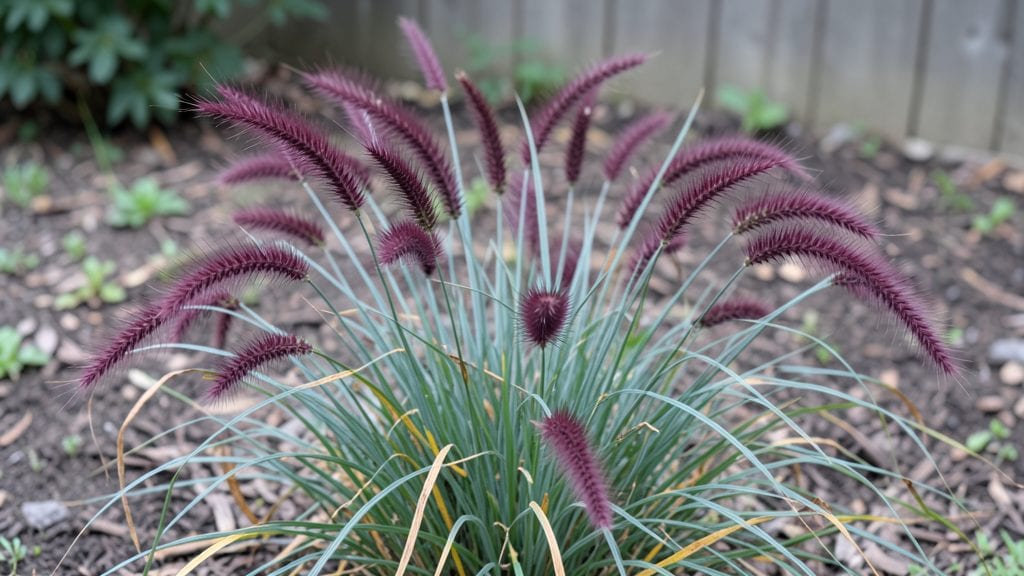
Growing purple feather grass 🌿 is the easiest way to add year-round drama to your garden with almost no effort—this drought-resistant beauty thrives where other plants wilt.
If you're dreaming of a vibrant, low-maintenance garden that thrives even in dry spells, purple feather grass could be your secret weapon—this striking ornamental grass delivers bold color and resilience without the fuss.
Unlike high-maintenance perennials, purple feather grass asks for little in return: just full sun and well-draining soil. In exchange, you get 3-foot-tall plumes of deep purple that sway in the breeze all season long.
Below, I’ll walk you through the exact planting schedule for USDA Zone 6a, watering tricks to keep it lush, and how to prune it for maximum impact—plus the one mistake that turns those gorgeous purple blades brown.
Purple feather grass planting and soil requirements for optimal growth
If you're ready to add year-round color and drought-resistant beauty to your garden, purple feather grass (Pennisetum setaceum 'Rubrum') is an excellent choice. This ornamental grass thrives with minimal fuss, but getting the planting conditions and soil requirements right is key to unlocking its full potential.
The right setup ensures vibrant purple foliage and resilience against dry spells, making it a standout in any landscape.
One of the biggest secrets to success is understanding that purple feather grass loves well-draining soil and full sunlight. Unlike some plants that tolerate shade, this grass needs at least 6 hours of direct sun daily to maintain its rich color and compact form.
When planted correctly, it becomes a low-maintenance powerhouse that requires little water once established, making it perfect for xeriscaping and water-conscious gardens.
Before diving into planting, let’s break down the essentials in one easy-to-reference table. This will help you visualize the ideal conditions for your purple feather grass to thrive, from soil pH to spacing requirements.
| Requirement | Specification |
|---|---|
| Soil Type | Well-draining, slightly sandy or loamy |
| Soil pH | Neutral to slightly alkaline (6.5-7.5) |
| Sunlight Needs | Full sun (6+ hours daily) |
| Spacing | 18-24 inches apart (for clumping growth) |
| Planting Depth | Top of rootball level with soil surface |
| Best Planting Time | Spring or early fall (after last frost) |
| Mature Height | 2-3 feet tall |
| Mature Spread | 1-2 feet wide |
| Drought Tolerance | High (once established) |
| Fertilizer Needs | Balanced 10-10-10 (light feed in spring/summer) |
Now that you have the ideal conditions at your fingertips, let’s dive into how to prepare your soil for planting. Purple feather grass performs best in well-aerated soil that drains excess water quickly.
If your garden soil is heavy clay, amending it with compost or sand can improve drainage and prevent root rot. A simple soil test will reveal if your garden’s pH is within the ideal 6.5-7.5 range—this grass is adaptable but thrives in slightly alkaline conditions.
When selecting a planting location, prioritize areas with full sun exposure. Even partial shade can cause the foliage to lose its vibrant purple hue, turning it green or brown.
If your garden lacks a sunny spot, consider planting purple feather grass in a container where you can move it to a sunny patio or balcony during the growing season. This flexibility makes it a great choice for urban gardeners or small spaces.
Spacing is another critical factor for healthy growth. Since purple feather grass grows in clumps rather than spreading runners, you can plant them 18-24 inches apart to allow for air circulation and prevent overcrowding.
This spacing also makes it easier to access the center of the plant for maintenance tasks like pruning or fertilizing. If you’re planting in a border or mass planting, maintain this distance to create a lush, uniform look.
Timing your planting is just as important as location. The best times to plant purple feather grass are in early spring (after the last frost) or early fall.
Planting in spring gives the grass time to establish roots before summer heat sets in, while fall planting allows it to settle in before winter dormancy. Avoid planting in mid-summer, as the heat and dry conditions can stress young plants and slow their growth.
Once you’ve prepared the soil and chosen the perfect spot, dig a hole that’s twice as wide as the root ball but only as deep.
This ensures the grass sits at the same level it was in the nursery pot, preventing it from sinking too low or sitting too high, which can both lead to poor drainage or instability.
Gently remove the plant from its container and loosen any circled roots at the bottom to encourage outward growth.
After placing the purple feather grass in the hole, backfill with soil and water deeply to settle the roots and eliminate air pockets. A layer of mulch around the base (but not touching the stems) helps retain moisture, suppress weeds, and regulate soil temperature.
Choose organic mulch like shredded bark or straw, which will break down over time and improve soil fertility. This step is especially important during the first growing season to help the plant establish a strong root system.
With the right soil, sunlight, and spacing, your purple feather grass will reward you with year-round color and drought-resistant beauty. The key to long-term success is consistency—providing the right conditions upfront ensures this low-maintenance plant thrives with minimal effort.
Once established, it’ll handle dry spells like a pro, making it a standout addition to any garden.
Drought-proof care tips: watering, pruning, and fertilizing purple feather grass
Keeping your purple feather grass vibrant while conserving water is easier than you think. This drought-resistant beauty thrives with minimal intervention once established—3-4 years after planting. The key lies in understanding its natural growth cycles and adapting your care routine to match seasonal demands.
Unlike thirsty annuals, this ornamental grass stores moisture efficiently in its deep roots, making it perfect for water-wise gardens.
Let’s break down the science-backed strategies that will keep your purple foliage lush and your water bill low. From deep watering techniques to strategic pruning, these tips ensure your grass stays healthy without overworking your hose.
The best part? These methods align perfectly with nature’s rhythm, reducing waste and effort while maximizing results.
- Watering: Apply 1 inch of water every 7-10 days during dry spells. Use drip irrigation or soaker hoses to deliver water directly to roots, reducing evaporation. Morning watering (before 10 AM) prevents fungal risks while encouraging deep root growth.
- Pruning: Cut back dead or brown foliage in early spring (March) to encourage new growth. Avoid heavy pruning in fall—let natural dormancy occur. Use sharp, sterilized shears to make clean cuts just above the base.
- Fertilizing: Feed with a balanced 10-10-10 fertilizer in spring and summer (April-July). Apply 1 tablespoon per plant every 6-8 weeks. Skip fall and winter fertilizing—your grass stores nutrients naturally during dormancy.
- Mulching: Spread 2-3 inches of organic mulch (like pine straw) around the base to retain moisture and suppress weeds. Replenish mulch annually in early spring to maintain soil health.
- Seasonal Adjustments: Reduce watering to bi-weekly in fall and monthly in winter. Purple feather grass enters dormancy naturally—don’t panic if it browns slightly. New growth will emerge in spring with minimal care.
One of the biggest misconceptions about drought-resistant plants is that they require zero water. That’s not the case with purple feather grass—it simply stores water efficiently once established. The key is to water deeply but infrequently, encouraging roots to grow deeper in search of moisture.
This strategy not only saves water but also makes your grass more resilient to dry spells.
Pruning might seem intimidating, but it’s actually one of the easiest tasks for maintaining this grass. The goal is to remove dead growth while preserving the plant’s natural shape. I recommend using clean, sharp shears to avoid tearing the foliage, which can invite disease.
Timing is everything—prune in early spring to give your grass a fresh start for the growing season.
Fertilizing might feel like a chore, but a little effort goes a long way in keeping your purple feather grass vibrant. A balanced fertilizer applied in spring and summer provides the nutrients needed for lush growth without overfeeding.
Remember, less is more—over-fertilizing can lead to weak growth and even burn the roots. Always follow the 1 tablespoon per plant rule for best results.
By following these drought-proof care tips, your purple feather grass will reward you with year-round color and minimal upkeep. Whether you’re a busy gardener or a water-conscious enthusiast, this grass is the perfect addition to any landscape.
With the right balance of water, pruning, and fertilizing, you’ll enjoy a stunning, low-maintenance focal point for years to come. 🌿