
Lawn
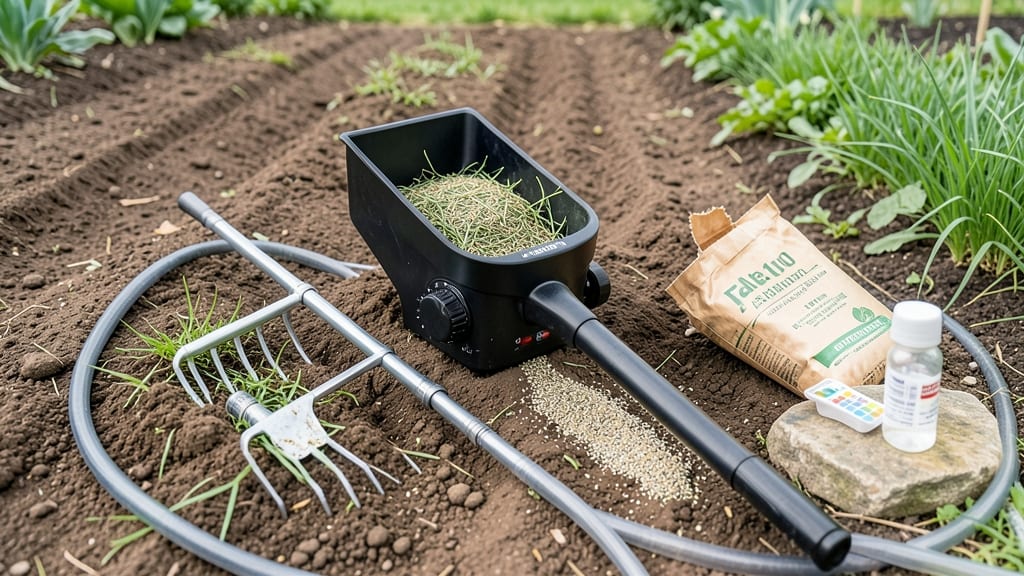
Planting a lawn in the fall means thicker, greener grass next spring—cool-season grasses like fescue and ryegrass take root when temperatures dip, outpacing summer heat stress.
I’ve seen firsthand how fall-planted lawns establish faster and crowd out weeds before winter sets in, giving you a head start on spring beauty. The key is timing: aim for 4-6 weeks before your first frost when soil stays warm but air cools, creating perfect germination conditions.
Prep starts with soil—test pH (ideal: 6.0-7.0) and till in 2-3 inches of compost to loosen compacted ground. Choose seed blends tailored to your climate: Northern regions thrive with tall fescue mixes, while Southern lawns do better with fine fescue or Bermuda.
Spread seed evenly (about 5-10 pounds per 1,000 sq ft) and lightly rake to ensure soil contact—this step alone prevents bare patches. Water lightly daily to keep soil moist but never soggy.
Once sprouts appear (usually 7-14 days), reduce watering to 1-2 times weekly to encourage deep roots. Fall’s gentle rains help, but monitor for drought—wilting seedlings won’t recover. By winter, your lawn will enter dormancy stronger than spring-planted grass, resisting drought and disease.
The payoff? A lush, uniform lawn that outcompetes weeds naturally, with minimal spring repairs.
For Southern Hemisphere gardeners, flip the season: plant in late winter to early spring when soil warms but summer heat hasn’t arrived yet. Avoid fall planting there—grasses struggle with summer dormancy.
In both hemispheres, weed control is critical: pre-emergent herbicides in early fall prevent crabgrass, while overseeding thickens grass to choke out clover. Patience pays off—fall-planted lawns mature faster and stay vibrant longer.
📚 In This Guide
- What you need
- Instructions
- Tips and common mistakes
- Wrapping up and next steps
What you need
- ● Cool-season grass seed: Choose a blend suited to your climate (e.g., Kentucky bluegrass, tall fescue, or perennial ryegrass). Quantity: 5–8 lbs per 1,000 sq ft (follow seed bag instructions).
- ○ Topsoil or compost: 1–2 inches to improve soil quality. Optional: Test soil pH (ideal: 6.0–7.0) and amend with lime or sulfur if needed.
- ● Lawn roller: 100–150 lb weight to press seed into soil.
- ● Rake: A stiff-bristle rake (for leveling) and a leaf rake (for debris removal).
- ● Spreaders: Broadcast spreader: For even seed distribution (calibrate for your seed type!).
- ● Drop spreader: For precision (ideal for slopes or edges).
- ● Watering supplies: Hose with adjustable nozzle (fine mist setting).
- ● Water timer or sprinkler (for consistent moisture).
- ● Fertilizer: Slow-release, fall-specific formula (e.g., 10-0-10 or 16-4-8) with no weed killer. Quantity: 1 lb per 100 sq ft.
- ● Mulching hay or straw: Light layer (¼ inch) to protect seed from birds and erosion. Avoid thick layers—it can smother grass!
- ● Soil aerator: Core aerator (rent or buy) to reduce soil compaction before seeding.
- ● Lawn leveler: For patchy or uneven areas (e.g., sand or topsoil mix).
- ● Pre-emergent herbicide: Apply after seeding to prevent weeds (wait 4–6 weeks post-seeding).
- ● Knee pads or gloves: Because comfort (and blisters) matter! 😉
- ● Weather tracker: Check for 5–7 days of forecasted rain or plan for supplemental watering.
Step-by-Step guide to planting a fall lawn
Fall is the perfect time to establish a lush, resilient lawn—here's how to do it right.
Prepare the Soil for Optimal Growth
Start by removing all existing vegetation, including weeds, grass, and debris, using a sod cutter or shovel. Work the soil to a depth of 6-8 inches with a rototiller, breaking up compacted layers to improve aeration. This is critical for cool-season grasses like fescue and ryegrass, which thrive when roots can penetrate deep into loose soil.
Test the soil pH using a home kit, aiming for a range of 6.0-7.0. If your soil is too acidic or alkaline, amend it with lime or sulfur as recommended. Spread a ¼-inch layer of compost over the tilled area and lightly rake it in. This enriches the soil with organic matter, promoting strong root development during the fall planting window.
Choose and Spread the Right Grass Seed
Select a high-quality, cool-season grass seed blend suited to your climate zone. For most regions, a mix of tall fescue, fine fescue, and perennial ryegrass provides durability and a dense turf. Spread the seed evenly using a broadcast spreader or by hand, ensuring no bare spots remain. Follow the package rate, typically 4-8 pounds per 1,000 square feet, depending on the seed type.
Lightly rake the seed into the soil with a stiff-bristled rake, pressing it just enough to ensure good seed-to-soil contact. This prevents seed from washing away during watering and encourages consistent germination. Avoid over-raking, which can bury the seed too deeply and delay sprouting.
Water Deeply and Consistently for Germination
Water the seeded area immediately after planting, applying ¼ inch of water to moisten the soil evenly. For the next 10-14 days, keep the soil consistently moist by watering lightly twice daily—early morning and late afternoon. Overhead sprinklers work best, as they mimic natural rainfall and prevent seed displacement. You’ll know you’re on track when the top ½ inch of soil remains damp but not soggy.
Once the grass reaches 2-3 inches tall, gradually reduce watering to 1 inch per week, encouraging deeper root growth. Avoid heavy foot traffic during this phase, as tender seedlings are easily damaged. Fall’s cooler temperatures and higher humidity create ideal conditions for germination, typically within 14-21 days, depending on the seed variety and weather.
Maintain and Strengthen the New Lawn
After the grass reaches 3-4 inches in height, mow it for the first time, setting the blade to 3 inches to avoid scalping the young blades. Mow regularly, removing no more than ⅓ of the blade height each time, to promote dense growth. Fertilize with a slow-release, fall-specific lawn fertilizer containing nitrogen, phosphorus, and potassium in a 3-1-2 ratio, following the package instructions for application rate.
Continue to water deeply but less frequently, aiming for 1 inch per week, including rainfall. This encourages the roots to grow deeper, making the lawn more drought-resistant. Avoid applying herbicides or pesticides during the first growing season, as they can harm the developing grass. By late fall, your lawn should be thick and vibrant, ready to withstand winter and spring challenges.
Tips & tricks for perfect fall lawn planting
A few strategic moves can transform your fall lawn from good to exceptional. The devil's in the details when it comes to soil prep, seed placement, and watering consistency.
Soil Depth and Aeration: When tilling to that 6-8 inch depth in Step 1, focus on breaking up those compacted layers completely. I've seen lawns fail when homeowners only scratch the surface—cool-season grasses need that deep penetration to establish strong root systems. Use a soil probe after tilling to verify you've reached the required depth in all areas. This ensures your compost layer will work its magic at the right level.
Seed Selection Insight: The 4-8 pounds per 1,000 square feet recommendation in Step 2 assumes average conditions. For shady areas, increase to the higher end of that range—fine fescue needs more seed to compete with low light. I've planted countless lawns and found that adding 10-15% extra seed to shady spots prevents those unsightly bare patches that drive homeowners crazy.
Watering Precision: Those first 10-14 days of twice-daily watering are make-or-break. Use a rain gauge or tuna can to measure your ¼ inch application—many people overestimate how much their sprinklers deliver. The key is maintaining that ½ inch dampness without creating puddles. I've seen entire seedings wash away because homeowners didn't realize their sprinklers were overpowering the delicate seedlings.
Fertilizer Timing: The 3-1-2 ratio fertilizer in Step 4 should be applied when your grass reaches 3-4 inches—this timing ensures the plants have enough leaf surface to absorb nutrients without burning tender seedlings. I recommend applying it in late afternoon to prevent any potential leaf scorch from the sun's intensity. This also gives the grass time to metabolize the nutrients before nightfall.
Pro Tips for Planting A Lawn In The Fall
- A few strategic moves can transform your fall lawn from good to exceptional.
- Soil Depth and Aeration: When tilling to that 6-8 inch depth in Step 1, focus on breaking up those compacted layers completely.
- Seed Selection Insight: The 4-8 pounds per 1,000 square feet recommendation in Step 2 assumes average conditions.
Frequently asked questions
Got questions about planting a lawn in the fall? You’re not alone! Here are some of the most common concerns—plus the answers to help you get started with confidence.
What’s the best time of fall to plant a lawn?
For most regions, aim for late summer to early fall—typically 4 to 6 weeks before your first hard frost. This gives grass seeds time to germinate and establish roots before winter. Check your local frost dates for precision!
Can I still plant grass if frost is already happening?
If frost has already arrived, wait until spring. Cool-season grasses need consistent soil temperatures above 50°F (10°C) to germinate. Planting too late in fall risks weak growth or seed failure.
Is fall lawn planting cheaper than spring?
Yes! Fall is often less competitive for materials and labor, and many nurseries offer discounts. Plus, cooler temps mean lower watering needs—saving you money and effort.
What if my soil isn’t perfect? Can I still plant in fall?
Fall is a great time to test and amend soil (add compost or lime) before planting. Cool weather helps nutrients settle, and you can prep without rushing. Just avoid heavy tilling when soil is wet.
Will pests or weeds be a bigger problem in fall?
Fall can actually reduce weeds since cooler temps slow their growth. However, watch for grubs and rodents—apply pre-emergent herbicides or natural deterrents if needed. Aerating your lawn first helps prevent pest hotspots.
Wrapping up and next steps
Fall is the perfect time to plant a lush, resilient lawn—cool-season grasses thrive when temperatures drop, and your hard work will reward you with a vibrant green carpet by spring! 🌱 With the right soil prep, seed selection, and care, you’re setting your lawn up for long-term success.
Now that you’re armed with the how-to and answers to common questions, there’s only one step left:
🌟 Take Action!
Grab your tools, mark your calendar for those first frost dates, and get planting! Start small if needed—even a patch of new grass is a step toward a dream lawn.
And remember: patience pays off. Before you know it, you’ll be the envy of the neighborhood with that perfectly manicured fall-planted turf. Happy growing! 🌿