
Plants
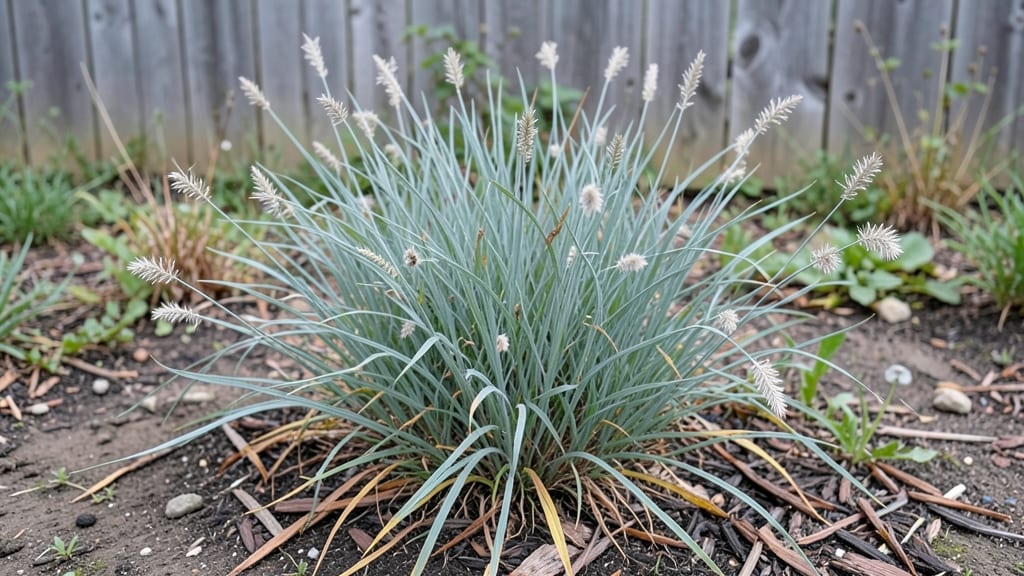
Growing ornamental grass like little bluestem 🌿 turns your yard into a low-maintenance masterpiece that thrives on neglect.
Picture this: a drought-resistant plant that bursts into fiery hues in fall, stands tall through winter, and never asks for extra water once established. That’s the magic of little bluestem—a grass so tough it outshines fussy perennials while demanding almost nothing in return.
You don’t need a green thumb to make it work. With just full sun and well-draining soil, this native beauty grows effortlessly in USDA Zone 6a and beyond. Whether you’re revamping a dry corner of your garden or simply want year-round texture, little bluestem delivers without the fuss.
Below, I’ll show you exactly how to plant, care for, and maximize its stunning seasonal colors—so you can enjoy its bold presence with minimal effort.
Little bluestem’s year-round color transformation: from spring to winter beauty
One of my favorite aspects of little bluestem (Schizachyrium scoparium) is how it evolves through the seasons, offering year-round visual interest with minimal effort. Unlike many ornamental grasses that fade in winter, little bluestem transforms into a striking architectural feature that adds texture and movement to your garden.
Let’s explore how to maximize its seasonal beauty from spring’s fresh growth to winter’s enduring form.
In spring, little bluestem emerges with bright green, slender blades that create a soft, airy texture. This is the perfect time to shape the plant by trimming back any dead growth from winter, allowing the new growth to shine without competition.
The blades grow upright, forming a neat, clumping habit that’s ideal for borders or meadow plantings.
By late spring to early summer, the grass develops into a dense, upright clump with arching seed heads that sway gently in the breeze.
This stage is all about letting the plant establish—avoid heavy pruning now, as it reduces the plant’s ability to store energy for its showstopping fall display. Water deeply but infrequently to encourage deep root growth.
Here’s a quick reference for little bluestem’s seasonal care and appearance:
| Season | Color & Form | Care Tip | Visual Impact |
|---|---|---|---|
| Spring | Bright green blades, upright growth | Trim dead growth, avoid fertilizing | Soft, airy texture for borders |
| Summer | Upright clumps, arching seed heads | Water deeply, no pruning | Movement and structure |
| Fall | Fiery orange-red blades | Leave foliage for winter interest | Bold, fiery contrast |
| Winter | Tan seed heads, upright form | Minimal pruning, protect from salt | Architectural winter interest |
The fall season is when little bluestem truly shines, transforming into a spectacular display of orange-red hues. This is the plant’s peak color phase, and the contrast against golden aspens or purple coneflowers is unbeatable.
To enhance the color intensity, avoid fertilizing in late summer, as this can dilute the fall pigments. Instead, focus on watering deeply to support root health.
As winter arrives, little bluestem retains its structure, with tan seed heads standing tall against the snow. This architectural form adds winter interest to gardens, especially when planted in groups or drifts.
For maximum impact, pair it with evergreen shrubs like boxwood or ornamental grasses like switchgrass for year-round texture.
To extend the seasonal interest, I recommend light pruning in late winter—just enough to remove any dead or damaged growth while preserving the plant’s natural shape.
Avoid cutting back too aggressively, as little bluestem regrows slowly from its base. This minimalist approach ensures the plant stays healthy and vibrant for years to come.
For even more drama, consider companion planting with purple coneflower or black-eyed Susan. The contrasting colors create a stunning visual effect, especially in fall landscapes. Little bluestem also attracts pollinators like bees and butterflies, making it a functional and beautiful addition to any garden.
If you’re new to growing ornamental grasses, little bluestem is a fantastic choice because it’s drought-tolerant, low-maintenance, and versatile. Whether you’re designing a wildflower meadow or a structured border, this grass delivers year-round beauty with minimal effort. 🌿
How to plant and care for little bluestem in drought-prone areas
Planting little bluestem (Schizachyrium scoparium) in drought-prone areas is one of the smartest choices for low-maintenance landscaping. This native grass thrives in USDA zones 3-9 and handles heat and dry spells better than most ornamentals.
The key is replicating its natural growing conditions—well-draining soil, full sun exposure, and minimal interference once established.
Unlike high-maintenance lawn grasses, little bluestem develops deep roots that access water deep underground, making it ideal for xeriscaping. When planted correctly, it requires little to no irrigation after the first growing season.
Let’s break down the exact steps to ensure your plants not only survive but thrive in harsh climates.
Start by selecting a sunny location with 6+ hours of direct sunlight daily. Little bluestem tolerates poor soil, but it performs best in sandy loam or clay loam with a pH between 5.0-8.0.
If your soil is heavy clay, amend it with coarse sand or perlite to improve drainage. Avoid waterlogged areas—root rot is the biggest threat to young plants.
Space plants 18-24 inches apart for a natural, meadow-like look. For tighter borders, reduce spacing to 12-18 inches. Dig holes twice as wide as the root ball but only as deep—planting too deep can suffocate roots.
Gently remove plants from containers and tease apart roots if they’re circled or compacted.
Water deeply after planting to settle soil around roots, then water weekly for 4-6 weeks to encourage establishment. Once roots are 12+ inches deep (usually by late summer), reduce watering to every 10-14 days.
Mature plants need almost no watering—they’ll turn dormant and brown in drought but bounce back with rain.
Prune little bluestem in late winter or early spring before new growth appears. Cut back dead foliage to 3-6 inches tall to allow sunlight to reach the base. Avoid heavy pruning in fall, as the seed heads add winter interest.
If pests like grasshoppers or spider mites appear, blast them off with a strong hose stream—little bluestem rarely needs chemical treatments.
For regional adaptations, adjust timing slightly: In hot, dry zones (8-9), plant in early fall to beat summer heat. In colder zones (3-5), wait until late spring after frost danger passes.
Mulch with 2-3 inches of straw in Zone 3-4 to protect roots from freeze-thaw cycles. With these steps, your little bluestem will become a drought-proof landscape star.