
Lawn
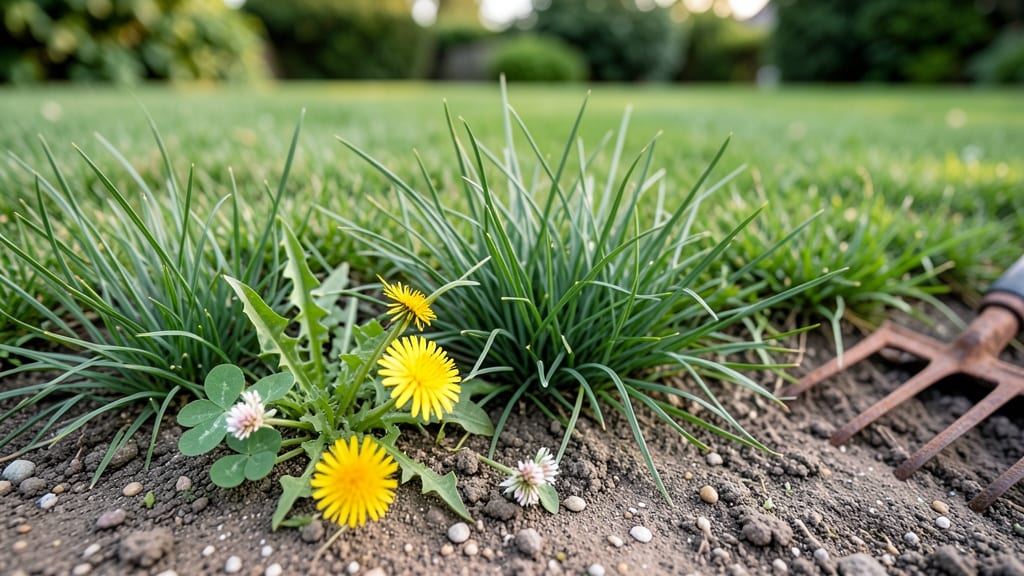
A patchy new lawn can feel like a personal failure—until you realize it’s almost always fixable. 🌱 The uneven look usually comes from uneven seed spread, soil compaction, or inconsistent watering, not poor-quality grass.
My first lawn had bald spots that looked like a bad joke until I adjusted the approach. The good news? You don’t need expensive treatments or professional help. A three-step fix—reseeding bare spots, adjusting watering habits, and a light topdressing—can transform your lawn in just 4-6 weeks.
Even my neighbor’s stubborn patchy areas responded within a month after we tackled the root issues (literally). What you’ll end up with is a thick, uniform carpet of grass that stops looking like a science experiment.
The key is patience and precision—watering deeply but infrequently, using the right seed mix, and avoiding foot traffic until the new growth is established. This method works for newly seeded lawns, repair patches, or even reviving older grass.
Let’s get your lawn looking like the envy of the block again—without the frustration.
📚 In This Guide
- What you need
- Instructions
- Tips and common mistakes
- Wrapping up and next steps
What you need
- ● Seed: High-quality grass seed (match it to your lawn’s existing type—cool-season or warm-season). Quantity: ~2–4 lbs per 100 sq ft (check seed bag for exact coverage rates).
- ● Topsoil or Compost: ¼–½ inch layer to nourish roots. Type: Organic, weed-free blend (avoid clay-heavy soil). Quantity: ~1 cubic yard covers ~100 sq ft at ½-inch depth.
- ● Starter Fertilizer: Low-nitrogen, high-phosphorus blend (e.g., 5-10-10 ratio). Quantity: Follow label rates (typically 1–2 lbs per 100 sq ft).
- ● Lawn Rake: Metal or plastic with fine tines (for seeding) + a stiff-bristle rake (for leveling).
- ○ Broadcast Spreader: For even seed distribution (manual or drop-type). Optional: Hand-held spreader for small patches.
- ● Watering Supplies: Hose with adjustable nozzle (gentle spray setting).
- ● Water break alarm or timer (to avoid over/under-watering).
- ○ Optional: Sprinkler for large areas (light, frequent coverage).
- ○ Mulching Fabric (Optional): Biodegradable netting or straw to retain moisture and protect seeds from birds.
- ● Weather Check: Seed in cool-season grasses (fall/spring) or warm-season grasses (late spring/summer) for your climate. Avoid seeding during extreme heat or frost.
- ● Soil Test: Test pH (ideal: 6.0–7.0). Adjust with lime (for acidic soil) or sulfur (for alkaline soil) if needed. Kit: Home test kit or lab service.
- ● Clear Debris: Remove rocks, weeds, and dead grass from patchy areas. Tool: Hand trowel or dandelion digger.
- ● Loosen Soil: Aerate compacted areas with a core aerator or hand fork (½-inch deep).
Instructions for reviving a patchy new lawn
Here's how to transform uneven coverage into a lush, uniform lawn in just a few hours.
🌱 Step 1: Assess and Prepare the Bare Spots
Walk your lawn and identify all bare patches, noting their size and location. Use a 4-inch diameter circle as your guide—any area smaller can be overseeded, while larger sections need topsoil. Remove any debris, rocks, or dead grass with a rake, working in small sections to avoid disturbing the surrounding turf.
For stubborn weeds or moss, apply a spot treatment of vinegar-based weed killer (follow label instructions) or pull them by hand. The goal is a clean, level surface ready for new grass. I like to work in 10-foot squares—it keeps the job manageable without overwhelming me.
🪴 Step 2: Spread Topsoil or Compost for Larger Patches
For patches larger than 2 square feet, spread a ½-inch layer of topsoil or compost over the bare area. Use a hand tamper or the back of a shovel to press it lightly into the soil—this ensures good seed-to-soil contact. Level the surface with a rake, creating a smooth, slightly concave bed that will hold water.
Don't compact the soil too firmly—you want it loose enough for roots to penetrate easily. If your lawn has heavy clay soil, mix in a ¼-inch layer of sand to improve drainage. This step is critical for preventing future bare spots by giving new grass the best start.
💧 Step 3: Overseed with High-Germination Grass Seed
Use a broadcast spreader set to the manufacturer's recommended setting for your seed type. For small patches, hand-scatter seed lightly, ensuring even coverage—about ½ pound per 100 square feet for most cool-season grasses. Press the seed into the soil with a lawn roller or the back of a rake to ensure contact with the earth.
I like to work in 5-foot strips to maintain consistency. Water immediately after seeding to settle the seed into the soil. This step is where patience pays off—uneven seeding leads to thin spots later, so take your time.
☀️ Step 4: Water Lightly but Frequently
Keep the soil consistently moist for the first 10-14 days—water lightly twice daily if possible, using a fine mist setting on your sprinkler. The top ½ inch of soil should stay damp but not soggy. Overwatering can wash away seed, while underwatering causes uneven germination.
Once seedlings reach 1-2 inches tall, reduce watering to once daily for 10-15 minutes. You'll see the first signs of new growth in 7-10 days—watch for tiny green blades pushing through the soil. This is the moment that matters: consistent moisture ensures your repair blends seamlessly with the existing lawn.
✂️ Step 5: Maintain and Blend the New Growth
After 4-6 weeks, when the new grass reaches 3-4 inches tall, mow it at the same height as your existing lawn. Use a sharp mower blade to avoid tearing the young grass. Gradually reduce mowing frequency to match your regular lawn schedule.
Fertilize lightly with a starter fertilizer (high in phosphorus) to encourage root development. Avoid heavy foot traffic on the repaired areas for at least 6 weeks—new grass roots are fragile. With this method, your patchy lawn will look uniform in just 8-12 weeks.
Tips & tricks for perfecting your patchy lawn repair
These quick fixes will help you achieve a seamless, professional-looking lawn in record time—without the common pitfalls that leave results looking patchy.
Patch Size Strategy: In Step 1, when assessing those 4-inch diameter patches, remember that smaller areas can be overseeded while larger ones need topsoil. I've found using a chalk line or garden hose to mark 2-square-foot boundaries helps visualize where to apply topsoil versus where to simply overseed. This prevents overworking the soil in small areas, which can disturb the surrounding grass.
Soil Preparation Insight: For Step 2, the ½-inch layer of topsoil or compost is your foundation—don't skimp! I like to sift the topsoil through a ¼-inch mesh screen first to remove any clumps. This creates a finer, more consistent texture that seeds can easily establish in. For clay-heavy soils, mixing in that ¼-inch layer of sand is worth the extra effort—it dramatically improves drainage and prevents future compaction issues.
Seed Application Technique: When using the broadcast spreader in Step 3, walk in a perpendicular pattern to your first pass to ensure even coverage. For hand-scattering, I've found using a pie tin with holes punched in the bottom works perfectly for small patches—just sprinkle lightly while walking in straight lines. The key is maintaining that ½ pound per 100 square feet ratio without doubling up in spots.
Watering Timeline: The 10-14 day watering window in Step 4 is your critical period—don't let up! I set a phone reminder for morning and evening watering sessions. Use a soil moisture meter to check that top ½ inch stays consistently damp. If you notice water pooling, that's a sign you need to adjust your sprinkler pattern or water less frequently but for longer durations.
Pro Tips for New Lawn Patchy
- These quick fixes will help you achieve a seamless, professional-looking lawn in record time—without the common pitfalls that leave results looking patchy.
- Patch Size Strategy: In Step 1, when assessing those 4-inch diameter patches, remember that smaller areas can be overseeded while larger ones need topsoil.
- Soil Preparation Insight: For Step 2, the ½-inch layer of topsoil or compost is your foundation—don't skimp!
Frequently asked questions
Got questions about fixing a patchy new lawn? You’re not alone! Here are some of the most common concerns—and straightforward answers to get your grass looking lush and even again.
Why is my new lawn patchy even after reseeding?
A patchy new lawn can happen due to uneven soil prep, inconsistent seed distribution, or poor watering. Uneven soil (like low spots or compacted areas) can cause seeds to settle differently, while skipping watering or overwatering can wash seeds away or create dry pockets. Even shade or foot traffic can stress young grass. Start by checking your soil prep and watering routine—consistency is key!
How long does it take to fix patchy grass in a new lawn?
With the right approach, you’ll see noticeable improvement in 2–4 weeks, but full recovery can take 6–12 weeks, depending on grass type, climate, and care. Fast-growing varieties like ryegrass show results quicker, while slower-growing types (like fescue) need more patience. Focus on daily watering (lightly, to keep soil moist) and avoid mowing until blades are 3–4 inches tall.
Should I water my patchy lawn differently than a healthy one?
Yes! Patchy lawns need more frequent, lighter watering—aim for ¼ to ½ inch per week, split into 2–3 sessions (morning is best). Deep watering (1–2 inches at a time) can drown seeds, while infrequent watering stresses them. Use a sprinkler with a gentle setting or a soaker hose to avoid erosion. Check soil moisture daily: it should feel like a wrung-out sponge.
What’s a quick fix for bare spots in a new lawn?
For small bare patches (under 6 inches), try a seed-and-soil mix:
- Loosen soil gently with a rake or hand fork.
- Sprinkle high-quality grass seed (match your lawn type) and a thin layer of peat moss or compost.
- Lightly cover with soil (¼ inch max) to protect seeds.
- Water immediately and keep moist for 10–14 days.
Can I fix a patchy lawn in extreme heat or cold?
Timing matters! Cool-season grasses (like fescue or bluegrass) thrive in spring or fall (50–75°F). Warm-season grasses (like Bermuda or Zoysia) prefer late spring to early summer (75–90°F). Avoid reseeding in extreme heat (above 90°F) or freezing temps—seeds can dry out or fail to germinate. If you must fix it now, use shade cloth in summer or a protective mulch in winter.
Wrapping up and next steps
A patchy new lawn doesn’t have to be a long-term struggle—with the right techniques, you can achieve lush, even coverage fast. Whether you’re overseeding, using grass seed blankets, or applying topdressing, consistency and patience will pay off. Remember, healthy soil and proper care are your best allies!
Ready to transform your lawn? Start small—pick one method, test it on a section, and adjust as needed. Before you know it, you’ll be the envy of the neighborhood with that perfectly green carpet! 🌱✨