
Lawn
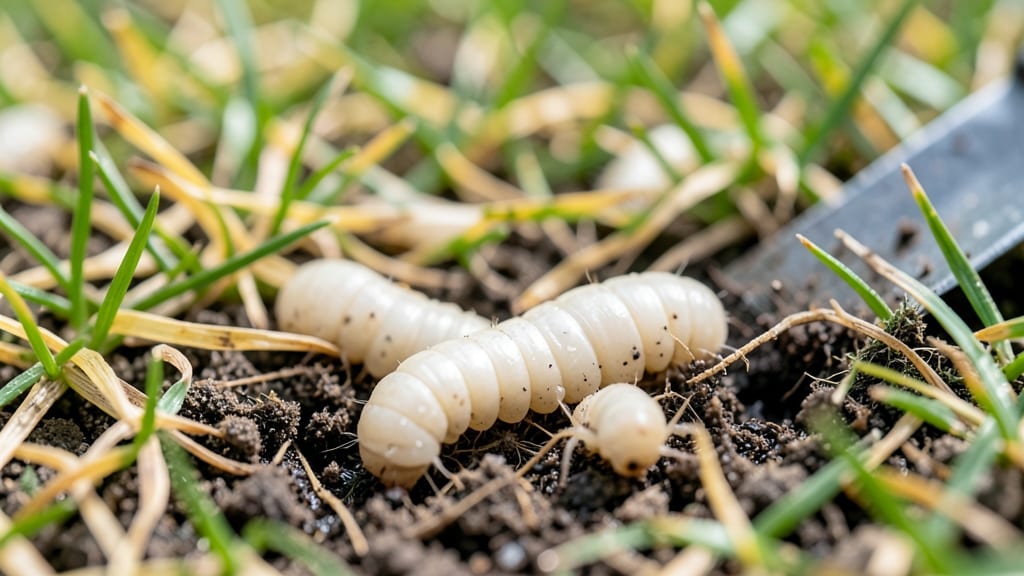
Finding white, squirming maggots in your lawn is the last thing you want after mowing—especially when they’re actually grubs feasting on your grass roots. 🌱 I’ve dealt with these creepy crawlers more times than I’d like to admit, and I’ve cracked the code on how to eliminate them fast without harsh chemicals that harm your yard long-term.
The problem usually starts with overwatering or thick layers of organic debris (think fallen leaves or grass clippings) that create the perfect breeding ground for grubs.
Left unchecked, these pests can turn your lush lawn into a patchy, brown mess within weeks—but the good news is that you can tackle them in 48 hours with the right approach.
You’ll learn how to identify the maggots, use targeted treatments (both organic and chemical options), and implement preventive measures that keep your lawn healthy year-round.
The key is acting fast—once you spot them, the damage spreads quickly, but with the right steps, you can restore your grass to vibrant green in no time.
Whether you’re dealing with a small patch or a full lawn invasion, this method works for any grass type and climate. Let’s get your soil back to grub-free in just two days—no more squirming surprises when you mow!
The hidden triggers behind wriggling grubs
If you’ve ever spotted tiny, squirming maggots in your lawn—especially after mowing or watering—you’re not alone. These uninvited guests aren’t just random pests; they’re the larvae of flies, and their presence is almost always tied to specific conditions in your yard.
Understanding why they show up is the first step to kicking them out for good. Let’s break down the science behind their sudden appearances, so you can tackle the root causes like a lawn-care pro.
Grubs thrive in moist, nutrient-rich soil—basically, the perfect environment for their survival. If your lawn gets too much water (especially shallow, frequent watering) or an excess of nitrogen-heavy fertilizer, you’re essentially rolling out the red carpet for these larvae.
- Why it happens: Grubs need moisture to breathe through tiny tubes in their bodies. Overwatering keeps soil saturated, while over-fertilizing provides the protein they crave (yes, they’re eating your grass roots!).
- Science alert: Female flies lay eggs in damp soil, and within days, those eggs hatch into maggots that burrow into the roots. If your lawn stays soggy for more than a few hours after watering, you’re creating an all-you-can-eat buffet for them.
- Actionable fix:
- Water deeply but infrequently—aim for 1–1.5 inches per week, including rain.
- Switch to a slow-release fertilizer and avoid high-nitrogen spikes in summer.
- Test your soil’s drainage—if water pools after 6+ hours, amend with sand or compost.
That layer of spongy, dead grass between your soil and green blades? It’s called thatch, and it’s a grubs’ paradise. Thatch traps moisture, blocks sunlight, and provides a soft, protected space for larvae to munch on roots without predators noticing.
- Why it happens: Thatch thicker than ½ inch creates a microclimate where grubs can hide from birds, beetles, and other natural enemies. Plus, it insulates the soil, keeping it warm and damp—ideal for egg-laying flies.
- Science alert: Female flies use their sense of smell to locate thatchy areas. The more thatch, the more eggs they’ll drop, leading to a maggot explosion.
- Actionable fix:
- Dethatch your lawn in early spring using a rake or vertical mower (set blades to ¼ inch).
- Overseed bare spots to thicken grass, which outcompetes thatch.
- Avoid high-nitrogen fertilizers, which accelerate thatch growth.
You might not see them, but adult flies—like the Japanese beetle or masked chafer—are the real villains. These insects lay eggs in your lawn, and within weeks, those eggs hatch into the maggots you’re battling.
If your yard is a hotspot for adult flies, you’ll have a grub problem every summer.
- Why it happens: Female flies seek out lawns with:
- Soft, moist soil (easy to dig into).
- Plenty of grass roots (their larvae’s food source).
- Warm temperatures (they’re most active in late spring to early summer).
- Science alert: Some species, like the June bug, time their egg-laying to coincide with peak grass growth. Others, like the black turfgrass ataenius, prefer wetter conditions.
- Actionable fix:
- Monitor adult fly activity in May–June—look for chewed leaves or flying beetles.
- Use beneficial nematodes (like Heterorhabditis bacteriophora) to kill larvae before they hatch.
- Install fly traps (like pheromone traps) to reduce adult populations.
Grubs are cold-blooded, meaning they’re highly sensitive to temperature. If your lawn stays warm and stagnant—especially in shaded or low-traffic areas—they’ll multiply like crazy. Think of it as their version of a tropical vacation.
- Why it happens: Soil temperature above 65°F (18°C) triggers egg-hatching and larval growth. Shady spots, compacted soil, or thick mulch layers can create these warm, moist pockets.
- Science alert: Grubs in warmer soil grow faster and reach harmful numbers quicker. A single female can lay 50+ eggs, and those eggs hatch in 3–10 days under ideal conditions.
- Actionable fix:
- Improve airflow with core aeration (especially in compacted areas).
- Mow high (3–4 inches) to shade soil and reduce heat buildup.
- Use organic mulch sparingly—thick layers trap heat and moisture.
Pro tip: 🔍 Spot-check your lawn for grubs by lifting a small section of sod. If you see 3+ grubs per square foot, it’s time to act—before they turn your lawn into a Swiss cheese of roots!
Quick Fixes for Wormy Grass
Discovering maggots wriggling in your lawn can feel like a nightmare—especially when you’re trying to keep your yard lush and healthy. The good news? With the right approach, you can eliminate grubs and maggots fast while preventing future infestations.
Below, we break down targeted solutions based on the root cause of your problem, from overwatering to poor drainage, and even pet waste buildup. Each fix is designed to be practical, effective, and easy to execute—even for beginners.
If your lawn stays soggy for days after rain or watering, it’s an open invitation for grubs and maggots. Excess moisture creates the perfect breeding ground, and grubs thrive in damp soil. Here’s how to dry it out and disrupt their lifecycle:
💦 Reduce Watering Frequency
- Water deeply but less often: Aim for 1–1.5 inches per week (including rainfall). Use a rain gauge or tuna can to measure accurately.
- Water in the early morning: This allows grass to dry faster, reducing humidity near the roots.
- Check soil moisture: Stick a screwdriver into the ground—if it goes in easily, you’re overwatering. Wait until it’s slightly resistant.
🌡️ Improve Drainage
- Aerate compacted soil: Rent a core aerator (or hire a pro) to create holes for water and air to flow freely. Do this in early fall or spring.
- Add organic matter: Mix in compost or peat moss to loosen heavy clay soil. This helps water drain instead of pooling.
- Grade your lawn: If water pools in low spots, use topsoil to slope the area away from your house or walkways.
✨ Pro Tip:
If your lawn has thatch buildup (a spongy layer between grass and soil), dethatch in late spring or early summer. Thatch traps moisture, speeding up grub activity. Use a thatching rake or vertical mower set to ¼-inch depth.
If you’ve spotted white grubs (the larvae stage of beetles) or maggots, it’s time for targeted action. These pests chew on roots, turning your lawn into a patchy eyesore. Here’s how to flush them out:
🔪 Apply Beneficial Nematodes (Eco-Friendly)
- What they do: Microscopic worms called Heterorhabditis bacteriophora seek out and kill grubs naturally.
- How to use:
- Buy nematodes online or at garden centers (look for brands like Nemex or Scotts GrubEx).
- Mix with water (follow package instructions) and apply with a hose-end sprayer in the evening (they die in sunlight).
- Water lightly after application to help them move into the soil.
- Best time: Late summer to early fall (when grubs are young and vulnerable).
👨🍳 Use Chemical Grub Control (Fast Action)
- Best products: Look for imidacloprid (e.g., Merit) or chlorantraniliprole (e.g., Scotts GrubEx).
- How to apply:
- Follow label instructions for granular or liquid treatments.
- Water the lawn lightly after application to activate the chemical.
- Reapply in 8–12 weeks if grubs return.
- ⚠️ Safety note: Wear gloves and avoid treating lawns where kids or pets play for 24–48 hours.
🥘 DIY Milky Spore Treatment (Long-Term Prevention)
- What it does: Bacillus popilliae (milky spore) is a natural bacteria that targets Japanese beetle grubs.
- How to use:
- Purchase milky spore powder (e.g., GrubCheck).
- Mix with water and apply to the lawn in early summer.
- It takes 2–3 years to establish but provides decades of protection afterward.
Once you’ve kicked the grubs out, keep them from moving back in with these low-maintenance strategies:
💡 Choose Grub-Resistant Grass
- Best options: Tall fescue, Kentucky bluegrass, or zoysia are less appealing to grubs than St. Augustine or Bermuda grass.
- Pro tip: If reseeding, mix in 10% white clover—it repels grubs naturally!
🎯 Encourage Natural Predators
- Birds: Attract robins, skunks, and moles by planting native berry bushes or installing a birdbath.
- Ground beetles: These insects eat grubs! Avoid pesticides that harm them.
- Toads & frogs: Add a small pond or shallow dish of water to your yard.
🚫 Avoid Pet Waste Overload
- Why it matters: Dog urine and feces contain nitrogen, which attracts grubs. If you have a doggy potty spot, rinse the area with water after cleanup.
- Alternative: Use peat moss or sand in high-traffic pet zones to reduce moisture buildup.
✨ Seasonal Maintenance Checklist
| Season | Task |
|---|---|
| Spring | Apply milky spore or nematodes. Aerate if soil is compacted. |
| Summer | Water deeply but infrequently. Mow high (3–4 inches) to shade roots. |
| Fall | Treat with chemical grub control (if needed) or overseed with resistant grass. |
| Winter | Leave grass clippings as mulch to improve soil health. |
With these fixes, you can turn your lawn back into a grub-free paradise in under 48 hours—and keep it that way for good. Start with the most relevant solution for your yard, and soon you’ll be enjoying a thick, green carpet instead of a maggot buffet! 🌿💚
Frequently asked questions
Are those white worms in my lawn really harmful to my grass?
Yes, they can be! Those squiggly white maggots are usually grubs—the larvae of beetles—that chew on grass roots. When there are 3+ grubs per square foot, they can kill patches of grass within weeks. The good news is they’re easy to spot and treat before major damage occurs.
What’s the fastest way to get rid of maggots in my lawn?
For immediate results, use beneficial nematodes (like Heterorhabditis bacteriophora) or a chemical treatment with imidacloprid. Apply in the evening, water lightly, and repeat in 8-12 weeks if needed. Organic options like milky spore take longer but prevent future infestations.
Can I just rake up the maggots and be done with them?
Raking helps, but it’s not enough! Maggots burrow deep, and you’ll miss most of them. The real fix is addressing the moisture and organic matter they thrive in. After removing visible maggots, improve drainage, reduce watering, and apply a targeted treatment to stop the cycle.
Why do maggots keep coming back even after treatment?
They often return because the root causes—like overwatering, thatch buildup, or high-nitrogen fertilizer—aren’t fixed. Focus on deep, infrequent watering, aeration, and seasonal treatments (like milky spore in summer). Adult flies will keep laying eggs if conditions stay ideal.
Are there natural predators that can help control maggots?
Birds like robins, skunks, and moles love eating grubs. Attract them with birdbaths, berry bushes, or even a small pond. Ground beetles and toads also help—just avoid broad-spectrum pesticides that kill these helpful critters.