
Plants
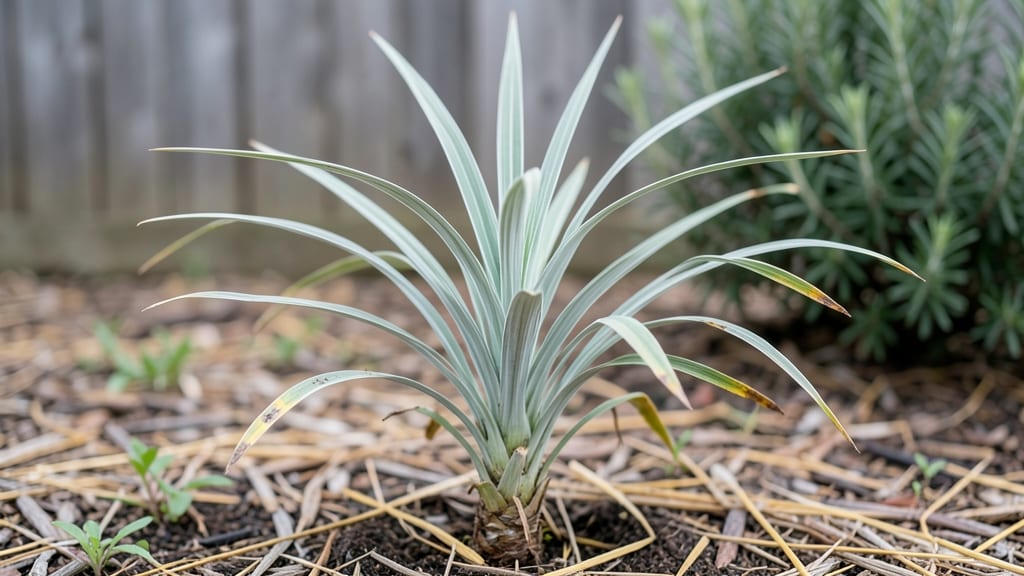
Lemon grass identification relies on its long, slender stalks, pale yellow bases, and distinctive citrusy aroma when crushed. The leaves grow in a fan shape from a thick, fibrous root system, and mature stalks often reach 3-5 feet tall.
When you're trying to confirm you've got the real deal, the first thing to check is the stalk's texture—lemon grass should feel tough and fibrous, almost like a bamboo shoot, while its close cousins like citronella tend to be softer. 🌿 The pale yellow base is another dead giveaway, as it contrasts sharply with the green leaves, which fan out in a way that's hard to mistake once you know what to look for.
If you're still unsure, a quick sniff test works wonders: crush the base and inhale that bright, lemony scent—it's unmistakable once you've experienced it.
The root system is where things get really telling—lemon grass roots are thick and knobby, almost like a gnarled finger, while other plants often have thinner, more delicate roots. This fibrous structure is what makes it so sturdy in cooking, holding up well even when chopped fine.
Plus, if you're growing it yourself, pay attention to how it thrives in warm climates; it can grow surprisingly tall, sometimes even reaching 5 feet in ideal conditions, which is a dead ringer for its true identity.
💡 In This Article
- Distinguishing Lemon Grass from Similar Smelling Plants
- Best Ways to Confirm Lemon Grass in Your Garden
Distinguishing lemon grass from similar smelling plants
The key to telling lemon grass apart from look-alikes like citronella or ginger lies in its unique stalk anatomy.
Lemon grass stalks have three distinct sections: the pale yellow base (where the flavor concentrates), the green leafy portion (growing in a tight fan), and the fibrous root that feels like a thick, knobby knob.
Citronella, by contrast, has a softer, more hollow stalk with a milder, almost camphor-like scent, while ginger roots are fleshy and segmented with no pale base. This structural difference explains why lemon grass holds up so well in cooking—its dense fibers resist breaking down during prolonged simmering.
Scent intensity is your best friend when identifying these plants. Crush the base of a stalk: genuine lemon grass releases a bright, citrusy aroma that's immediately recognizable, with hints of peppery notes.
Citronella smells more like lemon-eucalyptus cross, almost medicinal, while ginger releases a warm, spicy fragrance with no citrus undertones. The chemical reason?
Lemon grass contains citral (a terpene compound) at concentrations of 70-85% in its essential oil, which is why it's so potent—just 1 teaspoon of crushed base can perfume an entire kitchen. This high citral content also makes it more effective as a natural insect repellent than citronella.
For gardeners, these differences matter because they determine plant care and yield. Lemon grass thrives in full sun with well-draining soil and can reach 3-5 feet tall, while citronella prefers partial shade and stays shorter.
The root thickness also affects harvesting: lemon grass roots are 2-3 inches in diameter at the base, while citronella's are slender and tapered.
Chefs care because the flavor profile shifts—lemon grass adds bright, lemony depth to curries and soups, while citronella leans more herbal and floral, better suited for teas or potpourris.
Texture is another dead giveaway. Run your fingers along a stalk: lemon grass feels rough and fibrous, almost like sandpaper, due to its silica-rich cell walls. Citronella is smooth and slightly waxy, while ginger's stalks (if present) are soft and segmented.
This texture difference comes from how each plant stores nutrients—lemon grass concentrates them in its fibrous stalks for survival in tropical climates, while ginger stores energy in its thick rhizomes.
For cooking, this means lemon grass can be finely chopped without losing structure, while ginger must be minced or grated to release its oils.
Here's a quick comparison table to help visualize the differences:
- Lemon Grass: Pale yellow base, rough stalk, citrusy scent, 3-5 ft tall, fibrous root
- Citronella: Green base, smooth stalk, camphor scent, 2-3 ft tall, thin root
- Ginger: No pale base, soft stalk, spicy scent, 1-2 ft tall, thick rhizome
The bottom line? If you're hunting for lemon grass, focus on the combination of pale base, rough texture, and intense citrus scent. These traits don't just help with identification—they're what make it the star ingredient in Thai green curry or Vietnamese pho. 💫