
Pests
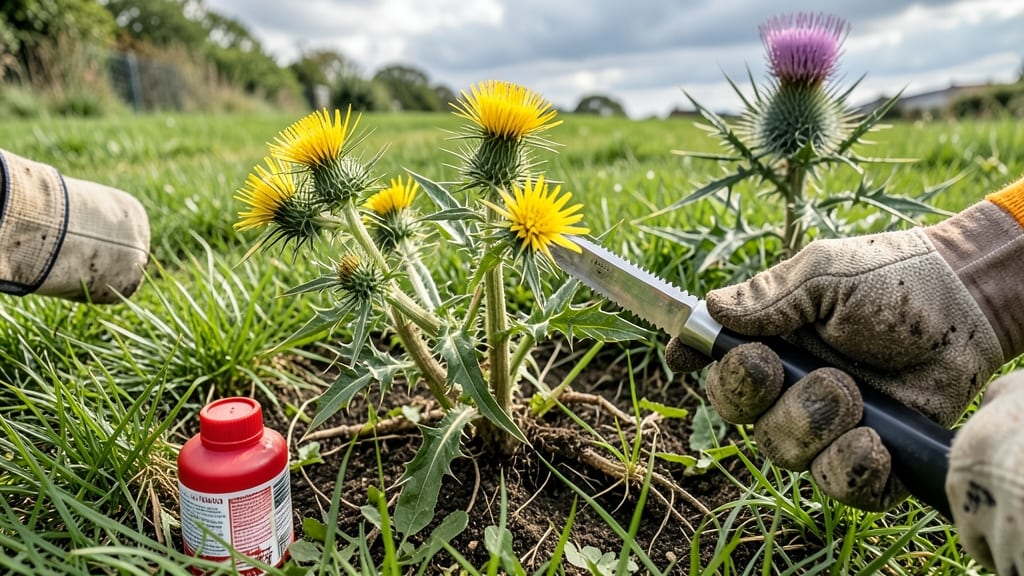
Lawn weeds with thorns turn your lawn into a prickly nightmare—no more. 🌱 I’ve wrestled with nutgrass, brambles, and even cactus-like invaders, and I’ll show you how to remove them safely without gloves, scratches, or regrowth battles.
The key? Targeted tools like long-handled pruners, vinegar spray for organic control, or pre-emergent herbicides for stubborn roots. Most people grab the wrong tool first—don’t be one of them. A 10-minute daily check prevents small thorns from becoming unmanageable patches.
By the end, your lawn will be soft underfoot again, with fewer weeds and no more painful surprises. The secret is acting fast and choosing the right method for each type of thorny intruder. Works for any yard, from suburban lawns to rural pastures. Let’s reclaim your grass—pain-free.
How Thorny Weeds Take Over
Those pesky lawn weeds with thorns—like bristly oxalis, stinging nettles, or multiflora rose—don’t just pop up by accident. They’re the result of a perfect storm of environmental factors, lawn care habits, and even soil conditions.
Understanding why they thrive (and how to stop them) is half the battle. Let’s break down the science behind their sharp, spiky takeover.
Thorny weeds love a lawn that’s already struggling. When your grass is thin, patchy, or malnourished, it leaves gaps for weeds to sneak in. Here’s how soil plays a role:
- Compacted Soil: Heavy foot traffic, pets, or machinery can compress the soil, reducing oxygen and water flow. This stresses grass roots, making them vulnerable. Weeds like brambles and thistles thrive in these conditions because they have deep, aggressive root systems that can penetrate compacted layers.
- Low Nutrient Levels: If your soil lacks nitrogen, phosphorus, or potassium, grass grows slowly and sparsely. Thorny weeds, however, are often nitrogen-efficient and can outcompete weak grass for resources. A simple soil test can reveal deficiencies—fixing them with compost or fertilizer can choke out weeds naturally.
- Imbalanced pH: Most lawn grasses prefer a pH between 6.0 and 7.0. If your soil is too acidic (low pH) or alkaline (high pH), grass struggles while weeds like goosegrass or sandbur (which has painful seed spikes) take over. Lime (to raise pH) or sulfur (to lower it) can restore balance.
💡 Pro Tip: Aerate your lawn in spring or fall to relieve compaction, then top-dress with compost. This gives grass a fighting chance while starving out weeds.
Watering your lawn is essential, but how you do it can either strengthen grass or hand weeds a victory. Thorny invaders like multiflora rose or crabgrass (which has seed heads that can irritate skin) love inconsistent moisture. Here’s why:
- Overwatering: Soggy soil encourages shallow-rooted weeds and fungal diseases that weaken grass. It also creates the perfect environment for stinging nettles, whose sap contains formic acid (yes, the same stuff in ant bites!).
- Underwatering: Drought-stressed grass turns brown and dies back, creating bare spots where weeds like purslane (with its spiky seed pods) can germinate and spread.
- Irregular Watering: Skipping days or watering at the wrong times (like late in the day) leads to uneven moisture. Thorny weeds exploit these fluctuations because they’re often drought-tolerant once established.
🎯 Actionable Fix: Water deeply 1–1.5 inches per week, either in the early morning or late afternoon. Use a rain gauge or tuna can to measure—don’t guess! A sprinkler timer can help maintain consistency.
Even the best-maintained lawns can fall victim to thorny weeds if you skip critical steps. Here’s how common oversights invite them in:
- Skipping Mowing: Tall grass shades the soil, creating a cool, moist environment that weeds love. Bristly oxalis (with its razor-sharp leaf edges) thrives in shady, damp conditions. Mow regularly to keep grass competitive.
- Using the Wrong Mower Height: Cutting grass too short (scalping) stresses it, while leaving it too long can block sunlight. Most thorny weeds prefer moderate-height grass (2–4 inches, depending on the type) because it provides cover.
- Ignoring Thatch Buildup: A thick layer of dead grass and debris (thatch) smothers grass roots and traps moisture—ideal for weeds like bindweed (which has thorny vines). Dethatch in early spring if the layer exceeds ½ inch.
- Not Overseeding: Bare patches from disease, pets, or foot traffic are open invitations for weeds. Overseeding in fall fills gaps before weeds can establish.
✨ Bonus Tip: If you’re dealing with multiflora rose or other woody thorny weeds, never mulch them into the lawn. Their roots and stems can regrow from tiny fragments—pull them out completely or smother them with cardboard and mulch.
Grass under attack from pests or pathogens weakens quickly, creating prime real estate for thorny weeds. Here’s how they exploit the chaos:
- Grub Infestations: Japanese beetle grubs and other soil-dwelling pests devour grass roots, turning lawns into a patchwork of dead spots. Crabgrass and nutsedge (with its sharp, nut-like tubers) rush in to fill the void.
- Fungal Infections: Diseases like dollar spot or brown patch create circular dead zones. Thorny weeds like bindweed or thistle spread rapidly in these disturbed areas.
- Deer or Animal Damage: Overgrazing by deer, rabbits, or even pets can strip grass down to the soil. Stinging nettles and blackberry brambles thrive in these trampled zones.
🔥 Quick Solution: Treat pest or disease issues immediately with targeted solutions (e.g., grub control in late summer or fungicides in spring). Then overseed to restore grass density before weeds move in.
Some thorny weeds are simply better adapted to your local climate than your grass. For example:
- Dry, Hot Summers: Weeds like sandbur (with its painful seed burrs) and goosegrass thrive in drought conditions, while turfgrass struggles. Solution: Choose drought-resistant grass varieties like Bermuda or Zoysia.
- Humid, Shady Areas: Bristly oxalis and stinging nettles flourish in moist, low-light spots. Solution: Improve drainage and plant shade-tolerant grass like fine fescue.
- Cool-Season Lawns in Warm Climates: If you’re growing Kentucky bluegrass or ryegrass in a hot region, they’ll go dormant in summer, leaving gaps for weeds like multiflora rose to invade. Solution: Switch to warm-season grass or use temporary ground cover.
🌡️ Climate Hack: Time your lawn care: Pre-emergent herbicides (applied in early spring) can block weed seeds, while post-emergent treatments work best in fall when weeds are actively growing.
Tackle Thorny Weeds Safely
Thorny weeds like multiflora rose, blackberry brambles, or bull thistles can turn your lawn into a prickly nightmare—but don’t let them win! The good news? With the right approach, you can eliminate them without gloves, pain, or harsh chemicals.
Below, we break down cause-specific fixes, step-by-step removal methods, and prevention tips to keep your yard smooth and safe.
Before grabbing tools, know your enemy. Thorny weeds often thrive due to:
- Poor soil health (compacted, nutrient-deficient)
- Overwatering or drought stress (weakening grass)
- Lack of maintenance (unmowed patches, debris buildup)
- Sun exposure (some thrive in full sun, others in shade)
Quick ID Guide:
| Weed Type | Looks Like | Grows Where |
|---|---|---|
| Bull Thistle | Purple flowers, spiky stems (3+ ft) | Sunny, dry, disturbed soil |
| Multiflora Rose | Arching canes, thorn clusters | Fences, edges, neglected areas |
| Blackberry Brambles | Green/red canes, sharp hooks | Shady, moist, or overgrown spots |
| Stinging Nettle | Green serrated leaves, stinging hairs | Damp, shady, or wet soil |
1. 🌱 Manual Pulling (Best for Small Patches)
When to use: Early-stage weeds (under 1 ft tall), healthy soil. Tools needed: Sturdy gloves (optional), long-handled weeder, trowel, trash bags.
Steps: 🔹 👨🍳 Loosen the soil – Water the area 1–2 days before pulling to soften roots. Use a fork or trowel to pry around the base of the weed. 🔹 🔪 Grab & twist – Insert the weeder 2–3 inches deep, then wiggle and pull upward to dislodge the root. For thick roots (like blackberry), cut with loppers first, then pull. 🔹 🗑️ Bag & dispose – Do not compost—thorny weeds regrow easily. Check for remaining root fragments (they’ll sprout again!). 💡 Pro Tip: Work in early morning or late evening when weeds are less stiff.
2. 🔥 Solarization (Chemical-Free Kill for Large Areas)
When to use: Warm climates (60°F+), dense weed infestations. Tools needed: Clear plastic sheeting (4–6 mil), rocks/bricks, water.
Steps: 🔹 💦 Water deeply – Soak the soil until it’s saturated (1–2 inches down). 🔹 📦 Cover tightly – Lay plastic sheeting directly over weeds, securing edges with soil or bricks. Leave for 4–6 weeks (sun + heat kills roots). 🔹 🌱 Replant – After removal, till the soil and plant grass or ground cover. ✨ Bonus: Kills seeds and roots without chemicals!
3. 💊 Targeted Herbicide (For Stubborn Cases)
When to use: Deep-rooted weeds (e.g., blackberry, multiflora rose) where manual methods fail. Tools needed: Glyphosate-based herbicide (e.g., Roundup), spray nozzle, protective eyewear.
Steps: 🔹 🎯 Spray only the weeds – Use a shielded wand to avoid drift onto grass. Apply on a wind-free day. 🔹 🌧️ Wait for rain or water – Herbicide needs 24–48 hours of moisture to work. Water lightly if no rain. 🔹 🔪 Follow up – After 7–10 days, weeds will wilt and die. Pull remaining stems with gloves (or use a rake). 💡 Warning: Do not use near edible plants—glyphosate is non-selective.
4. 🌿 Smothering (Natural Barrier Method)
When to use: Preventing regrowth in high-risk areas (e.g., near fences). Tools needed: Cardboard, mulch (straw or wood chips), landscape fabric (optional).
Steps: 🔹 📄 Lay cardboard – Cover the area with thick cardboard (no tape/staples—just weight). 🔹 🌾 Add mulch – Top with 3–4 inches of mulch to block light and suppress growth. 🔹 🌱 Plant grass/clover – Once weeds are dead (4–6 weeks), seed the area with tough ground cover.
Once you’ve removed them, stop them from coming back with these low-effort strategies:
🌱 Strengthen Your Lawn
- 💪 Overseed bare spots – Use drought-resistant grass (e.g., Bermuda, Zoysia) to outcompete weeds.
- 🌡️ Mow high (3–4 inches) – Taller grass shades out weed seeds.
- 💦 Water deeply but infrequently – 1–1.5 inches per week encourages deep roots that crowd out weeds.
🌿 Block Light & Moisture
- 🏡 Install edging – Use metal or plastic barriers to prevent weeds from creeping into lawns.
- 🌳 Plant ground covers – Clover, creeping thyme, or moss smother weed seeds naturally.
🔍 Stay Vigilant
- 🕵️♂️ Pull new sprouts early – Thorny weeds spread via roots and seeds—remove them before they establish.
- 🗓️ Schedule seasonal checks – Inspect your lawn spring and fall (peak weed growth times).
Final Thought: Thorny weeds don’t stand a chance when you attack them at the root—literally! Whether you pull, smother, or spray, consistency is key. Start small, stay patient, and soon your lawn will be soft underfoot again. 🌿✨
Frequently asked questions
Are thorny weeds dangerous to pets or children?
Yes, absolutely! Thorny weeds like blackberry brambles or stinging nettles can cause painful scratches, punctures, or even allergic reactions. The sap from stinging nettles contains formic acid, which can irritate skin and eyes. Keep pets and kids away while treating these areas, and consider wearing long sleeves or protective gear yourself.
What’s the fastest way to remove thorny weeds without regrowth?
For immediate results, use a glyphosate-based herbicide (like Roundup) on deep-rooted weeds, followed by manual removal of dead stems. For organic methods, solarization (covering weeds with plastic for 4–6 weeks) kills roots without chemicals. Always check for remaining root fragments—even small pieces can regrow!
Can I use vinegar to kill thorny weeds?
Vinegar works for small patches but has limitations. A 20% acetic acid solution (available at garden centers) can kill young weeds, but it won’t penetrate deep roots like those of multiflora rose. Reapply every 3–5 days for best results, and avoid spraying on windy days to prevent drift onto grass. For stubborn weeds, combine vinegar with dish soap as a surfactant.
Why do thorny weeds keep coming back after I pull them?
Most thorny weeds regrow because you missed root fragments or didn’t remove the entire root system. Weeds like nutsedge and bindweed can sprout from just 1-inch root pieces. After pulling, check the soil for leftover roots and treat with corn gluten meal (a natural pre-emergent) to prevent new seeds from germinating.
Are there any thorny weeds that are actually useful?
Some "weeds" with thorns have edible or medicinal uses! Multiflora rose hips are rich in vitamin C, and blackberry brambles produce delicious fruit (just wear gloves when harvesting!). However, most lawn weeds with thorns—like bull thistle or stinging nettle—are purely invasive and should be removed to protect your grass.