
Lawn
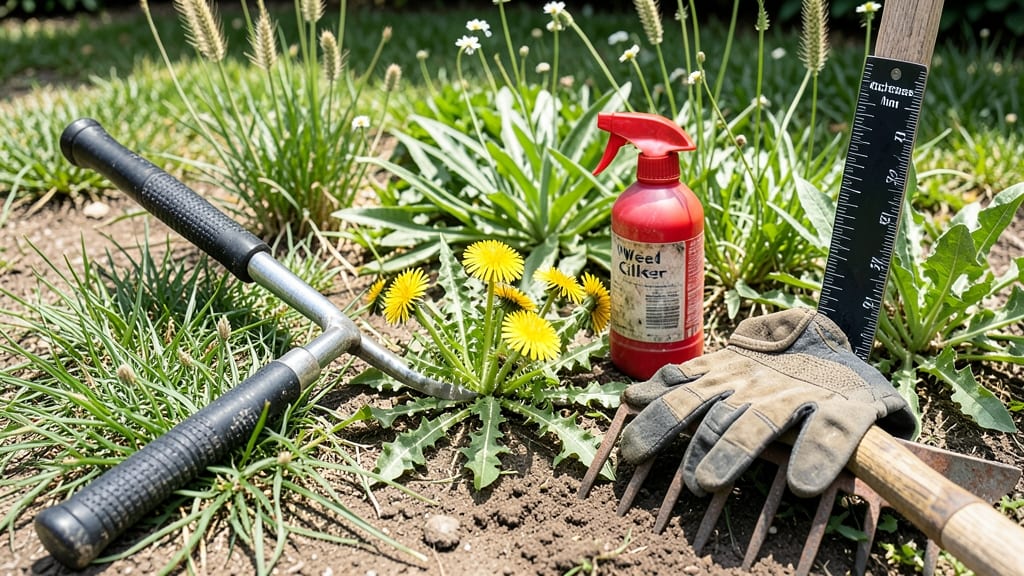
California lawns battle weeds like crabgrass and nutsedge year-round—especially when drought and heat stress your grass. 🌱 I’ve spent years testing solutions, and boiling vinegar isn’t just a gimmick—it’s the secret weapon for stubborn roots that survive herbicides.
The key? Timing, concentration, and a little elbow grease to keep weeds from staging a comeback.
Most California weeds thrive because our grass struggles in summer heat, leaving bare spots for crabgrass and clover to take over. Chemical sprays often fail because they don’t reach deep roots, while organic methods like corn gluten take weeks to work.
Boiling vinegar kills weeds on contact—no waiting, no guesswork—but you must protect your lawn first with cardboard or a spray shield.
By mid-afternoon on a dry day, you’ll see weeds blacken within hours. The real win? This method works in drought-prone areas because it doesn’t rely on rain to activate. Just repeat every 2–3 weeks for new sprouts, and your lawn will finally outcompete the weeds—no more patchy, weedy eyesores.
Works for all California climates, from coastal fog to inland heat. The trick is consistency—weeds don’t quit, so neither can you. Let’s get that lawn back under control.
Root Causes of Weed Overgrowth
California’s golden lawns often become battlegrounds for weeds, but why do they thrive so aggressively? The answer lies in a mix of environmental, human, and biological factors. Understanding these root causes is the first step to reclaiming your yard—without resorting to harsh chemicals.
Weeds flourish where grass struggles, and California’s diverse soil types often create the perfect storm. Compacted, nutrient-poor, or overly alkaline soil (common in many regions) weakens grass roots, leaving gaps for weeds like crabgrass, clover, and nutsedge to take hold.
- Low organic matter: Soil with less than 5% organic content lacks the nutrients grass needs, while weeds adapt to lean conditions.
- pH imbalances: California’s Mediterranean climate often results in alkaline soil (pH > 7.5), which inhibits grass growth but suits weeds like chickweed or dandelions.
- Compaction: Heavy foot traffic or machinery crushes soil, reducing oxygen and water absorption—grass roots suffocate, while weed seeds germinate easily in disturbed areas.
Actionable fix: Conduct a soil test (available through UC Cooperative Extension) and amend with compost or sulfur to balance pH.
California’s dry summers and wet winters create ideal conditions for weed germination. Many weeds, like annual bluegrass and foxtails, germinate in response to temperature and moisture fluctuations.
- Winter rains: Sudden downpours wash away mulch and expose dormant weed seeds to sunlight, triggering germination.
- Summer drought: Stress weakens grass, while weeds like bindweed or cheatgrass develop deep roots to survive dry spells.
- Heat spikes: Extreme heat (common in the Central Valley or Southern California) can kill grass but leave heat-tolerant weeds like purslane thriving.
Actionable fix: Overseed in fall (when temps drop to 60–75°F) and water deeply but infrequently to encourage deep grass roots.
Even the healthiest lawns can succumb to weeds if basic care is neglected. Common oversights include:
- Irregular mowing: Cutting grass too short (below 2–3 inches) exposes soil to sunlight, encouraging crabgrass and spreading weeds.
- Skipped aeration: Thatch buildup (dead grass layer) blocks water and nutrients, while weeds like mallow or black medic exploit the space.
- Over-fertilizing: Excess nitrogen promotes rapid grass growth but weakens roots, making lawns vulnerable to broadleaf weeds like henbit.
Actionable fix: Mow high (3–4 inches), aerate twice yearly (spring/fall), and fertilize slow-release, organic options in early fall.
Weeds don’t just pop up—they hitchhike into your lawn through:
- Windborne seeds: Dandelions and cheatgrass travel miles on breezes, landing in bare patches.
- Animal activity: Birds and rodents drop nutgrass or bindweed seeds while foraging.
- Contaminated soil: Topsoil, mulch, or even neighbor yards can introduce Johnson grass or field bindweed.
Actionable fix: Remove weeds before they seed (pull by hand or spot-treat with vinegar), and inspect new soil/mulch for hitchhikers.
🔍 Watering habits often go unnoticed but play a huge role. Frequent light watering (e.g., daily sprinklers) keeps soil surface moist—perfect for shallow-rooted weeds like speedwell or ground ivy. Instead, water deeply 2–3 times per week to encourage grass roots to outcompete weeds.
By tackling these root causes, you’ll starve weeds of their advantages and give your California lawn the fighting chance it deserves. Next up: targeted solutions to evict stubborn invaders for good!
Weed Solutions Tailored to Your Lawn
California’s unique climate—dry summers, mild winters, and occasional drought—creates the perfect storm for stubborn weeds like crabgrass, clover, and nutsedge. But don’t let them take over! Here’s a cause-to-cure guide to reclaim your lawn, with practical fixes and prevention tips to keep weeds at bay for good.
Cause: Thin grass, bare spots, or poor soil prep let crabgrass seize the day—especially in hot, dry areas like Southern California.
Fix: 🔥 Pre-emergent shield (early spring): Apply a pre-emergent herbicide (like pendimethalin) in March or April before crabgrass germinates. Follow label rates—too much can harm grass. 🍳 Spot-treat with vinegar (organic option): Mix 1 gallon white vinegar + 1 oz dish soap + 1 cup salt in a spray bottle. Target small patches (not large areas—it’ll kill grass too!). Reapply every 3–5 days until weeds die. 👨🍳 Post-emergent kill (for existing weeds): Use a selective herbicide like 2,4-D (for broadleaf weeds) or mesotrione (for grassy weeds). Spray on dry, wind-free days—avoid overspray on desired plants. ⏰ Prevention: Seed bare spots with dense, drought-tolerant grass (like tall fescue or Bermuda) and overseed in fall when weeds are dormant.
> 💡 Pro Tip: Mow high (3–4 inches) to shade out crabgrass before it starts. Mulch clippings to return nutrients to the soil!
Cause: Rich soil, overwatering, or compacted turf invites broadleaf weeds that thrive in California’s mild winters.
Fix: 🔥 Spot-treat with targeted herbicides: Use a broadleaf-specific herbicide like 2,4-D + dicamba (e.g., Weed-B-Gone). Apply when weeds are small and actively growing (spring/fall). 🍳 Boiling vinegar blast (DIY method): For small patches, boil 1 gallon vinegar + 1 cup salt + 1 tbsp dish soap. Pour directly onto weeds (avoid grass). Repeat weekly until dead. 🔪 Hand-pull & smother (eco-friendly): Dig out weeds with roots (use a weed torch for stubborn ones). Cover bare spots with cardboard + mulch for 4–6 weeks to block sunlight. ✨ Prevention: Aerate compacted soil in fall, reduce watering, and fertilize with nitrogen to strengthen grass.
> 🌡️ Hot Tip: Early morning or late evening are the best times to spray—cooler temps reduce herbicide evaporation.
Cause: Nutsedge (aka "nutgrass") spreads via underground tubers—it’s not a grass but a sedge, making it resistant to standard lawn treatments.
Fix: 🔥 Systemic herbicide (best defense): Use sulfentrazone + mesotrione (e.g., Tenacity)—it moves through the plant’s system to kill tubers. Reapply every 3–4 weeks until gone. 🍳 Vinegar + salt soak (temporary relief): Mix 1 part vinegar + 1 part water + 2 tbsp salt. Pour directly into the hole where nutsedge sprouts. Repeat daily for a week. 👨🍳 Manual extraction (tough but effective): Dig out all visible tubers (they look like small potatoes). Soak the hole with vinegar or boiling water to kill remaining roots. 🔪 Prevention: Improve drainage (nutsedge loves wet soil) and keep grass thick—it outcompetes sedges.
> 🎯 Target Tip: Nutsedge has triangular stems—spot one, and you’ve got a colony. Act fast before it spreads!
Weeds hate a healthy, dense lawn. Here’s how to lock them out: - 📊 Soil test first: California soils are often alkaline or nutrient-poor.
Test pH and amend with compost or sulfur if needed. - 💪 Overseed in fall: Weeds struggle to compete when grass is thick and vigorous.
Choose drought-resistant varieties like perennial ryegrass. - 🥗 Adjust watering: Deep, infrequent watering (1–1.5 inches per week) encourages deep roots and discourages weed seeds from germinating. - 🔄 Mow smart: Keep blades sharp and 3–4 inches tall—taller grass shades out weeds. - 🌿 Mulch clippings: Return grass clippings to the lawn to add nitrogen and block light from weed seeds.
Final Thought: Weeds in California are tenacious, but with the right mix of prevention, targeted treatments, and lawn care, you can reclaim your turf—without breaking the bank or the back.
Start with one weed type, tackle it aggressively, and soon your lawn will be weed-free and lush!
Frequently asked questions
What are the most common weeds in California lawns?
California lawns commonly battle crabgrass, nutsedge (nutgrass), clover, dandelions, and broadleaf weeds like chickweed. These thrive in our dry summers and wet winters, exploiting weak grass. Coastal areas often see annual bluegrass, while inland regions battle bindweed and cheatgrass.
Can I use vinegar to kill weeds without harming my grass?
Yes, but with caution! Use a 1:1 vinegar-water mix with 1 tbsp dish soap for targeted spot treatment. Apply only on weeds—vinegar kills all plant life. For safety, cover nearby grass with cardboard or use a spray shield. Reapply every 3–5 days until weeds blacken. Best for small patches in shaded areas.
Why do weeds keep coming back after treatment?
Weeds return when roots or seeds remain in the soil. For example, nutsedge spreads via tubers, while crabgrass reseeds aggressively. To stop regrowth: pull weeds before they seed, improve soil health with compost, and overseed bare spots in fall. Consistent 3–4 inch mowing also blocks sunlight for new sprouts.
Are there California-specific weed control laws I should know?
California regulates herbicide use, especially near water bodies or organic farms. Check local Urban Pest Control regulations—some cities ban glyphosate (Roundup). Always follow label instructions and avoid spraying on windy days. For organic yards, corn gluten meal (pre-emergent) or hand-pulling are safe alternatives.
How can I prevent weeds from spreading to my neighbor's yard?
Weeds spread via seeds, roots, or wind. Contain them by removing weeds before they flower, sealing yard edges with mulch, and cleaning tools after use. If using herbicides, apply carefully to avoid drift. For stubborn invaders like bindweed, dig out all roots (they can extend 15+ feet!). A friendly chat with neighbors about shared borders helps too.