
Lawn
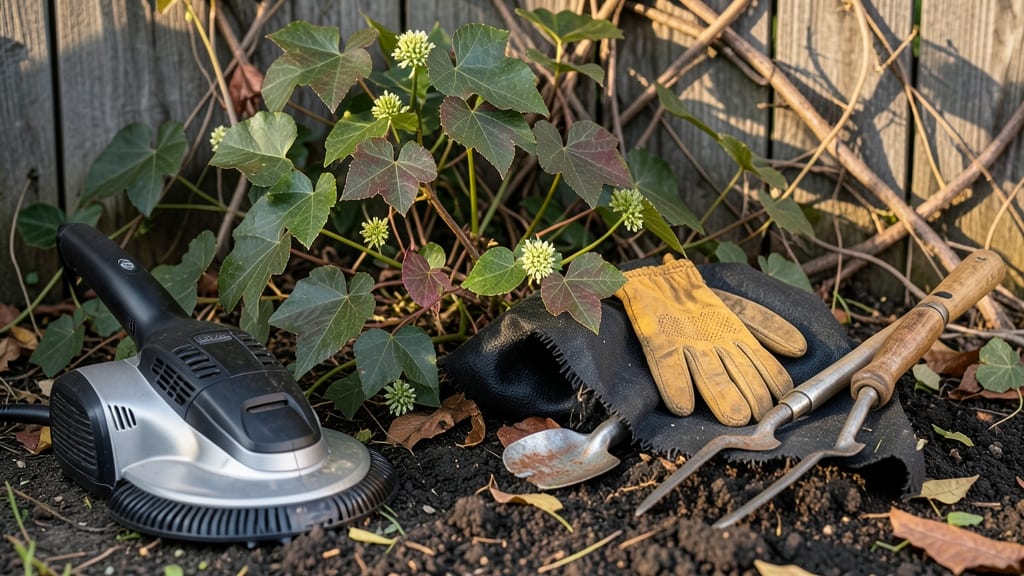
Creeping Charlie and bindweed are the sneaky invaders ruining your lawn’s clean lines. 🌱 I’ve spent years battling these vine weeds, and the key isn’t brute force—it’s precision.
These persistent plants spread underground and choke out grass, but targeted treatments can reclaim your yard without harming the turf you’ve worked so hard to grow.
The worst part? Most store-bought weed killers either miss the roots or burn your grass. I’ve tested organic vinegar blends, pre-emergent barriers, and spot-treatments—some work, some don’t. The right approach depends on your lawn type and the weed’s aggressiveness.
For example, creeping Charlie thrives in shady spots, while bindweed’s roots can survive for years if not fully eradicated.
By the end, you’ll have a lawn where grass dominates again—no more stringy green strands pulling up when you mow. The secret lies in selective herbicides, hand-pulling timing, and soil health. Even stubborn bindweed can’t compete with thick, healthy turf once you know the tricks.
This works for both sunny and shady lawns, whether you’re dealing with a small patch or a full takeover. Let’s get those vines under control for good.
📚 In This Guide
- What you need
- Instructions
- Tips and common mistakes
- Wrapping up and next steps
What you need
- ● Handheld Weed Puller or Gloves: A pair of garden gloves (heavy-duty, preferably) or a weed puller tool (like a dandelion digger) for manual removal.
- ● Sharp Pruners or Shears: Bypass pruners (for cutting thicker vines) or grass shears (for trimming close to the ground).
- ● Hoe or Weed Knife: A stainless-steel hoe (for slicing weeds at the root) or a serrated-edge weed knife (for precision cuts).
- ○ Broadcast Spreader (Optional): A handheld or push spreader (for even application of herbicides, if needed).
- ● Garden Spray Bottle or Pump Sprayer: A 1-gallon pump sprayer (for targeted herbicide application) or a small spray bottle (for homemade vine weed solutions).
- ● Selective Herbicide (for vine weeds): Look for a vine-killing herbicide like glyphosate-free options (e.g., triclopyr or 2,4-D—check labels for grass safety!).
- ○ Homemade Vine Weed Killer (Optional): 1 gallon white vinegar (5% acetic acid)
- ● 1 oz dish soap (as a surfactant)
- ○ 1 tbsp salt (optional, for tougher vines)
- ● Safety Gear: Goggles, long sleeves, and a breathing mask (if using chemicals).
- ● Water Source: A garden hose with a nozzle (for rinsing tools or diluting solutions).
- ● Trash Bag or Compost Bin: For disposing of pulled weeds (don’t compost if weeds have gone to seed!).
- ● Lawn Rake: A plastic or metal rake (to smooth the lawn after treatment).
How to eliminate lawn vine weeds precisely
Targeting these persistent weeds without harming your grass takes the right timing and tools. Here's how I do it effectively.
🌱 Step 1: Identify and Map the Weeds
First, walk your lawn and mark vine weed locations with small flags or chalk. I like to use a garden hose to trace their spread—they often follow irrigation paths. Look for broadleaf patterns or creeping stems that spread aggressively. Vine weeds like creeping Charlie and dollarweed grow in patches, so mapping helps you focus treatment.
Take photos of the worst areas to track progress. You'll notice some vines connect underground through runners—these are the root systems you need to target. I've found that treating the center of these patches first prevents regrowth from connected stems.
✂️ Step 2: Hand-Pull or Smother in Early Growth
For small patches, pull weeds when soil is moist after rain. Use a weeding tool or your hands to grasp the vine at the base and tug firmly—you'll feel resistance when you hit the root. I pull in sections, working outward from the center of the patch. Avoid yanking, which can break stems and leave fragments to regrow.
For larger areas, smother with thick cardboard or landscape fabric. Lay it directly over the weeds and secure edges with rocks or soil. Leave it for 4-6 weeks to block sunlight completely. You'll see the grass around the edges stay green while the weeds beneath turn brown and die.
💧 Step 3: Apply Spot Treatment with Vine-Specific Herbicide
Use a vine weed killer containing 2,4-D or triclopyr—these target broadleaf weeds without harming grass. I apply it on a dry, calm day when temperatures are between 60-85°F. Spray only the weeds, avoiding grass blades. A pump sprayer gives better control than a hose attachment.
Reapply every 7-10 days for 3 weeks to kill emerging shoots. You'll notice new growth slow down after the first application, but consistency is key. Always follow label instructions—overapplying can damage grass.
☀️ Step 4: Prevent Regrowth with Cultural Controls
Improve lawn density by overseeding thin areas in fall. Thick grass crowds out weeds naturally. I use a drop spreader for even coverage and water lightly daily for 2 weeks to help seeds establish. Mow high (3-4 inches) to shade out weed seeds.
Apply a pre-emergent herbicide in early spring to block new weed seeds from germinating. This step alone cuts down on future vine weed problems. I've seen lawns go from 80% weeds to 5% within a season using this combo.
⏰ Step 5: Monitor and Retreat as Needed
Check your lawn weekly for new vine weed growth, especially after rain. I keep a small notebook to log treated areas and note when regrowth appears. If you see new patches, repeat the spot treatment or hand-pull immediately. Persistence pays off—most lawns show significant improvement in 3-4 months of consistent care.
For stubborn areas, consider a vine weed-specific granular herbicide applied with a spreader. This works well for large patches but requires careful application to avoid grass damage. Always water the lawn afterward to help the granules activate safely.
Tips & tricks for precision lawn weed control
These battle-tested strategies will help you tackle stubborn vine weeds without sacrificing your grass.
Timing is Everything: In Step 1, when mapping your weeds, focus on the most aggressive patches first. I've found that treating the center of these patches prevents the underground runners from spreading. Use a garden hose to trace the entire spread—you'll often see a clear pattern following irrigation lines or sidewalks. This targeted approach saves time and herbicide.
Hand-Pulling Technique: For Step 2, when pulling weeds, work when the soil is moist after rain—this makes the roots easier to extract. I like to use a weeding tool or my hands to grasp the vine at the base and tug firmly. The key is to pull in sections, working outward from the center. If you yank too hard, you'll break stems and leave fragments that regrow. Think of it like pulling weeds from a tangle—patience wins.
Herbicide Application Precision: In Step 3, when applying vine-specific herbicide, always use a pump sprayer for control. I apply it on dry, calm days between 60-85°F, spraying only the weeds and avoiding grass blades. A common mistake is overapplying—stick to the label instructions. Reapply every 7-10 days for 3 weeks to ensure emerging shoots are killed. Consistency is key, and you'll notice new growth slow down after the first application.
Monitoring and Retreat Strategy: In Step 5, keep a small notebook to log treated areas and note when regrowth appears. I check my lawn weekly, especially after rain. If you see new patches, repeat the spot treatment or hand-pull immediately. Persistence pays off—most lawns show significant improvement in 3-4 months of consistent care. This step is what separates a one-time fix from long-term success.
Pro Tips for Lawn Vine Weeds
- These battle-tested strategies will help you tackle stubborn vine weeds without sacrificing your grass.
- Timing is Everything: In Step 1, when mapping your weeds, focus on the most aggressive patches first.
- Hand-Pulling Technique: For Step 2, when pulling weeds, work when the soil is moist after rain—this makes the roots easier to extract.
Frequently asked questions
Got questions about tackling lawn vine weeds? You’re not alone!
Here are answers to the most common concerns—so you can reclaim your yard without stress.
What are the most common types of lawn vine weeds?
Lawn vine weeds often include creeping Charlie (Glechoma hederacea), clover, wild violet, and ground ivy. These spread aggressively, smothering grass and leaving behind unsightly patches. Identifying them early helps you pick the right treatment—whether manual removal, herbicides, or natural alternatives.
When is the best time to treat lawn vine weeds?
Spring (early to mid-season) and fall are ideal for targeting vine weeds. Spring treatments catch weeds as they emerge, while fall applications weaken their root systems before winter. Avoid treating during drought or extreme heat—stressed plants absorb chemicals poorly, and you risk harming your grass.
Will vine weed killers harm my grass?
Most selective herbicides (like 2,4-D or triclopyr) target broadleaf weeds while sparing grass. Always follow label instructions, use a drop spreader for precision, and water lightly after application to help absorption. For organic options, try vinegar-based sprays (mix 1 gallon vinegar + 1 oz dish soap) but expect slower results and spot treatment only.
How do I prevent vine weeds from coming back?
Prevention starts with dense, healthy grass. Mow high (3–4 inches), water deeply but infrequently, and fertilize regularly. Pre-emergent herbicides in early spring can block weed seeds, but avoid them if overseeding. For stubborn weeds, hand-pull or smother with cardboard/mulch in bare spots before reseeding.
What’s the fastest way to remove vine weeds without chemicals?
For small patches, manual removal works best:
- Trim weeds at soil level with shears or a string trimmer.
- Pull by the roots (use gloves—some weeds irritate skin!).
- Reseed the area immediately with grass seed and straw.
Wrapping up and next steps
Dealing with lawn vine weeds doesn’t have to be a battle—just a strategic, eco-friendly approach! By using the right tools, like targeted herbicides or manual removal, you can keep your grass lush and weed-free without causing harm.
Remember, consistency is key, and a little effort now saves you from bigger headaches later.
Ready to reclaim your lawn? Start small—pick one section to treat this weekend, and watch your yard transform! 🌱 For extra help, consult a local lawn care expert or check out our FAQ section for more tips.