
Lawn
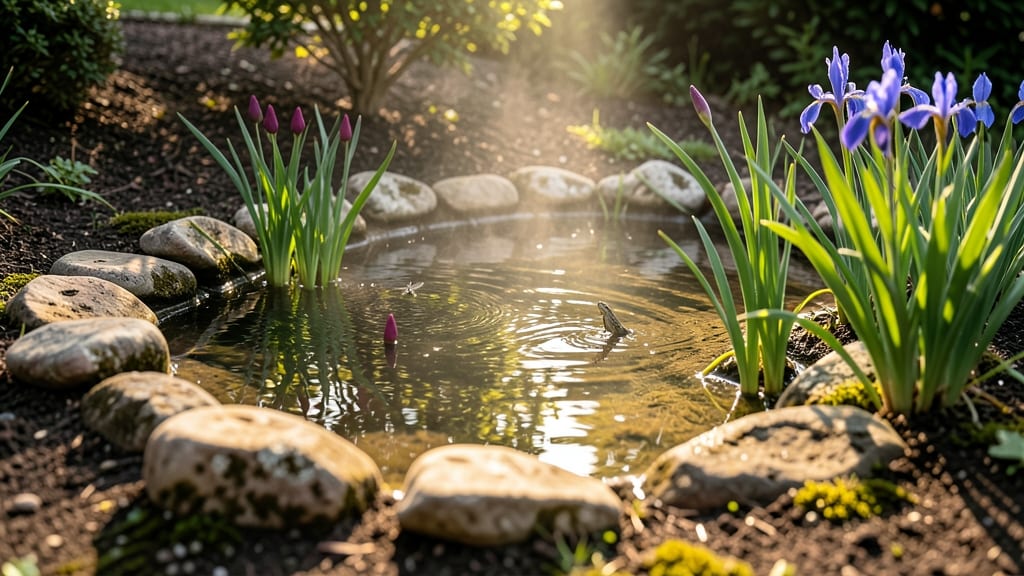
Tired of mowing endless grass? These 10 transformative lawn-to-garden ideas turn your yard into a thriving pollinator haven while slashing maintenance. Each design prioritizes native plants, water efficiency, and year-round beauty—perfect for eco-conscious homeowners.
Native Wildflower Meadow Conversion
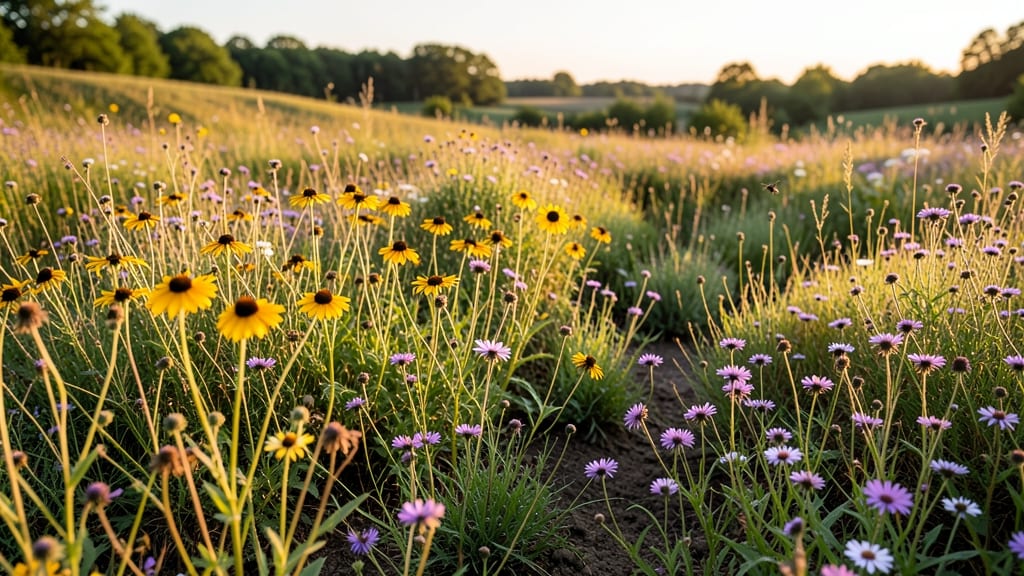
Turn your sun-drenched lawn into a buzzing ecosystem with a native wildflower meadow—where every bloom supports local pollinators while cutting your mowing time to zero. This low-effort transformation thrives in full sun and requires just a single season of prep to replace turf with resilient, drought-tolerant species like purple coneflowers and black-eyed Susans.
The secret? Skip the tilling—simply mow your existing lawn short, then spread wildflower seeds in late summer or early fall. These hardy plants self-seed annually, creating a self-sustaining meadow that blooms from June through October. Add a few native grasses like little bluestem for texture and winter interest, and watch as bees, butterflies, and birds move in within weeks.
Perfect for homeowners with large, open sunny spaces who want to reduce water bills and maintenance, this meadow requires no pesticides or fertilizers once established. Your yard becomes both a wildlife sanctuary and a stunning, ever-changing landscape. 🌻
Butterfly Garden with Host Plants
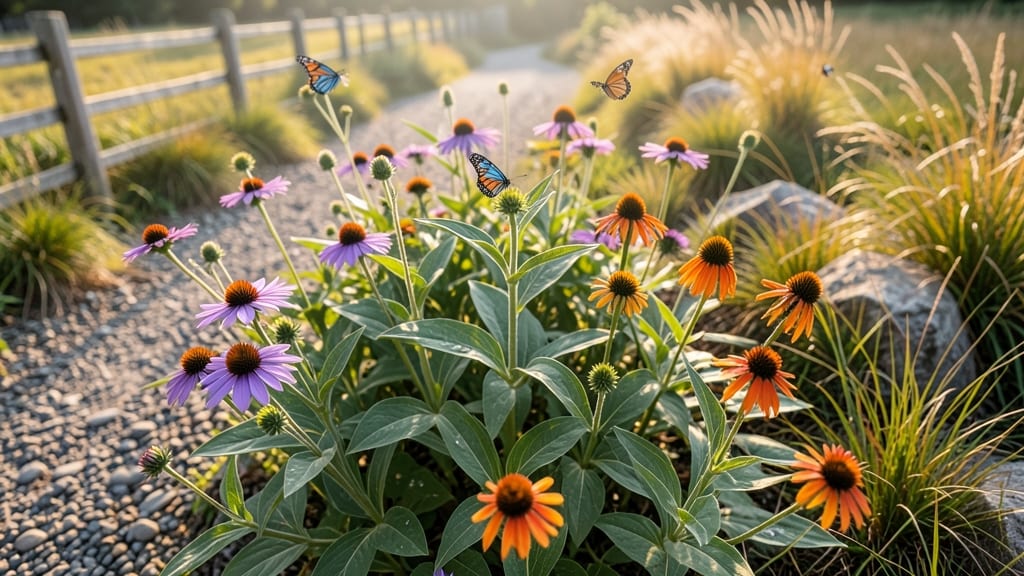
Want to turn your yard into a butterfly hotspot without needing acres of space? A butterfly garden with host plants is the perfect solution for lepidopterists—it’s all about creating a self-sustaining ecosystem where butterflies can lay eggs, feed, and thrive.
Start with milkweed as the star plant—it’s the only host for monarch caterpillars. Pair it with nectar-rich plants like lavender and salvia to support adult butterflies. Plant in clusters of 3–5 for maximum impact, and choose sunny spots (at least 6 hours of sun daily). This combo works in small beds, containers, or even along fences—ideal for urban or suburban yards.
This design isn’t just for experts: even beginners can create a thriving butterfly garden. The key is layering plants to provide food at every life stage, from caterpillars to adults. Watch your garden transform into a fluttering paradise in just one season! 🌻
Edible Pollinator Garden Beds
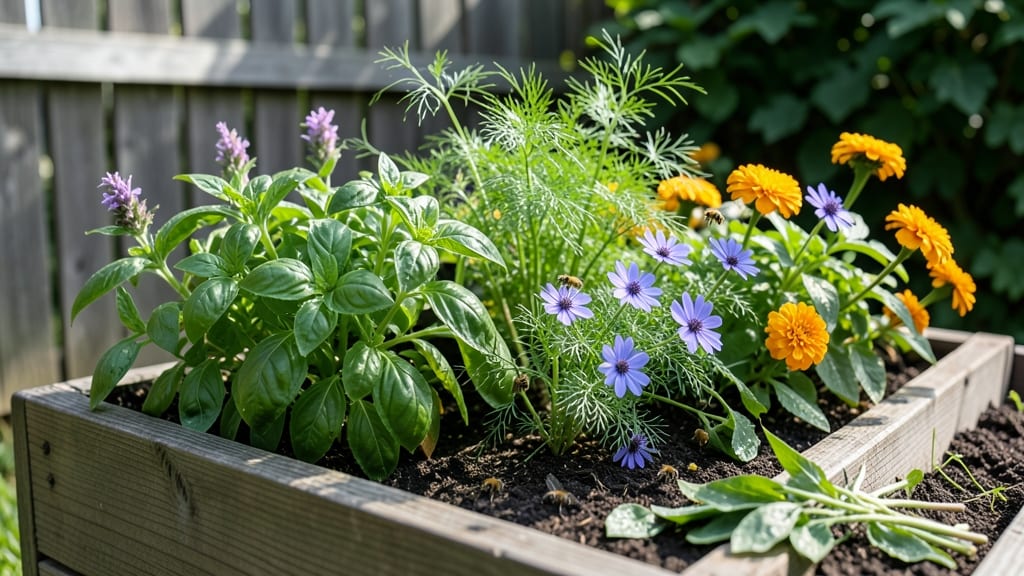
Turn your kitchen garden into a buzzing hub for pollinators without sacrificing fresh herbs—this dual-purpose design combines culinary favorites with nectar-rich blooms. Plant basil and dill alongside borage and marigolds to create a pollinator buffet while harvesting ingredients for your table. The key is interplanting: herbs provide shade for pollinators, while flowers offer them food and shelter.
Start with a 4x8-foot raised bed for easy access and better soil control. Place borage (with its star-shaped blue flowers) at the center—it thrives in partial shade and attracts bees early in the season. Flank it with marigolds (for pest control) and tuck basil and dill along the edges, where they’ll get 6 hours of sun daily. Water deeply 2-3 times per week, focusing on the soil rather than the leaves to avoid fungal issues.
This setup is perfect for urban gardeners or anyone with limited space who wants both beauty and bounty. Plus, the year-round structure ensures pollinators always have a meal while you enjoy fresh flavors. 🌱
Shade-Tolerant Pollinator Woodland
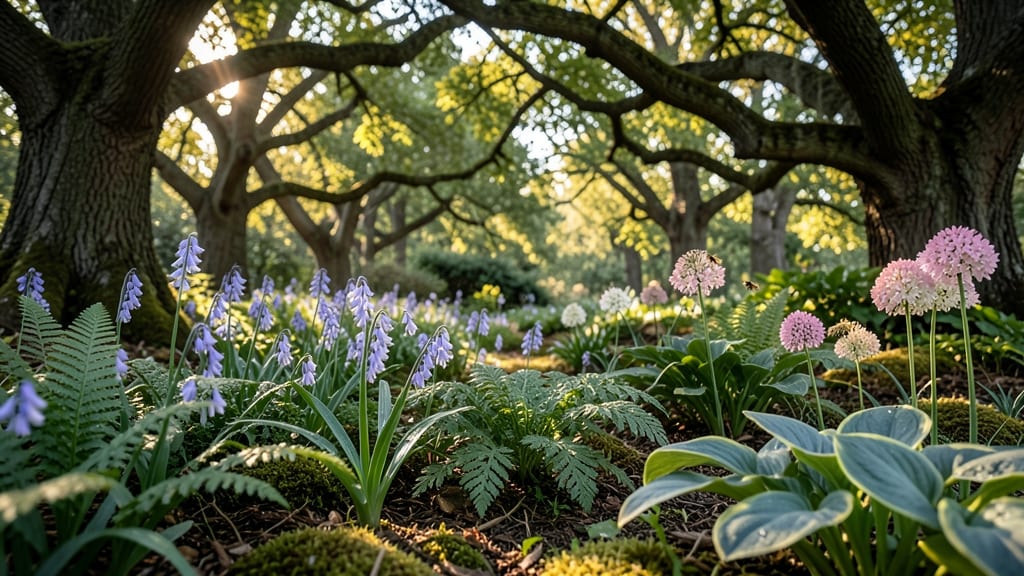
If your yard is mostly shade, don’t let that stop you from creating a thriving pollinator paradise. A shade-tolerant woodland garden turns neglected corners into a lush, buzzing ecosystem—without needing full sun. This design thrives under trees, where ferns, Virginia bluebells, and astilbes create a layered tapestry of color and texture.
Start by layering native ferns for lush foliage, Virginia bluebells for early spring blooms, and astilbes for feathery summer flowers—all of which attract bees and hummingbirds. Add moss ground cover to retain moisture and reduce weeds, keeping maintenance minimal. This garden stays vibrant year-round, with ferns providing winter interest and bluebells returning each spring.
Perfect for homeowners with wooded properties or shady backyards, this design requires almost no upkeep once established. It’s also a great way to support local wildlife without sacrificing beauty. 🌿
Rain Garden for Wet Areas
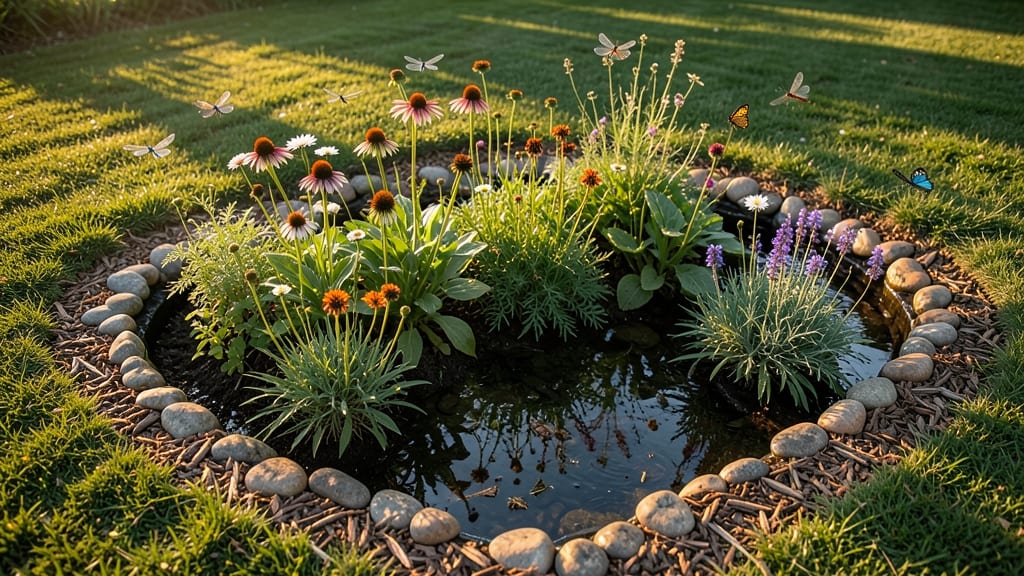
Turn those soggy lawn patches into a thriving ecosystem with a rain garden—a natural solution that handles excess water while supporting wildlife. Instead of fighting puddles, you’ll create a lush, low-maintenance space that filters runoff and attracts dragonflies, butterflies, and beneficial insects.
Start by outlining a shallow basin (6–12 inches deep) in your wet area, then plant moisture-loving natives like Joe-Pye weed (tall and vibrant) or swamp milkweed (a monarch magnet). Add sedges for texture and blue flag iris for bold color—all thrive in soggy soil. This design not only prevents erosion but also reduces stormwater runoff, making it a double win for your yard and local waterways.
Perfect for homeowners with low-lying yards or poor drainage, rain gardens require minimal upkeep once established. They’re especially rewarding for those who love wildlife-friendly landscapes and want to turn a problem area into a pollinator paradise. ✨
Rock Garden with Succulents and Sedum
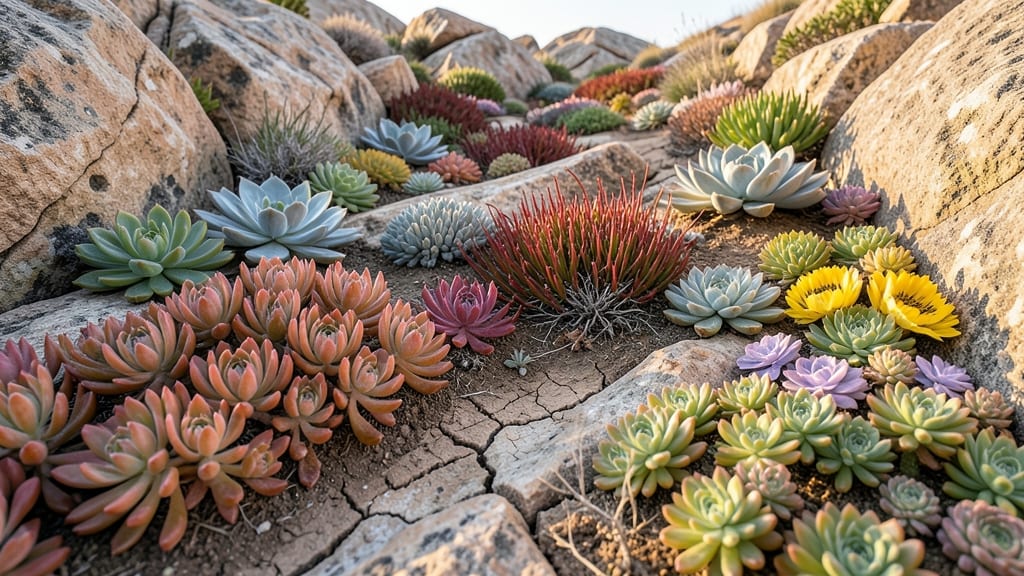
Turn your rocky yard or dry slope into a stunning, zero-maintenance garden with succulents and sedum. These hardy plants thrive in poor soil, require almost no water, and still create a vibrant, pollinator-friendly space that looks great year-round.
Start with sedum (like 'Autumn Joy' or 'Dragon's Blood') for bold colors and winter interest, pair it with hens-and-chicks (Sempervivum) for rosette shapes, and add yarrow (Achillea) for delicate flowers that bees adore. Plant directly into crevices or use terracotta pots to define sections—both options work beautifully on slopes or rocky terrain. Water only when the soil is completely dry, and watch your garden flourish with minimal effort.
This design is perfect for xeric climates, urban gardeners with limited water access, or anyone tired of fighting weeds in rocky soil. The winter color from sedum and the early spring blooms of yarrow ensure your garden stays lively even when other plants are dormant. 🌻
Pollinator-Friendly Potted Container Garden
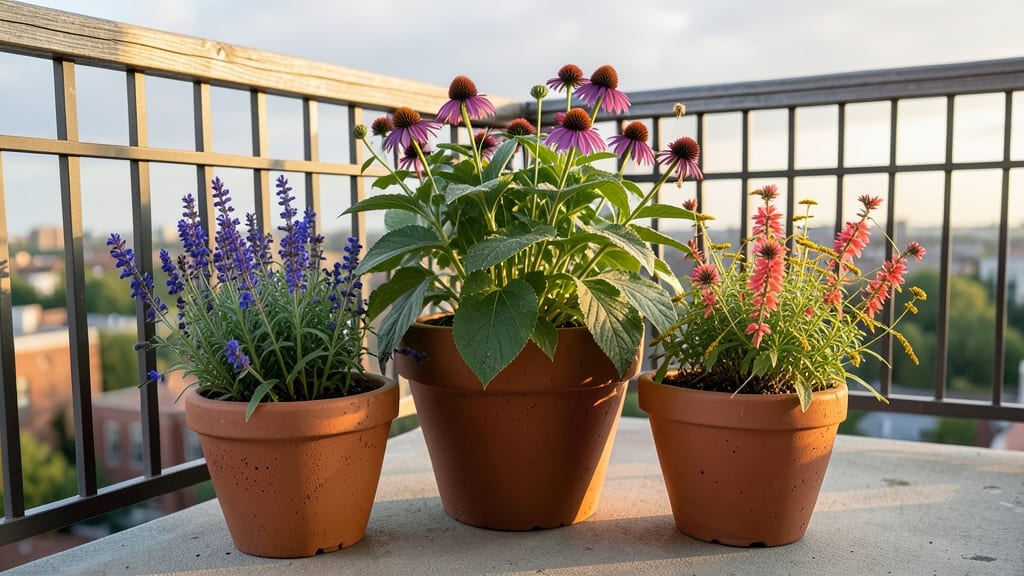
No lawn? No problem. A pollinator-friendly potted container garden brings the buzz to balconies, patios, and urban spaces where planting directly into the ground isn’t an option. With just a few deep containers, you can create a mobile feast for bees, butterflies, and hummingbirds—no yard required.
Start with lavender (for its fragrant blooms), catmint (a bee magnet), and thyme (drought-tolerant and aromatic). Use containers at least 12 inches deep to accommodate roots and provide drainage holes. To keep pollinators visiting all season, swap out spent blooms with seasonal swaps like cosmos in summer or snapdragons in fall. Place containers near seating areas or windows to enjoy the show!
This is the perfect solution for renters, small-space gardeners, or anyone without a traditional yard. It’s easy to maintain, portable, and delivers instant results for both your garden and local wildlife. 🌻
Native Grass Prairie Restoration
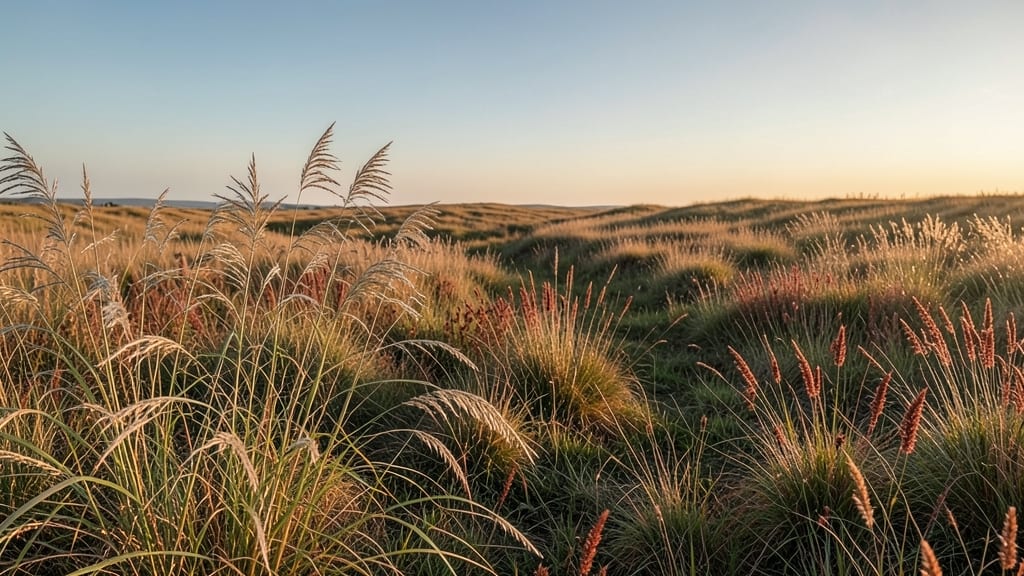
Say goodbye to endless mowing and hello to a modern, textural landscape that thrives on its own. A native grass prairie replaces your turf with switchgrass and little bluestem, creating a dramatic yet low-maintenance alternative that sways in the breeze year-round.
These drought-tolerant grasses support grassland birds and bees while requiring only one mowing per year—ideal for large, sunny areas. Plant in late summer or early fall for best establishment, and watch as your yard transforms into a pollinator-friendly habitat with minimal effort. The seed heads add winter interest, too!
Perfect for homeowners who want a striking, sustainable look without the upkeep, this design thrives in full sun and poor soil—no fuss, just beauty. 🌻
Year-Round Interest Perennial Borders
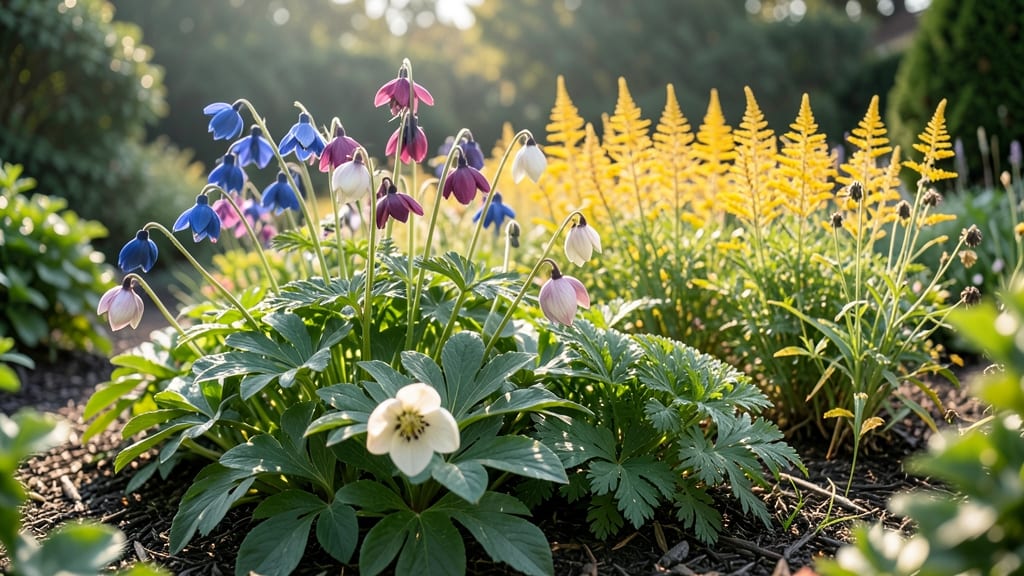
Say goodbye to seasonal garden slumps with year-round interest perennial borders that keep pollinators fed and your yard vibrant in every month. This classic approach layers winter hellebores, spring columbine, and fall goldenrod to create a structured, ever-changing display that never leaves your garden bare.
Start by planting tall perennials like coneflowers at the back for structure, mid-height blooms like black-eyed Susans in the middle, and low-growing ground covers such as ajuga in front. This tiered design ensures every plant gets sunlight while creating natural depth. Add mulch in late fall to protect roots and retain moisture, reducing winter maintenance.
Perfect for traditional gardeners who love structure, these borders require minimal upkeep after establishment—just divide overcrowded clumps every 3-4 years. Your garden will stay a pollinator hotspot while offering timeless beauty. ✨
Wildlife Pond with Marginal Plants

A small wildlife pond doesn’t require a sprawling backyard—just a sunny spot and a few marginal plants like pickerelweed or blue flag iris to create a thriving microhabitat. This design transforms a forgotten corner into a magnet for frogs, dragonflies, and birds, all while adding a stunning focal point to your garden.
Start with a shallow basin (12-18 inches deep) lined with pond liner and fill it with water. Plant marginal plants around the edges—their roots will stabilize the soil and provide food for wildlife. Add a few rocks or logs for basking spots, and keep the water level consistent to minimize maintenance. Native cattails and water lilies will further boost biodiversity while keeping algae in check.
This is the perfect solution for gardeners who want to support wildlife without the upkeep of a full garden. Even a 3x5-foot pond becomes a hub of activity, turning your yard into a miniature ecosystem. ✨