
Lawn
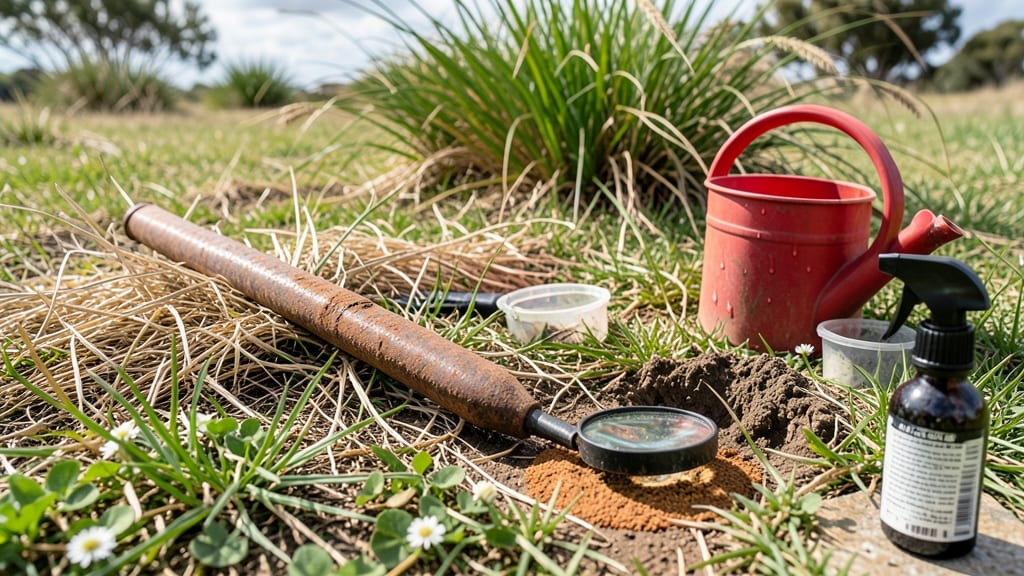
Your South African lawn isn’t just struggling—it’s fighting for its life against the lawn problems South Africa heat, drought, and relentless pests. 🌿 I’ve seen firsthand how a single afternoon of neglect can turn lush green into crispy brown in record time, but there’s a way to revive it in just 48 hours using local solutions that actually work here.
The real culprits aren’t just dry spells or fungal patches—they’re often hidden problems like compacted soil or thirsty grasses that can’t handle our sun.
My first lawn nearly died because I ignored the soil’s thirst signals, but once I switched to drought-resistant native grasses and adjusted my watering, the difference was shocking within days.
By the end of this, your lawn will bounce back with vibrant green that stays put through summer, and you’ll know exactly how to spot trouble before it spreads. No more guessing—just proven fixes for our climate.
Whether you’re dealing with brown patch, grubs, or just stubborn dry patches, these steps adapt to your yard’s specific challenges. Let’s get that grass fighting back the right way.
Root Causes Of Lawn Struggles
South Africa’s unique climate—marked by extreme heat, erratic rainfall, and nutrient-poor soils—creates a perfect storm for lawn woes. Understanding why your grass fights back is the first step to reclaiming a lush, resilient lawn.
Below, we break down the science behind the most common culprits, so you can tackle them head-on.
South Africa’s summer sun can push temperatures above 40°C (104°F), turning grass into a crispy, brown mess. Here’s why:
- Water Loss Through Transpiration 💧 Grass blades lose moisture faster than roots can replenish it. When soil moisture drops below 30%, photosynthesis grinds to a halt, and cells die from dehydration.
- Heat Shock & Protein Denaturation 🔥 Enzymes in grass (like RuBisCO, critical for photosynthesis) unfold at high temps, breaking down cellular functions. This is why lawns turn bleached white—not just brown.
- Soil Compaction & Poor Aeration 🏗️ Heavy foot traffic or clay soils (common in SA) create a hardpan layer, blocking oxygen and water from reaching roots. Compacted soil heats up 5–10°C hotter than loose soil, accelerating stress.
💡 Pro Tip: Water deeply at dawn (not at night!) to reduce evaporation. Use a soil thermometer—keep surface temps below 35°C (95°F) to prevent heat shock.
South Africa’s unpredictable rainfall (from floods to droughts) means many gardeners over- or under-water. Both extremes damage lawns:
- Overwatering = Root Rot & Fungal Infections 🍄 Soggy soil (especially in clay) cuts off oxygen, leading to Pythium blight (a fungal disease that causes greasy, brown patches). Overwatering also leaches nutrients like nitrogen and potassium, weakening grass.
- Underwatering = Shallow Roots & Weak Growth 🌱 Frequent light watering encourages roots to stay near the surface (instead of growing 10–15cm deep). When drought hits, these shallow roots can’t access moisture, causing sudden wilting.
- Wrong Watering Time = Evaporation Waste ☀️ Watering in peak sun (10 AM–4 PM) means 60% of water evaporates before it soaks in. Early morning (before 8 AM) is ideal—grass drinks up moisture before heat sets in.
✨ Actionable Fix: Use a rain gauge to track water needs. Most SA lawns need 25–50mm per week (including rain). If using sprinklers, check for runoff—if water pools, you’re overdoing it.
South African soils are often low in organic matter and lacking key nutrients. Here’s what’s missing and why:
| Symptom | Likely Cause | Science Behind It |
|---|---|---|
| Yellowing Grass | Nitrogen deficiency | Nitrogen is the building block of chlorophyll—without it, grass can’t photosynthesize. |
| Purple Stems | Phosphorus deficiency | Phosphorus fuels root growth and energy transfer. Low P = weak roots and slow recovery. |
| Brown Spots (but soil is moist) | Potassium deficiency | Potassium regulates water balance and disease resistance. Low K = grass struggles with heat/drought. |
| Slow Growth, Thin Lawn | Micronutrient (Zn, Fe, Mg) deficiency | These trace minerals act as enzymatic cofactors. Without them, grass grows stunted and weak. |
🔥 Quick Test: Do the "Squeeze Test"—grab a handful of soil. If it crumbles easily, it’s low in organic matter. If it sticks together, it’s compacted and needs gypsum or compost.
South Africa’s warm, humid climate is a buffet for pests and pathogens. Here’s what’s eating your lawn:
- Grasshoppers & Armyworms 🦗 These insects skeletonize grass (eating leaves but leaving veins). They thrive in dry, hot conditions and can devour a lawn in days.
- Chinch Bugs 🪲 Tiny but deadly—pierce grass stems, injecting toxins that cause yellow patches. They love thin, stressed lawns (like those from overwatering).
- Fungal Diseases (Red Thread, Brown Patch) 🍄 Red Thread** (caused by Laetisaria fuciformis) thrives in cool, wet conditions (common in SA’s winter). Brown Patch (Rhizoctonia solani) spreads in high humidity and warm nights.
💡 Prevention: Mow high (5–7.5cm) to shade soil and reduce fungal spores. Apply neem oil for pests—it’s organic and disrupts insect life cycles.
Cutting grass too short or at the wrong time stresses it, making it vulnerable to disease and heat.
- Scalping (Cutting Too Low) ✂️ Removing more than ⅓ of the leaf blade reduces the grass’s ability to photosynthesize. This weakens roots and invites weeds.
- Dull Mower Blades ⚙️ A dull blade tears grass instead of cleanly cutting it, creating open wounds that attract disease. Sharpen blades every 10–15 hours of use.
- Mowing Wet Grass 💦 Wet grass clumps, smothering underlying blades. It also spreads disease (like dollar spot) via contaminated mower decks.
🎯 Best Practice: Mow when grass is dry and adjust height based on season:
- Summer (heat stress): 7.5cm tall (longer blades = more shade for roots).
- Winter (growth slows): 5cm tall (but never below 3cm).
Quick Fixes for Common Lawn Issues
Reviving your South African lawn doesn’t have to be a slow, frustrating process—especially when you know the right fixes for the most common problems.
Whether it’s heat stress, pests, fungal infections, or nutrient deficiencies, these practical, fast-acting solutions will get your grass back on track in less than 48 hours. Below, we’ve mapped out the cause → fix approach, plus prevention tips to keep your lawn lush long-term.
Cause: South Africa’s scorching sun, drought, or poor water retention drains moisture, leaving grass crispy and brown in patches.
💧 Immediate Fix: Hydration & Shade Rescue
- Deep Watering at Night 🌙
- Water deeply (5–7 cm) after sunset to reduce evaporation. Use a soaker hose or drip irrigation for efficiency.
- Pro Tip: Test soil moisture—stick a screwdriver in; if it goes in easily, water again.
- Emergency Shade Cover ☀️🛑
- Lay lightweight shade cloth (30–50%) over affected areas for 24–48 hours to prevent further damage.
- Alternative: Use old bedsheets or burlap sacks if cloth isn’t available.
- Revive with a Cooling Rinse ❄️💦
- Mix 1 cup ice cubes + 1 tbsp baking soda in a gallon of water. Spray lightly on brown patches to lower soil temp and shock grass back to life.
🌱 Prevention for Next Time
- Water early morning (4–6 AM) to let grass dry before evening heat.
- Aerate compacted soil every 6 months to improve moisture retention.
- Choose heat-resistant grass like Kikuyu or Buffel for high-temperature zones.
Cause: Underground grubs, chinch bugs, or termites munch on roots, causing yellowing, wilting, or dead patches that pull up easily.
🪲 Fast Pest Control Methods
- DIY Grub & Chinch Bug Spray 🍋🔥 - Mix 1 tbsp dish soap + 1 cup vegetable oil + 1 tsp neem oil in a gallon of water.
Spray directly on pests (they’ll surface within 30 mins). - Follow-up: Handpick visible bugs and dispose of them in soapy water.
- Termite Barrier Hack 🏗️⚡
- Sprinkle diatomaceous earth (food-grade) around the lawn’s edge—it dehydrates termites in 24–48 hours.
- For severe infestations: Call a local pest control expert (termite damage spreads fast!).
- Beneficial Nematodes Boost 🐛💪
- Apply nematodes (Microscopic worm predators) to soil. They kill grubs naturally in 7–10 days. Best bought from garden centers.
🛡️ Long-Term Pest Prevention
- Mow high (5–7 cm) to discourage chinch bugs.
- Encourage natural predators like birds, toads, and ladybugs by keeping a diverse lawn ecosystem.
- Avoid overwatering—pests thrive in soggy soil.
Cause: Humidity + poor airflow creates the perfect breeding ground for fungi, leading to reddish-brown threads, white spots, or orange rust on blades.
🧴 Fungal Treatment in 48 Hours
- Baking Soda Fungicide 🧂✨
- Mix 1 tbsp baking soda + 1 tsp liquid soap + 1 gallon water. Spray evenly on infected areas at dusk. Repeat every 3–4 days for 2 weeks.
- Hydrogen Peroxide Shock Treatment 🧪💥
- Use 3% hydrogen peroxide (dilute 1:3 with water). Spray directly on fungus—it kills spores on contact without harming grass.
- Improve Airflow 🌬️🔄
- Thin out dense grass with a sharp mower blade (dull blades tear grass, inviting fungi).
- Rake up debris and remove thatch (layer of dead grass) to reduce moisture buildup.
🛡️ Stop Fungi Before It Starts
- Water lawns early morning to allow full evaporation.
- Avoid overhead sprinklers—use drip systems instead.
- Apply copper fungicide (like Copper Sulfate) preventatively before rainy season.
Cause: Poor soil, over/under-fertilizing, or pH imbalances leave grass pale, thin, or stunted.
💡 Quick Nutrient Fixes
- DIY Liquid Fertilizer 🥬💧
- Blend 1 cup comfrey leaves + 1 banana peel + 1 tbsp Epsom salt in a gallon of water. Let steep 24 hours, then spray on lawn.
- Iron Supplement for Chlorosis 🔴💪
- If leaves are yellow with green veins, sprinkle iron chelate granules and water deeply. Results in 3–5 days.
- Soil pH Test & Adjust 📊🌡️
- Test pH with a home kit (ideal for most grasses: 6.0–7.0).
- Lower pH? Add sulfur or vinegar (1:3 dilution).
- Raise pH? Sprinkle lime (calcium carbonate).
🌿 Keep Soil Healthy Long-Term
- Top-dress with compost every 3–6 months.
- Avoid synthetic fertilizers—opt for organic, slow-release options.
- Test soil annually to monitor nitrogen, phosphorus, and potassium (NPK) levels.
| Problem | Step 1 (Day 1) | Step 2 (Day 2) | Prevention |
|---|---|---|---|
| Heat Stress | Deep water at night + shade cloth | Cooling rinse (ice + baking soda) | Aerate soil, mow high |
| Pests | DIY pest spray + handpick bugs | Apply nematodes (if grubs) | Encourage natural predators |
| Fungal Infection | Baking soda spray | Hydrogen peroxide treatment | Water early, improve airflow |
| Nutrient Deficiency | Liquid fertilizer | Iron chelate (if chlorotic) | Compost top-dressing, pH test |
Final Tip: 🌱 Act fast but don’t overdo it—overwatering or over-fertilizing can worsen problems. Stick to the 48-hour plan, then maintain with prevention for a heat-resistant, pest-free lawn all year round!
Frequently asked questions about South African lawn care
What are the most common lawn pests in South Africa?
Watch for chinch bugs (tiny black bugs causing yellow patches), armyworms (green caterpillars that skeletonize grass), and grubs (white larvae that chew roots). These thrive in our warm climate—check for them after rain when they surface. Neem oil sprays work well for prevention.
Why does my lawn turn brown so quickly in summer?
South Africa's high heat and low humidity cause rapid moisture loss. When soil moisture drops below 30%, grass cells dehydrate and turn brown within 24 hours. Water deeply at dawn (not night) and use shade cloth for 48 hours to prevent further damage.
How often should I mow my lawn in South Africa?
Mow every 5-7 days in summer (when growth speeds up) and every 10-14 days in winter. Keep grass 5-7.5cm tall—shorter cuts stress plants and invite weeds. Always use sharp blades to avoid tearing grass, which attracts disease.
What's the best grass type for South African climates?
For drought-resistant lawns, try Kikuyu (fast-growing but needs regular water) or Buffel (low-maintenance and heat-tolerant). For shade areas, Couch grass thrives. Native grasses like Rhodes grass are also excellent choices for minimal water use.
Can I use household items to treat fungal diseases?
Yes! Mix 1 tbsp baking soda + 1 tsp liquid soap + 1 gallon water for a natural fungicide. Spray at dusk on infected areas. For red thread or brown patch, also try hydrogen peroxide (3% solution)—it kills spores without harming grass.