
Lawn
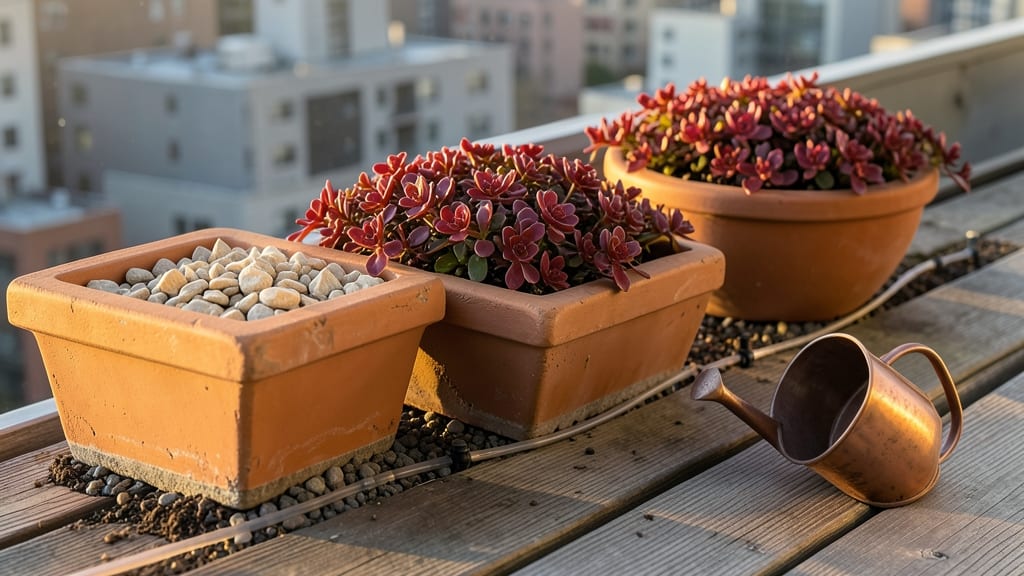
A terrace lawn transforms tight spaces into lush retreats—without the high-maintenance hassle. 🌿 I’ve spent years perfecting my own elevated green space, proving you don’t need a backyard to enjoy soft grass underfoot. The key? Choosing the right plants and prep work that accounts for wind, drainage, and shallow soil.
Dwarf grasses like 'Little Bluestem' or moss create a carpet-like effect with minimal upkeep, while sedges handle moisture better than traditional lawns. Start with a lightweight, well-draining soil mix (3 parts topsoil, 2 parts sand) and add a 1-inch layer of gravel beneath to prevent waterlogging.
Irrigation is trickier—drip systems work best to avoid runoff. By month 3, you’ll have a vibrant, walkable surface that stays green even in heatwaves. The best part? No mowing, no patchy spots, and a space that feels like a sanctuary.
Perfect for urban balconies, rooftops, or small patios where every square foot counts. Fair warning: wind is your biggest enemy—secure edges with edging stones or low borders. And if your terrace gets scorched in summer, opt for shade-tolerant varieties like 'Creeping Thyme' for extra resilience. Your elevated oasis awaits!
📚 In This Guide
- What you need
- Instructions
- Tips and common mistakes
- Wrapping up and next steps
What you need
- ● Growing Medium: 10–15 lbs of lightweight potting mix (blend for containers or terraces, e.g., Miracle-Gro All Purpose or Espoma Organic Potting Mix).
- ● 1–2 lbs of perlite or vermiculite (for drainage, ~20% of mix volume).
- ● Drainage Layer: 1–2 inches of gravel or hydroponic clay pebbles (¼"–½" size, e.g., Sun Bulb Hydroton).
- ● Container or Terrace System: 1–4 terrace planters (depth: 8"–12", width: 12"–24", e.g., Tough-Tuff Planters or IKEA KRYM Planters).
- ● OR a pre-built terrace garden kit (e.g., GreenStalk Terraces).
- ● Grass or Ground Cover: 1–2 lbs of terrace-friendly grass seed (e.g., Fine Fescue or Dwarf Mondo Grass) OR pre-grown sedum mats.
- ● Tools: 1 trowel or small shovel (for mixing soil).
- ● 1 leveling tool (to ensure even drainage).
- ● 1 watering can with a rose attachment (gentle watering = happy roots!).
- ● 1 measuring tape (for spacing containers).
- ● Enhance Aesthetics: Decorative terrace edging (e.g., black plastic or metal strips).
- ● Mini pathway stones (for walkways between planters).
- ● Boost Functionality: Automatic drip irrigation system (e.g., Orbit B-Hyve).
- ● Solar-powered LED landscape lights (for evening ambiance).
- ● Low-Maintenance Swaps: Artificial turf mats (if drought-prone or high-traffic).
- ● Self-watering planters (e.g., Lechuza Self-Watering Planters).
- ● ✅ Sunlight Assessment: Ensure your terrace gets 4–6 hours of sunlight daily (adjust grass type if less).
- ● ✅ Weight Capacity Check: Verify your terrace can support 20–30 lbs per sq. ft. (wet soil + plants).
- ● ✅ Weatherproofing: Seal wood or metal terraces with outdoor paint/stain if exposed to elements.
- ● ✅ Local Regulations: Check HOA or building codes for container weight limits or permit requirements.
Instructions for creating a stunning terrace lawn
Here's how to transform your terrace into a lush, elevated retreat that requires minimal upkeep.
🪴 Step 1: Design and Prepare the Terrace Structure
Start by evaluating your terrace's weight capacity—most decks support 50-75 pounds per square foot, so choose lightweight, erosion-resistant plants like sedum, creeping thyme, or dwarf mondo grass for a low-maintenance look. If your terrace has gaps between planks, line them with landscape fabric before adding soil to prevent debris buildup.
Measure the space and mark a 1-2 inch deep planting area along the edges or between planks, leaving 6-12 inches of solid surface for walking. Use a rototiller or hand fork to loosen the soil, then mix in compost or slow-release fertilizer to enrich it without overwhelming roots. I like to add a 1-inch layer of coarse sand first to improve drainage—terrace lawns dry out faster than ground-level ones.
☀️ Step 2: Select and Install Low-Maintenance Ground Cover
Skip traditional grass—it needs too much water and maintenance. Instead, opt for drought-tolerant sedum, creeping jenny, or clover (all thrive in 4-6 hours of sun). For a soft, lawn-like texture, mix dwarf fescue with moss—it stays green in shade and recovers quickly from foot traffic. Plant in a staggered pattern, spacing clumps 8-12 inches apart to allow air circulation and prevent fungal issues.
Press each plant firmly into the soil but don’t bury the crown—ground cover roots best when just below the surface. Water deeply right after planting to settle roots, then let the soil dry slightly before watering again. The first few weeks are critical: water in the morning to reduce evaporation and fungal risks. You’ll know it’s working when new growth appears within 10-14 days—no need to fertilize yet.
💧 Step 3: Establish a Smart Watering Routine
Terrace lawns dry out 30-50% faster than ground-level ones, so water deeply 2-3 times per week (not daily). Use a soaker hose or drip irrigation along the edges to deliver moisture directly to roots without wetting planks. Aim for ½ inch of water per session—check by placing a tuna can in the soil; when it fills, you’re done. Water in early morning or late evening to minimize evaporation.
After the first month, reduce watering to once a week if your plants show no wilting. Drought-tolerant ground covers like sedum or clover will send up new shoots from their roots if they dry out slightly—this is normal and makes them resilient. If brown patches appear, it’s usually underwatering, not overwatering (unlike traditional grass).
✂️ Step 4: Maintain with Minimal Effort
Skip the mower—ground covers like creeping thyme or moss stay at the perfect height without trimming. Instead, use hand shears to tidy up edges every 4-6 weeks, or let them grow wild for a natural, cottage-garden look. Pull weeds by hand when they appear (they’re easier to remove before they seed). I’ve found that mulching with ½ inch of pine straw suppresses weeds and retains moisture without smothering the plants.
Fertilize once a year in early spring with a slow-release, organic fertilizer (like fish emulsion or compost tea). Over-fertilizing causes leaf burn and attracts pests. Instead, focus on removing dead foliage in fall and adding a thin layer of compost to refresh the soil. Your terrace lawn will stay vibrant with less than 10 minutes of work per week—far less than a traditional yard.
🌿 Step 5: Add Finishing Touches for Year-Round Appeal
Incorporate upright ornamental grasses (like little bluestem or switchgrass) along the edges for texture and movement. These thrive in well-draining terrace soil and add vertical interest without needing frequent care. For color, plant perennial flowers like catmint or lavender—they’re drought-resistant and bloom for months. Group plants in odd-numbered clusters (3, 5, or 7) for a balanced, natural look.
Finally, add solar-powered landscape lights along the edges to highlight your terrace lawn at night. The warm glow makes the space feel inviting while keeping energy costs low. With this setup, your elevated green space will be lush, low-maintenance, and ready for entertaining—no lawnmower required.
Tips & tricks for perfect elevated green spaces
Here’s what nobody tells you about creating a terrace lawn that stays vibrant without the fuss.
Plant Placement Strategy: In Step 2, when planting your drought-tolerant ground covers like sedum or creeping jenny, place taller varieties (like little bluestem) along the edges of your terrace. This creates a natural windbreak that protects your plants from drying out too quickly—especially important since terrace lawns lose moisture 30-50% faster than ground-level ones. The staggered 8-12 inch spacing you’ll use also prevents fungal issues by improving airflow between plants.
Soil Prep Secret: The 1-inch layer of coarse sand in Step 1 isn’t just about drainage—it’s about creating the perfect microclimate for your terrace plants. This layer prevents soil compaction from foot traffic while allowing excess water to drain away quickly. After adding your compost or slow-release fertilizer, mix in a handful of perlite to further improve aeration without altering the 1-2 inch planting depth.
Watering Hack: That ½ inch of water per session in Step 3 might seem like a lot, but it’s the only way to ensure moisture reaches the roots of your ground covers. For a visual cue, place a tuna can in the soil during watering—when it’s full, you’re done. Pro tip: Water in the morning to reduce evaporation and fungal risks, but if you must water in the evening, avoid getting the plants wet (especially moss) to prevent overnight rot.
Maintenance Shortcut: When it’s time for that once-a-year spring fertilization in Step 4, skip the synthetic fertilizers. Instead, top-dress with a thin layer of worm castings—it’s organic, slow-release, and won’t cause leaf burn. For the 4-6 week edge-trimming, use a pair of sharp hand shears and cut just above the lowest leaves to encourage bushier growth without damaging the plant.
Pro Tips for Lawn On Terrace
- Here’s what nobody tells you about creating a terrace lawn that stays vibrant without the fuss.
- Plant Placement Strategy: In Step 2, when planting your drought-tolerant ground covers like sedum or creeping jenny, place taller varieties (like little bluestem) along the edges of your terrace.
- Soil Prep Secret: The 1-inch layer of coarse sand in Step 1 isn’t just about drainage—it’s about creating the perfect microclimate for your terrace plants.
Frequently asked questions
Got questions about creating a lawn on your terrace?
You’re not alone! Here are some of the most common concerns—and practical solutions—to help you get started with confidence.
What’s the best type of grass for a terrace lawn?
A terrace lawn thrives with low-maintenance, drought-resistant grasses like Zoysia or Buffalo grass. They handle shallow soil, foot traffic, and limited water better than traditional lawns. For urban terraces, sedum mats or artificial turf are also great alternatives if space or sunlight is limited.
How long does it take for a terrace lawn to establish?
Expect 4–8 weeks for seeds to germinate and 3–6 months for full root establishment, depending on climate and care. Sod (pre-grown grass) speeds this up to 2–4 weeks but requires deeper soil prep. Patience is key—avoid heavy use until roots stabilize!
How often should I water a terrace lawn?
Water deeply 2–3 times per week (early morning is best) during the first month. Once established, reduce to once a week or when soil feels dry 2 inches down. Drip irrigation or soaker hoses prevent runoff—critical for terraces with limited drainage.
What if my terrace soil is too shallow for grass?
No problem! Amend soil with 2–4 inches of organic matter (compost or coconut coir) mixed with perlite for drainage. For ultra-thin terraces, use raised planters or hydroponic grass mats. If drainage is poor, add a gravel layer beneath the soil.
How do I keep pests and weeds out of my terrace lawn?
Prevent weeds with landscape fabric under soil (leave edges exposed). For pests, opt for neem oil or diatomaceous earth. Avoid chemical herbicides—they can harm shallow roots. Regularly aerate soil and choose dense grass varieties to outcompete invaders naturally.
Wrapping up and next steps
Creating a lawn on your terrace is a fantastic way to bring nature’s tranquility into your urban space—without the high maintenance! 🌿 Whether you choose drought-resistant grass, lush succulents, or a mix of both, your elevated green oasis will not only boost curb appeal but also provide a serene retreat.
The key is starting small, selecting the right materials, and embracing creativity with containers, soil layers, and watering solutions.
Ready to transform your terrace? Take the first step today! Sketch a simple layout, gather your supplies, and dive in—your future self (and plants) will thank you. Happy greening! 🌱