
Lawn
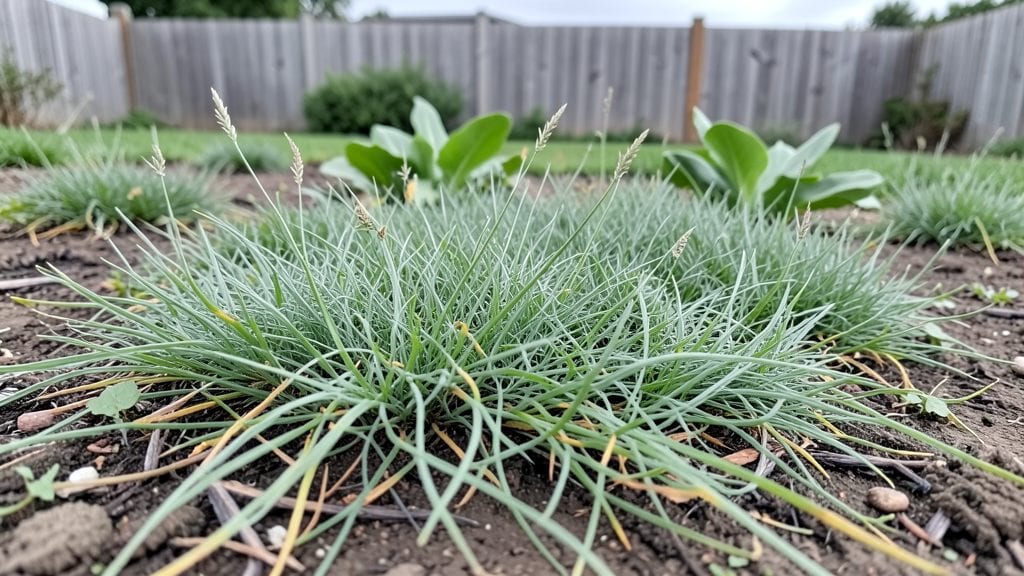
Weed grass isn’t the same as healthy lawn grass—it’s typically broadleaf or narrow-leafed plants like crabgrass, dandelions, or clover that crowd out desirable turf. Identify weeds by their irregular growth patterns, deep green or yellowing leaves, and seed heads, then remove them to maintain a lush lawn.
Weed grass thrives because it grows aggressively—some varieties sprout from just 1/8-inch of buried seed, while others send out sprawling roots that steal nutrients from your lawn.
Unlike your carefully chosen turf, these invaders don’t play by the same rules: they adapt to poor soil, survive drought, and spread faster than most grass types. That’s why even a few weeds can quickly turn your yard into a patchwork of unwanted greenery if you don’t act early. 🌱
What’s worse? Many weeds release chemicals that suppress grass growth, creating bare spots that attract even more weeds. This cycle is why I always recommend a two-step approach: first, identify the offenders, then attack them before they take over.
The key is catching them young—before those seed heads pop and scatter hundreds of new plants across your yard. Prevention is the real game-changer here. ⚡
💡 In This Article
- How Weed Grass Spreads in Lawns
- Best Weed Grass Removal Methods for Lawns
How weed grass spreads in lawns
Here's what's actually happening beneath your lawn: weed grass spreads through biological advantages that turfgrass simply can't match. Most turfgrasses like Kentucky bluegrass or fescue have shallow root systems (typically 3-6 inches deep), while weeds like crabgrass develop roots up to 12 inches or more.
This deeper reach lets weeds tap into water and nutrients your lawn grass can't access during droughts. 🌱
The real game-changer is seed production. A single dandelion plant can release up to 200 seeds per stem, while clover produces 50-100 seeds per flower head. Compare that to turfgrass which relies on stolons or rhizomes - these spread horizontally but at a much slower rate.
Weeds also germinate faster: crabgrass seeds sprout in just 3-5 days when conditions are right, while most lawn grasses take 7-14 days.
Environmental factors accelerate this spread dramatically. Weeds thrive in compacted soil (common from foot traffic) where turfgrass struggles to establish roots. They also adapt to extreme conditions: creeping charlie survives in 50% shade while many lawn grasses need full sun.
The pH tolerance varies too - dandelions grow well in alkaline soils (pH 7.5+), while fescue prefers 6.0-7.0. 💛
What most people don't realize is how weeds outcompete turf through allelopathy - the release of chemicals that inhibit grass growth. Crabgrass releases a compound called "strigolactone" that signals other weeds to germinate while suppressing grass.
This creates a vicious cycle where bare spots attract more weeds, which then create more bare spots. The result? Your lawn becomes a weed magnet unless you intervene.
Sunlight plays a crucial role too. Weeds like chickweed can photosynthesize at lower light levels than turfgrass, meaning they'll grow even in partially shaded areas. Their rapid growth rate (up to 2 inches per week for some weeds) means they quickly outpace your lawn's growth cycle.
The combination of deep roots, prolific seeding, chemical warfare, and light adaptability makes weeds nearly unstoppable without proper management. ⚡
Consider these biological differences when you notice weeds creeping in:
- Root depth: Weeds (12"+) vs turfgrass (3-6")
- Seed production: 200+ seeds vs 1-2 seeds per stem
- Germination speed: 3-5 days vs 7-14 days
- Shade tolerance: 50%+ vs 30-40% for most grasses
- pH adaptability: 5.0-8.5 vs narrow ranges for turf
The key to stopping this spread is understanding these biological advantages. Once you recognize how weeds exploit your lawn's weaknesses, you can implement targeted prevention strategies that give your turfgrass the competitive edge it needs. 💫