
Lawn
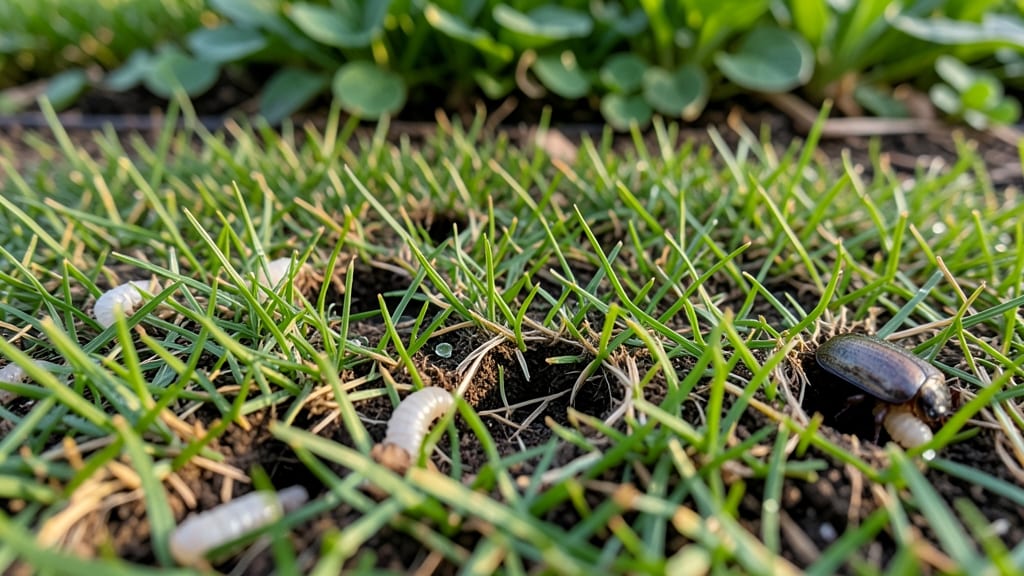
Those mysterious patches of spongy insect holes in the lawn hiding grubs are the last thing you want after mowing. 🌱 I’ve spent years fixing lawns where every step revealed tunnels—until I learned the real culprits (and how to stop them fast).
The key isn’t just treating the holes but breaking the cycle so your grass stays thick and healthy.
Most people blame moles or voles first, but 90% of the time, it’s grubs munching on roots. Chinch bugs and armyworms are sneaky too, leaving behind similar damage.
The good news? A 3-day action plan—spot-treat, repair, and prevent—can turn your lawn back into a lush carpet before the season ends.
You’ll start by identifying the pest (yes, it matters), then patch bare spots with seed and soil. Add a natural deterrent like nematodes or milky spore to keep grubs away long-term. Within weeks, your lawn will bounce back—thicker, greener, and pest-proof—without harsh chemicals.
Works for any grass type, from cool-season Kentucky bluegrass to warm-season Bermuda. Here’s how to diagnose, fix, and protect your lawn for good—no more guessing what’s eating your yard.
Root Causes of Lawn Holes
Discovering small, mysterious holes dotting your lawn can be frustrating—especially when you’re not sure what’s causing them. These unwanted tunnels and burrows are rarely random; they’re the work of insects with specific behaviors, environmental triggers, and survival instincts.
Understanding the why behind these holes is the first step to reclaiming your grass. Below, we break down the most common culprits and the science behind their destructive habits.
Larvae of beetles—particularly Japanese beetle grubs, June beetle grubs, and masked chafer grubs—are the most notorious lawn hole-makers. These C-shaped, white larvae feed on grass roots, creating weak spots that collapse into holes. Here’s why they thrive:
- Moisture-loving habits: Grubs prefer loamy, well-drained soil with consistent moisture. Overwatering or poor drainage creates the perfect breeding ground, as damp soil retains their eggs and provides easy access to roots.
- Seasonal life cycles: Most grubs hatch in late spring to early summer and remain active until fall. Their feeding peaks during warm, humid weather, which is why holes often appear in summer and early autumn.
- Root damage as a byproduct: Grubs don’t dig holes intentionally—they chew roots, and when the roots die, the grass above collapses, leaving behind patchy, hole-like dead spots.
Pro Tip: 💡 Look for birds or skunks digging up your lawn—they’re natural predators hunting grubs! If you spot them, grubs are likely the culprit.
Unlike grubs, mole crickets are active diggers, creating visible tunnels and surface holes as they hunt for food. These brown, worm-like insects are most active in:
- Sandy or loose soil: Mole crickets thrive in well-aerated, sandy soils where they can burrow easily. Compacted clay lawns are less appealing to them.
- Warm, humid climates: They’re common in the Southeastern and Gulf Coast regions but can appear anywhere with high summer heat and moisture.
- Nocturnal feeding patterns: They emerge at dusk and night to feed on grass roots, worms, and other insects, leaving behind ragged holes and shallow tunnels.
Key Identifier: 🔍 Mole cricket holes are often irregularly shaped with small mounds of soil pushed to the surface—unlike the uniform patches left by grubs.
While most ants don’t create large holes, fire ants, harvester ants, and carpenter ants can leave behind small mounds and entry points that weaken grass. Here’s how they contribute:
- Mound construction: Ants build soil mounds around their nests, which can smother grass and create bare spots. Fire ants, in particular, create volcano-shaped mounds up to 18 inches tall.
- Underground tunneling: Carpenter ants burrow into decaying wood or thatch layers in lawns, creating weak points where grass may thin out.
- Indirect damage: Ants attract other pests (like grubs) by aerating soil with their tunnels, making the lawn more vulnerable to root-feeding insects.
Watch For: ✨ Tiny black or red ants scurrying in and out of small holes, or sudden patches of dead grass around mound bases.
Chafer beetle grubs (like the masked chafer) are less common but equally damaging. These plump, cream-colored larvae:
- Target young grass: They prefer newly seeded lawns or weak grass, as tender roots are easier to consume.
- Thrive in cool, moist soil: Unlike Japanese beetle grubs, chafers are more active in spring and fall, when soil temperatures are 50–70°F.
- Leave behind "blowout" patches: Their feeding causes grass to pull up easily in large sections, creating irregular holes rather than uniform patches.
Regional Note: 🌍 Chafer grubs are more common in the Northeast and Midwest, particularly in cool-season grasses like Kentucky bluegrass.
Now that you know who’s behind those holes, the next step is identifying the right fix. Each pest requires a different approach—whether it’s cultural changes, natural predators, or targeted treatments.
Quick Fixes for Lawn’s Hidden Damage
Now that you know what’s causing those pesky insect holes in your lawn, it’s time to take action! The good news? Most fixes are simple, cost-effective, and can restore your grass in just a few days.
Below, we’ve mapped out the best solutions based on the culprit—whether it’s grubs, ants, moles, or other pests—plus prevention tips to keep your lawn lush and hole-free.
If your lawn is dotted with irregular patches or feels spongy underfoot, grubs are likely the culprits. These white, C-shaped larvae munch on grass roots, leaving behind weak spots that collapse into holes.
🔥 Step-by-Step Grub Control
- 🍳 Identify the Infestation Dig up a small section of lawn (about 6 inches deep) and check for white grubs. If you find more than 5–10 per square foot, it’s time to act.
- 👨🍳 Apply Grub Killer
- Chemical Treatments: Use a grub-specific insecticide like imidacloprid or chlorantraniliprole. Follow the label instructions for application rates.
- Natural Alternatives: For organic solutions, try neem oil or milky spore powder (a bacterial treatment that targets grubs long-term).
- 🥘 Overseed Thinned Areas After treating, rake the affected spots and sprinkle new grass seed. Keep the area moist for 2–3 weeks to help the seed take root.
- ⏰ Reapply in Fall (Critical!) Grubs are most active in late summer to early fall. A second treatment at this time prevents next year’s damage.
Ants create small, shallow holes as they tunnel through the soil. While they don’t kill grass directly, their activity can weaken roots and attract other pests.
🔪 Ant-Proof Your Lawn 1. 🍳 Spot-Treat Mounds
- Boiling Water: Pour boiling water directly into active ant mounds (works best for small, visible hills).
- Boric Acid: Mix 1 part boric acid with 3 parts sugar and place near mounds.
Ants carry it back to the colony, eliminating them.
- 🌡️ Reduce Moisture Attraction Ants love damp soil. Improve drainage by aerating compacted areas and ensuring your lawn isn’t overwatered.
- 🎯 Long-Term Prevention
- Diatomaceous Earth: Sprinkle food-grade DE around the lawn’s perimeter (reapply after rain).
- Natural Predators: Encourage birds and toads, which love snacking on ants.
If your lawn has deep, irregular tunnels or surface holes, moles or voles are likely digging beneath. While moles eat grubs, voles chew grass roots, causing sudden die-off.
✨ Drive Them Away for Good
- 🔥 For Moles:
- Castor Oil Repellent: Mix 2 tbsp castor oil with 1 gallon of water and spray tunnels. The smell drives them out.
- Ultrasonic Repellents: Battery-powered devices emit vibrations that moles dislike (place every 20 feet).
- 🌿 For Voles:
- 🍳 Exclusion Fencing: Install hardware cloth (1/4-inch mesh) buried 6 inches deep around garden beds.
- 🔪 Snap Traps: Place baited snap traps along vole runways (check tunnels for fresh droppings).
- 💡 Pro Tip:
- Avoid Poison Baits—they can harm pets and wildlife. Instead, focus on repellents and habitat modification.
No matter the pest, these year-round habits will make your lawn less inviting:
| Do This | Avoid This |
|---|---|
| Mow high (3–4 inches) to shade soil and deter pests. | Overwatering—soggy lawns attract grubs and ants. |
| Aerate annually to improve root health and reduce compaction. | Leaving grass clippings—they can harbor pests. |
| Use beneficial nematodes (microscopic worms that eat grubs naturally). | Skipping fall treatments—this is when pests prepare for winter! |
| Plant pest-resistant grasses like tall fescue or Kentucky bluegrass. | Ignoring early signs—tiny holes today can mean bare patches tomorrow. |
If your lawn has large infestations (e.g., moles with extensive tunnels, grubs covering acres), or if DIY methods fail, it’s time to call a local pest control expert. They can assess the damage and apply targeted, professional-grade treatments.
Final Thought: With the right approach, you can eliminate insect holes in as little as 3 days and keep your lawn thriving. Start with the fixes above, then stick to prevention—your grass will thank you! 🌿✨
Frequently asked questions
Why do I see more holes after heavy rain?
Grubs and mole crickets thrive in moist soil, and heavy rain creates the perfect breeding environment. The extra moisture makes roots softer, making them easier for grubs to chew, while mole crickets’ tunnels become more visible as soil loosens. This is why you’ll often notice new holes appearing within 24-48 hours after downpours.
Can I use the same treatment for all types of lawn pests?
No—different pests require different approaches. Grubs need grub-specific insecticides or milky spore, while ants respond to boric acid or diatomaceous earth. Moles and voles require repellents like castor oil or exclusion fencing. Always identify the pest first before treating to avoid wasting time and money.
How long does it take to see results after treating grubs?
Most chemical treatments show improvement within 3-7 days, while natural solutions like milky spore take 4-6 weeks to fully establish. The key is consistent moisture (keep treated areas damp for 2-3 weeks) and reapplying in fall for long-term prevention.
Are there any DIY tests to confirm if grubs are the problem?
Yes! The soapy water test works best: Dig up a 6-inch square of lawn, place it in a bucket of soapy water, and count the grubs that float to the surface. If you find 5+ grubs per square foot, you’ve got an infestation that needs treatment.
Will overseeding fix my lawn if I don’t treat the pests first?
No—seeding alone won’t solve the problem. New grass will just become a buffet for the same pests. Always treat the root cause (literally!) first, then overseed. The 3-day action plan in the guide ensures you tackle both the pests AND the repair simultaneously for best results.