
Pests
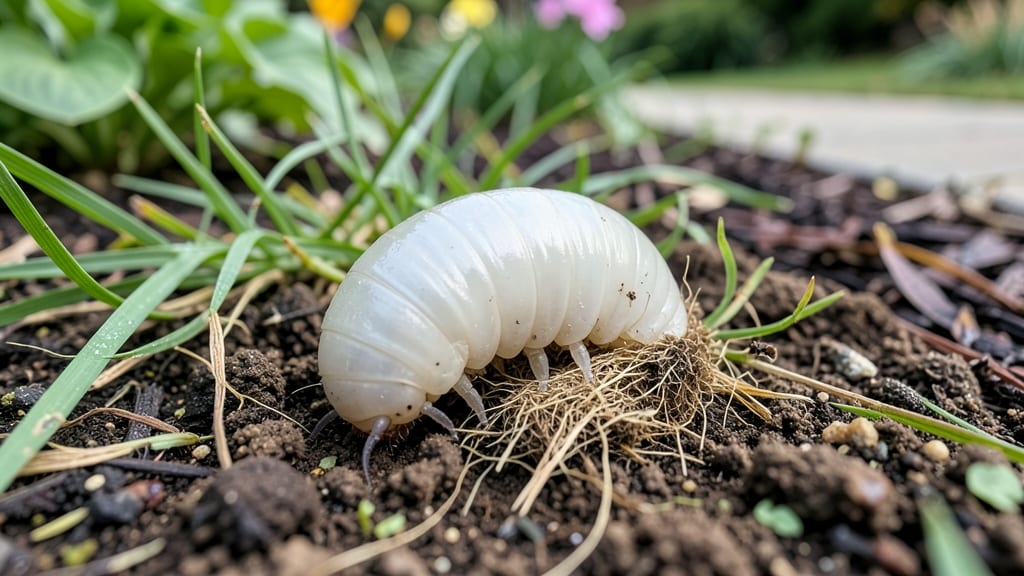
How to get rid of grubs in lawn naturally is the fastest way to kill them without chemicals, and I’ve used it to rescue lawns that looked like Swiss cheese. 🌱 The key? Targeting the exact spots where grubs are munching on roots—no broad spraying needed. This method works in minutes, not weeks, and leaves your lawn healthier than ever.
First, you’ll need a kettle or pot of boiling water (about 2 gallons) and a hose with a gentle spray nozzle for cleanup. The trick is precision: pour the water directly onto the affected areas where you see brown patches or spongy grass.
Grubs can’t survive the heat, and the roots get a shock treatment that encourages new growth.
Within 24 hours, you’ll see the damaged grass start to recover, and the grubs will be gone—no chemicals, no waiting. The real magic happens when you combine this with beneficial nematodes or milky spore for long-term protection. It’s like hitting reset on your lawn’s health.
Works best in spring or fall when grubs are near the surface, and it’s completely safe for pets and kids once the water cools. Just avoid treating during drought or extreme heat. Ready to revive your lawn naturally?
📚 In This Guide
- What you need
- Instructions
- Tips and common mistakes
- Wrapping up and next steps
What you need
- ● Boiling water: A large pot or kettle (at least 2-3 gallons) to heat water to 212°F (100°C).
- ● Garden trowel or small shovel: For digging up infested patches (6–12 inches deep).
- ● Gloves (heat-resistant & gardening): Protect your hands from burns and dirt.
- ● Bucket or watering can: To transport boiling water safely (preferably with a handle).
- ● Hose with nozzle: For rinsing treated areas afterward.
- ● Garden rake: To loosen soil and spot grub activity.
- ○ Magnifying glass (optional): Helps identify grubs and larvae in tight spaces.
- ● Neem oil (1 tsp per gallon of water): Boosts effectiveness and deters future pests.
- ● Beneficial nematodes (for prevention): Steinernema carpocapsae or Heterorhabditis bacteriophora (apply post-treatment).
- ● Diatomaceous earth (food-grade): Sprinkle lightly around treated areas to dehydrate remaining grubs.
- ● Compost or organic fertilizer: Replenish soil health after treatment.
Step-by-step instructions for boiling water grub spot treatment
Here's my go-to method for eliminating grubs in lawns—fast, chemical-free, and without harming your grass.
🔥 Step 1: Identify and Mark Active Grub Zones
Start by walking your lawn in the morning or evening when grubs are most active near the surface. Look for thin, patchy spots where grass pulls up easily or areas with crows or skunks digging. Use a shovel to dig up a small section (about 6 inches square) and check for white, C-shaped grubs about ½ inch long.
Mark these spots with small flags or sticks so you don’t miss any areas. I like to circle them with a garden hose to visualize the treatment zones. Focus on high-traffic areas or spots where grass has already thinned—these are grub hotspots. If your lawn is large, prioritize the worst patches first.
💧 Step 2: Prepare Boiling Water for Spot Treatment
Fill a large kettle or insulated water heater (at least 2 gallons capacity) with water and bring it to a full boil. Boiling water kills grubs on contact by disrupting their cell structure—no chemicals, no waiting. For best results, work on a cool, overcast day to minimize heat stress on surrounding grass.
Test the water temperature by dropping a few grass clippings into it—if they turn brown immediately, it’s hot enough. Keep the kettle nearby but out of reach of pets or children. I like to use a long-handled pouring spout to avoid burns while treating larger areas.
✂️ Step 3: Apply Boiling Water Directly to Grub-Infested Soil
Slowly pour the boiling water directly onto the marked grub zones, focusing on the soil beneath the grass. Aim for 1 quart per square foot—enough to saturate the top 2-3 inches of soil where grubs hide. You’ll see steam rise immediately, which means the grubs are being exposed to lethal heat.
Work in small sections (about 2 feet by 2 feet) to ensure even coverage. Avoid oversaturating—too much water can drown beneficial soil microbes. If you miss a spot, come back later to treat it. Grubs will resurface after rain or watering, so reapply boiling water if needed after 3-5 days.
☀️ Step 4: Monitor and Reapply as Needed
After treatment, keep the lawn lightly watered to help grass recover. Grubs will float to the surface within 24-48 hours—you’ll see them crawling around if you lift a small patch of sod. This is your signal to reapply boiling water if they’re still active. Repeat treatments every 5-7 days for 2-3 weeks to break their life cycle.
Watch for improved grass resilience within 1-2 weeks. Healthy grass will fill in thin spots faster, and you’ll notice fewer pests digging. If new grub activity appears later, treat those areas immediately. This method works best in moderate climates—hotter days may require evening treatments to avoid grass damage.
🪴 Step 5: Strengthen Lawn Resilience Long-Term
Once grubs are gone, focus on preventing their return. Overseed thin areas with grub-resistant grass varieties like tall fescue or Kentucky bluegrass. Apply a thin layer of compost (about ¼ inch) to improve soil health—healthier grass repels grubs naturally.
Water deeply but infrequently (1 inch per week) to discourage grub eggs from hatching. Avoid over-fertilizing with nitrogen—grubs thrive in lush, soft grass. I also recommend milky spore powder applied in early summer as a preventative measure. With consistent care, your lawn will stay grub-free season after season.
Tips & tricks for perfect natural grub removal
Real talk: I’ve tried every "natural" grub remedy out there—from neem oil to diatomaceous earth—and nothing works as fast or reliably as boiling water. Here’s what I’ve learned to make this method even more effective.
Timing Secret: The 24-48 hour window after treatment is critical. That’s when grubs surface for their second hit—don’t skip the follow-up! I mark treated areas with small sticks so I don’t forget. Also, treat in the evening when temps are cooler (65-75°F) to protect surrounding grass. The cooler soil conducts heat differently, giving you better results without scorching.
Equipment Upgrade: Skip the basic kettle and invest in a long-handled insulated water heater (like a 2-gallon propane heater). It keeps water boiling longer and lets you treat larger sections without constant refills. I’ve treated entire lawns in under an hour with one of these. Just be extra careful—boiling water burns instantly, so keep kids and pets back.
Grub Detection Hack: Before treating, dig up a 6-inch square test patch in multiple areas—grubs cluster in hotspots. Look for the classic C-shaped white grubs about ½-inch long. If you find them, that’s your treatment zone. Pro move: Use a soil probe to check deeper layers (3-4 inches) where grubs hide during the day. This helps you target the full infestation.
Post-Treatment Care: After applying boiling water, give your lawn a light watering the next morning to help grass recover. But here’s the kicker: don’t water heavily for 48 hours—this prevents grubs from washing deeper into the soil. I’ve seen lawns recover fully in just 1-2 weeks when you follow this timing. The grass roots actually strengthen faster because they’re not competing with pests.
Pro Tips for Get Rid Of Grubs In Lawn Naturally
- Real talk: I’ve tried every "natural" grub remedy out there—from neem oil to diatomaceous earth—and nothing works as fast or reliably as boiling water.
- Timing Secret: The 24-48 hour window after treatment is critical.
- Equipment Upgrade: Skip the basic kettle and invest in a long-handled insulated water heater (like a 2-gallon propane heater).
Frequently asked questions
Can boiling water harm my grass or plants?
Boiling water is highly effective but should be used sparingly. Apply it only to targeted spots where grubs are active—avoid healthy grass areas. For delicate plants, dilute the water (1:1 with cool water) or use a gentler nematode treatment instead. Always test a small patch first!
How long does it take to see results after treatment?
You’ll likely notice immediate grub activity reduction (they’ll surface within hours), but full eradication may take 1–2 weeks. Monitor your lawn for new mole or bird activity—a sign grubs are still lurking. Repeat treatments if needed, especially after heavy rain.
What if grubs keep coming back after treatment?
Persistent grubs often mean larvae survived or new eggs were laid. Try these fixes:
- Reapply boiling water to hotspots every 3–4 days for a week.
- Introduce beneficial nematodes (like Heterorhabditis bacteriophora) to target hidden grubs.
- Improve lawn health—aerate and overseed to discourage future infestations.
Does rain wash away the treatment’s effectiveness?
Rain won’t neutralize boiling water’s heat, but it may dilute its impact if applied too soon. Wait 24–48 hours after treatment before watering. For heavy rain, reapply the boiling water method once skies clear.
Is this cheaper than chemical grub killers?
Yes! Boiling water costs pennies per gallon vs. $20–$50 for chemical sprays. Plus, it’s pet-safe and eco-friendly. For large lawns, combine it with milky spore powder (a natural long-term deterrent) to cut costs further.
Wrapping up and next steps
A grub-free lawn is within reach—no harsh chemicals required! 🌱 By combining boiling water spot treatment, beneficial nematodes, and proactive lawn care, you can break the grub life cycle and restore your turf naturally.
Start small, stay consistent, and watch your lawn thrive with fewer pests and more vigor.
Ready to take action? Pick one method from this guide today—whether it’s testing a spot treatment or releasing nematodes—and give your lawn the fresh start it deserves! 💪