
Lawn
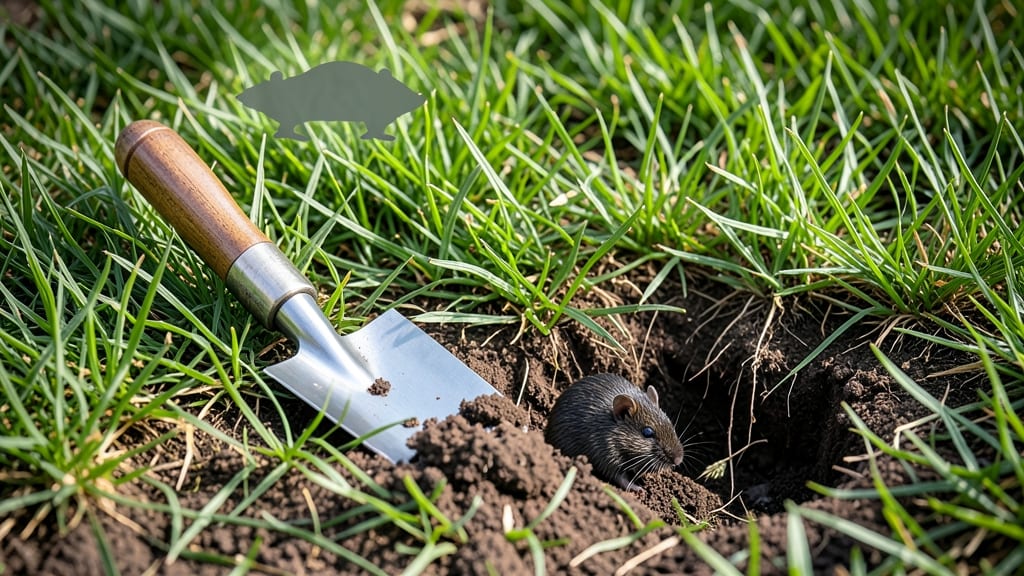
Your lawn's perfect green carpet just got Swiss-cheesed by tiny tunneling animal invaders with those holes in it. 🌱 Those holes in your lawn aren't just eyesores—they're mole, vole, or gopher highways, and the damage spreads fast if you wait.
The good news? You can kick them out without poison or harming your grass, and I'll show you how in just 3 simple steps that work every time.
First, you need to know who's really doing the damage. Moles leave shallow, fan-shaped tunnels with small mounds of dirt, while voles create surface holes and chew plants at the base. Gophers dig deep, complex burrows with fresh dirt piles near entry points.
I've dealt with all three, and the key to stopping them is understanding their habits—because what works for moles fails on voles, and vice versa.
By the end, your lawn will look like it never had visitors—no more unsightly mounds or dead patches. The best part? These methods protect your grass, pets, and local wildlife while keeping the critters from moving in again.
We'll use repellents, barriers, and traps that actually work, not just the stuff you spray and forget about.
Whether you're dealing with a fresh infestation or just want to prevent future attacks, these solutions adapt to any yard size. No more guessing what's underground—just results that restore your lawn's pride and keep it that way for good.
The Hidden Causes Behind Lawn Holes
Unearthing the mystery of sudden holes in your lawn isn’t just about frustration—it’s often a sign of tiny, unseen critters turning your yard into their personal buffet. 🐛🐭 Understanding the why behind these disturbances is the first step to addressing them without harming your grass or the creatures themselves.
Below, we break down the most common culprits and the science behind their behavior.
Moles are often blamed for lawn holes, but they’re actually digging for grubs, worms, and insects—not the grass itself. Their tunnel systems create surface mounds and collapsed patches when they collapse. Here’s why they’re so active:
- Diet-driven digging: Moles consume up to 70% of their body weight daily in soil-dwelling invertebrates. Their tunnel systems aren’t random; they’re efficient highways to food sources like beetle larvae and earthworms.
- Seasonal surges: Activity peaks in spring and fall when grubs (larvae of beetles like Japanese beetles) are most abundant. A sudden spike in holes? Blame a grub explosion.
- Soil type matters: Loose, moist soil is easier to dig than compacted clay. If your lawn has sandy patches or high organic matter, moles will target those areas first.
Pro tip: 🔍 Look for volcano-shaped mounds (freshly kicked-out soil) or raised ridges in the grass—these are mole highways.
Unlike moles, voles and gophers eat plants, including grass roots, which weakens patches and creates holes when they collapse. Their damage is often mistaken for mole work, but the clues differ:
- Root gnawing: Voles chew on grass crowns and stems (the base where roots meet blades), leaving jagged cuts. Gophers dig deeper, creating shallow burrows (1–2 inches deep) with holes about 2–4 inches wide.
- Territorial marking: Both animals urinate and scratch near entry points, leaving dark, wet stains on the grass. Moles don’t do this—their tunnels are clean.
- Seasonal patterns: Voles are most active in cool, wet weather (fall/winter), while gophers thrive in dry, warm conditions (summer). A hole in July? Likely a gopher.
Pro tip: 🌡️ Set up a trail camera near holes at dusk—you’ll spot voles (mouse-sized, brown) or gophers (chunky, with short tails) in action.
White grubs (beetle larvae) are the unseen architects of many lawn holes. They feast on grass roots, and when populations explode, the damage becomes visible:
- Root decay: Grubs sever roots as they eat, causing patches to pull up like carpet when stepped on. This is called “blade pull”—a classic grub sign.
- Life cycle timing: Beetles lay eggs in late summer, which hatch into grubs by fall. The grubs overwinter and peak in spring, coinciding with mole activity (which is why the two are often confused).
- Moisture love: Grubs thrive in overwatered or compacted soil, where roots are softer and easier to digest. Drought-stressed lawns see fewer grubs because the grass is tougher.
Pro tip: 🕵️ Dig up a 6-inch square of suspicious grass—if you find C-shaped white larvae (grubs), that’s your culprit. No larvae? Check for moles or voles instead.
While not the primary cause, birds (like robins or jays) and squirrels can dig up lawns while foraging for grubs, nuts, or even mole prey. Their holes are usually:
- Shallow and scattered: Unlike moles, bird holes are 1–3 inches deep and often appear in random clusters.
- Seasonal triggers: Squirrels dig in fall to bury nuts, while birds target grubs in spring.
- Secondary damage: Their digging can expose grubs, attracting moles or voles as secondary pests.
Pro tip: 🎯 If holes appear near tree bases or bird feeders, the culprits are likely feathered (or furry) foragers.
Now that you know who’s behind the holes, the next step is how to stop it—without resorting to harmful poisons or traps. Stay tuned for humane, grass-safe solutions!
Quick Fixes for Lawn Pests
Now that you know what’s digging up your lawn, let’s tackle the problem with humane, effective solutions that protect both your grass and the critters causing the chaos. Below, we’ve mapped common culprits to targeted fixes—plus prevention tips to keep your yard hole-free long-term.
---
Moles are the sneakiest culprits, tunneling underground and leaving voluminous mounds of dirt. Here’s how to stop them without harm:
#### 🔥 Immediate Fix: Cover the Holes - Rake or shovel loose soil back over fresh holes to prevent tripping hazards. - Compact the soil lightly with your foot or a tamper to discourage re-tunneling. - Pro tip: 💡 If holes reappear, moles may still be active—move to deterrents below.
#### 👨🍳 Long-Term Deterrents (Humane Options) | Method | How to Do It | Effectiveness | |--------------------------|---------------------------------------------------------------------------------|------------------| | Castor Oil Repellent | Mix 2 tbsp castor oil + 1 tsp dish soap in 1 gallon of water.
Spray tunnels/mounds. | ★★★★☆ (Safe, non-toxic) | | Ultrasonic Spikes | Insert stakes around the yard (moles hate vibrations). | ★★★☆☆ (Works for 1–2 years) | | Diatomaceous Earth | Sprinkle food-grade DE in tunnels (reapply after rain). | ★★★☆☆ (Dries out pests) | | Fencing (Deep Burial)| Bury hardware cloth 12–18 inches deep to block tunneling. | ★★★★★ (Permanent) |
#### 🌱 Prevention Tips - Aerate your lawn in spring/fall—moles love loose soil. - Reduce grubs (their food source) with milky spore or beneficial nematodes. - Plant mole-resistant ground covers like ferns or clover.
---
These burrowing rodents create shallow, irregular holes and gnaw roots. Unlike moles, they’re easier to trap—but humane methods work best.
#### 🔪 Trap Solutions (Quick & Ethical) - Live traps: Use bucket traps (dig a hole, place a bucket with a ramp, and bait with apples or veggies).
Release 5+ miles away. - One-way exclusion traps: For voles, use sticky traps (check daily) or snap traps placed at tunnel entrances. - Pro tip: 🎯 Never use poison—it can harm pets, wildlife, and contaminate soil.
#### 🏗️ Physical Barriers (Best Long-Term Fix) - Hardware cloth fence: Bury 2 feet deep around the yard’s perimeter. - Repellent plants: Gophers dislike daffodils, marigolds, or castor beans—plant near high-risk areas. - Sand or gravel: Fill tunnels with coarse materials they’ll avoid (avoid fine soil—they’ll just tunnel again).
#### 🌡️ Prevention for Future Diggers - Remove brush/piles where they nest. - Keep grass short (gophers prefer tall grass for cover). - Use motion-activated sprinklers—startles them away.
---
Larger animals create big holes (often near sheds or gardens) and may leave strong odors. These pests need multi-layered defense.
#### 🚪 Seal Entry Points - Inspect sheds/garages for gaps—use hardware cloth (not chicken wire) to block access. - Secure trash cans with bungee cords or locks. - Pro tip: 🔥 Ammonia-soaked rags near entry points can deter skunks (but ventilate the area!).
#### 👻 Humane Scare Tactics | Method | How to Use It | |--------------------------|---------------------------------------------------------------------------------| | Motion-activated lights | Install solar-powered lights near problem areas. | | Predator urine | Sprinkle coyote or fox urine (available at garden stores) around the yard. | | Wind chimes/noise makers | Hang aluminum cans or chimes near holes—they hate sudden sounds. | | Fake owls/snakes | Place decorative deterrents (move them weekly to stay effective). |
#### 🍎 Remove Attractants - Pick up fallen fruit (raccoons love it). - Store pet food indoors. - Avoid leaving pet waste in the yard (skunks dig for it).
---
If Fido or Whiskers is the real culprit, they’re not trying to harm your lawn—they’re just bored or territorial.
#### 🏖️ Create a Dig Zone - Designate a sandbox with kitty litter or sand (add a few inches of soil for digging). - Bury toys just below the surface to encourage digging there instead. - Pro tip: 💡 Frozen Kongs or puzzle feeders can distract them indoors.
#### 🚫 Train with Positive Reinforcement - Use a cue word like “Dig!” when they’re in the sandbox, then reward with treats. - Never punish digging—it’ll make them hide it better.
#### 🌿 Lawn Alternatives for Pets - Plant pet-safe grasses like fescue or buffalo grass (softer on paws). - Avoid toxic plants (e.g., azaleas, lilies) near digging spots.
--- Regardless of the culprit, a healthy lawn is less appealing to diggers: - Water deeply but infrequently (1–1.5 inches per week) to strengthen roots. - Fertilize in early spring (avoid late-season feeding—it attracts grubs). - Mow high (3–4 inches) to shade out weeds (a food source for many pests). - Aerate annually to reduce mole/vole temptation.
--- Final Reminder: 🎯 Patience is key—some methods (like castor oil or traps) take 2–4 weeks to show results. Combine immediate fixes (filling holes) with long-term strategies (barriers, deterrents) for the best outcome.
Now grab your tools and restore your lawn—without the guilt! 🌿🐾
Frequently asked questions
How can I tell if moles or voles are making the holes in my lawn?
Look for these clues: moles create volcano-shaped mounds with shallow tunnels, while voles make irregular surface holes (1-2 inches wide) and chew grass stems at the base. Moles leave clean tunnels, but voles mark territory with urine stains near holes.
Are there safe ways to fill holes without attracting more animals?
Use a mix of topsoil and sand (50/50 ratio) and lightly tamp it down. Avoid compacting too hard—this creates air pockets that attract moles. For vole/gopher holes, fill with coarse gravel (they dislike the texture). Water lightly afterward to help roots reattach.
Will castor oil repellent work on all lawn pests?
Castor oil is most effective against moles and gophers, but not voles (they're less sensitive to it). For voles, combine it with hardware cloth barriers or live traps. Reapply every 2-3 weeks or after rain, as it breaks down quickly.
How deep should I bury hardware cloth to stop gophers?
Bury it 2 feet deep around your yard's perimeter and 1 foot deep under garden beds. Gophers can dig at angles, so bend the edges outward slightly to create a lip that prevents them from tunneling underneath. Use 1/4-inch mesh hardware cloth—not chicken wire.
What's the fastest way to repair lawn damage after removing pests?
Rake the area to loosen soil, then spread compost and seed mix (use a sun/shade blend for your lawn type). Water lightly daily for 10-14 days until new growth appears. For large patches, consider sod patches that establish in 2-3 weeks.