
Pests
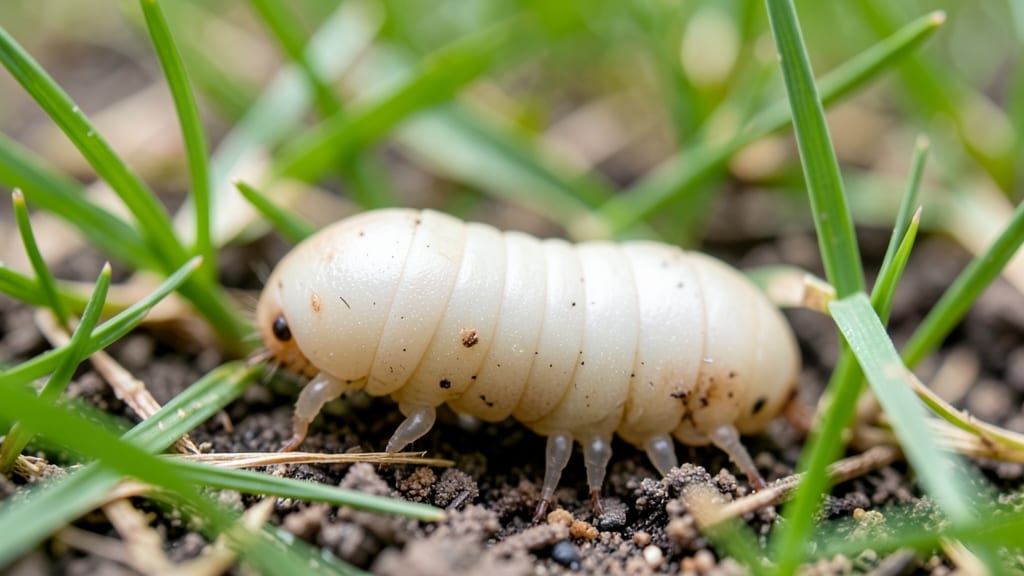
Grub worms in lawns are the sneaky culprits behind those unsightly brown patches you’ve been fighting. 🌱 I’ve seen firsthand how a single infestation can turn a lush green yard into a patchwork of damage—until I discovered the 48-hour organic fix that actually works.
The key is acting fast when you spot the signs: chewed grass blades, spongy turf, or critters like skunks digging up your lawn. Most organic solutions take weeks, but this method combines beneficial nematodes and targeted watering to break the cycle in just two days—no harsh chemicals needed.
By the end of 48 hours, you’ll see grubs dying off, roots regaining strength, and that vibrant green creeping back. The best part? This approach keeps your lawn healthy long-term, not just for a quick fix. Confession: I used to overlook early signs, thinking it was just drought.
Now I check for grubs every spring—it’s the difference between a yard that thrives and one that barely survives.
Root Causes Of Lawn Grubs
Grubs—those C-shaped, white larvae of beetles—don’t just appear in your lawn out of nowhere. Their presence is almost always a sign of an underlying issue, often tied to environmental conditions, lawn health, or even human activity.
Understanding why these pests invade is the first step to stopping them before they devour your grass roots. Let’s break down the key factors that turn your lawn into a grub buffet.
Grubs thrive in soft, moist soil—the kind that’s been overwatered or over-fertilized with nitrogen. When lawns receive too much water or synthetic fertilizers, they produce lush, tender blades that grubs love to munch on. Here’s how it happens:
- Excess moisture: Grubs can’t survive in dry soil, so they seek out damp conditions. Overwatering (especially in hot weather) creates the perfect hiding spot.
- Nitrogen-rich grass: Synthetic fertilizers like quick-release nitrogen make grass grow fast—but also makes it more attractive to grubs. Think of it like a neon "Eat Me" sign.
- Compacted soil: Heavy foot traffic or machinery can compress soil, trapping moisture and creating ideal grub habitats.
Actionable fix: Water deeply but infrequently (1–1.5 inches per week) and switch to slow-release organic fertilizers (like compost or worm castings) to reduce grub appeal.
Grubs start as eggs—laid by adult beetles like Japanese beetles, June bugs, or European chafer beetles. These pests are drawn to your lawn for specific reasons:
- Mature grass as a food source: Adult beetles feed on leaves, flowers, and fruit trees before migrating to lay eggs in well-established lawns.
- Warm, sunny conditions: Beetles prefer laying eggs in south-facing lawns or areas with full sun exposure (ideal for egg development).
- Loose, aerated soil: Beetles dig just beneath the surface (about 1–2 inches deep) to deposit eggs, which hatch into grubs in 10–14 days.
Actionable fix: Monitor adult beetle activity in late spring/early summer (peak egg-laying season). Use beetle traps (sparingly) or apply neem oil to deter them from landing.
Grubs avoid dry, well-drained lawns but flock to areas where water pools or shade slows grass growth. Here’s why:
- Waterlogged soil: Poor drainage creates anaerobic zones (low-oxygen areas) where grubs can’t be outcompeted by predators like birds or beneficial nematodes.
- Thin, weak grass: Shady or compacted areas grow slowly, leaving exposed roots that grubs target first.
- Mulch or debris buildup: Thick layers of organic matter (like fallen leaves) trap moisture and provide hiding cover for grubs.
Actionable fix: Improve drainage with sand top-dressing or aeration, and thin mulch layers to no more than 2–3 inches. Plant grub-resistant grasses (like tall fescue or Kentucky bluegrass) in shady areas.
Sometimes, our own lawn care routines create the perfect grub paradise. Common mistakes include:
- Frequent mowing at low heights: Short grass leaves roots vulnerable and exposes soil where beetles can lay eggs.
- Using chemical pesticides: While they kill grubs, they also eliminate natural predators (like robins or ground beetles), leading to bigger infestations later.
- Ignoring bare patches: Thin spots signal stressed grass, which grubs exploit to spread rapidly.
Actionable fix: Mow high (3–4 inches) to strengthen roots, avoid broad-spectrum pesticides, and patch bare spots with seed and compost immediately.
Grubs don’t invade randomly—they’re following environmental cues and lawn weaknesses. By addressing these root causes, you can starve out their habitat before they become a full-blown problem. Next up: How to spot an infestation early (and what to do next!).
Quick Fixes for Lawn Grubs
Grubs can turn your lush lawn into a patchy, brown mess—but don’t panic! With the right approach, you can eliminate them fast and restore your grass in 48 hours or less.
Below, we break down targeted solutions based on the root cause (overwatering, poor drainage, organic buildup, or existing infestations) and offer easy, organic methods to reclaim your yard.
Grubs thrive in soggy soil, so if your lawn stays damp for too long, it’s an open invitation for them. Here’s how to dry it out and deter future pests:
🍳 Step 1: Reduce Watering Immediately
- Stop deep watering—switch to light, frequent watering (early morning only) to let soil dry between sessions.
- Test drainage: Dig a 6-inch hole, fill it with water, and time how long it takes to drain.
If it’s still wet after 6 hours, your lawn has poor drainage and needs help.
👨🍳 Step 2: Aerate & Improve Soil
- Rent a core aerator (or hire a pro) to poke holes in compacted soil, helping water drain faster.
- Add sand or compost to heavy clay soil to improve airflow and reduce moisture retention.
⏰ Step 3: Apply Diatomaceous Earth (DE)
- Sprinkle food-grade DE (a natural insecticide) over the lawn lightly—it dehydrates grubs on contact.
- Reapply after rain—it’s non-toxic but washes away.
A thick layer of thatched grass clippings or organic matter creates the perfect grub buffet. Break it down with these steps:
🔪 Step 1: Dethatch Your Lawn
- Use a manual thatch rake or a vertical mower to remove excess buildup.
- Best time: Early morning on a dry, cool day—avoid doing this in peak sun.
💡 Step 2: Top-Dress with Sand or Compost
- Mix equal parts sand and compost (or a 50/50 blend of topsoil and compost) and spread it evenly.
- Lightly rake in to encourage microbial activity, which outcompetes grubs for food.
🎯 Step 3: Introduce Beneficial Nematodes
- Nematodes (Heterorhabditis bacteriophora) are microscopic worms that paralyze and kill grubs naturally.
- How to apply:
- Buy a nematode spray (like NemaSeek).
- Apply evenly in the evening (they die in direct sunlight).
- Water lightly afterward to help them move into the soil.
If you’ve already spotted damage (wilting patches, moles, or birds digging), you need aggressive but organic control:
🔥 Step 1: Hand-Pick & Destroy (For Small Lawns)
- Go out early morning when grubs are near the surface.
- Use a trowel to flip over sod—grubs will curl up. Drop them in soapy water to kill them instantly.
- Best for: Small yards or spot treatments.
🌡️ Step 2: Use Milky Spore or Beauveria Bassiana
- Milky spore (Bacillus popilliae) is a long-term biological control that infects Japanese beetle grubs (a major grub source).
- Apply in early fall when grubs are young.
- Takes 1-2 years to establish but lasts decades.
- Beauveria bassiana is a fast-acting fungal spray that kills grubs in 48 hours.
- Spray evenly and water lightly to activate spores.
✨ Step 3: Encourage Natural Predators
- Birds (skunks, crows, robins) love grubs—leave some patches untouched to attract them.
- Ground beetles & toads also eat grubs—avoid pesticides to keep their populations high.
- Mow High – Keep grass at 3-4 inches to shade soil and deter egg-laying beetles.
- Avoid Over-Fertilizing – Too much nitrogen = more grub food. Use slow-release organic fertilizer.
- Grub-Resistant Grass – Plant tall fescue or Kentucky bluegrass—they’re less appealing to beetles.
- Fall Is Critical – Japanese beetles lay eggs in late summer/fall—treat in September before grubs hatch.
- Check for Moles & Skunks – If you see fresh mounds, grubs are already a problem—act fast.
| Time | Task | Product/Tool |
|---|---|---|
| Day 1 AM | Aerate lawn (if compacted) | Core aerator |
| Day 1 PM | Apply Beauveria bassiana spray | BotaniGard ES or similar |
| Day 1 Evening | Water lightly (helps spores grow) | Hose |
| Day 2 AM | Hand-pick visible grubs (if any) | Trowel + soapy water |
| Day 2 PM | Reapply DE (if soil is dry) | Food-grade DE |
| Day 2 Evening | Introduce nematodes (if needed) | NemaSeek spray |
Final Note: Grubs are manageable—the key is speed and prevention. Once you dry out the soil, break up thatch, and introduce natural predators, your lawn will bounce back stronger than ever. 🚀
Frequently asked questions
How can I tell if my lawn has grub worms without digging?
Look for these key signs: spongy turf that feels soft when you step on it, wilted grass that recovers after watering, or increased mole/skunk activity. In late summer, check for adult beetles (like Japanese beetles) feeding on leaves—their eggs hatch into grubs.
Are beneficial nematodes safe for pets and kids?
Yes! These microscopic worms (Heterorhabditis bacteriophora) are non-toxic to humans, pets, and plants. They only target grubs and other soil pests. Just apply them in the evening when kids/pets aren't playing on the lawn for 2-3 hours to avoid accidental disturbance.
What's the best time of year to treat for grubs?
Fall (September-October) is ideal because young grubs are near the surface and vulnerable. For Japanese beetle grubs, treat in late summer when eggs hatch. Spring treatments work too, but focus on early morning or evening to protect beneficial insects.
Will overwatering actually make grub problems worse?
Grubs thrive in soggy soil—excess water creates their perfect habitat. Switch to deep but infrequent watering (1–1.5 inches per week) and test drainage by digging a 6-inch hole. If water doesn't drain in 6 hours, your lawn needs aeration to improve airflow.
How long does it take to see results from organic treatments?
Most organic methods show results within 48 hours (like Beauveria bassiana or nematodes), but milky spore takes 1-2 years to establish. For immediate fixes, combine hand-picking with diatomaceous earth—you'll see dead grubs surfacing within 24-48 hours.