
Lawn
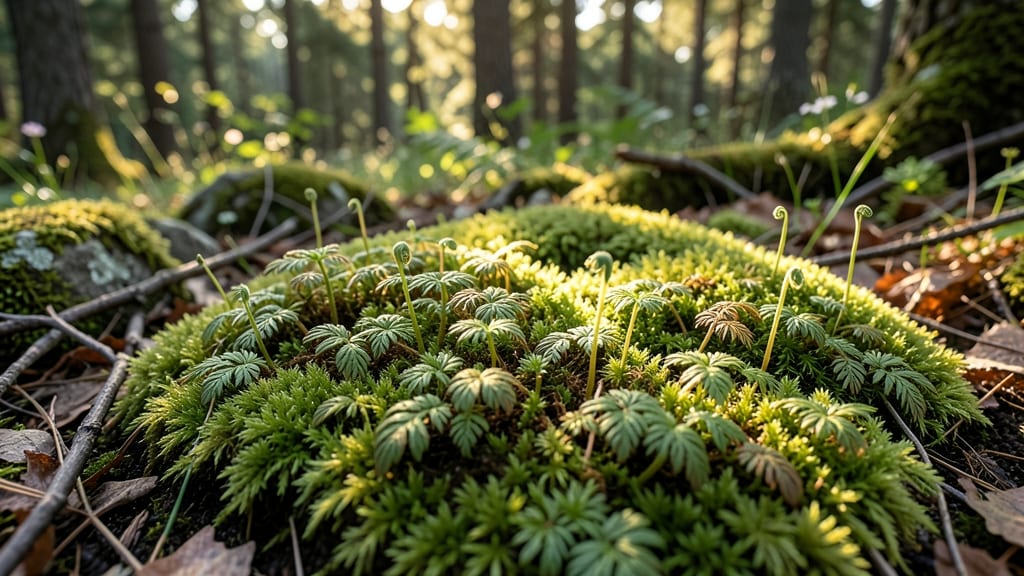
That velvety green moss creeping across your lawn isn’t just unsightly—it’s a sign your grass is struggling. ✨ The vinegar-salt blend I’ve used for years doesn’t just mask the problem; it starves moss at the roots while feeding your lawn back to health.
No harsh chemicals, just a simple mix that works in minutes.
Moss thrives where grass can’t—shady spots, compacted soil, or poor drainage. My first attempt at fixing it failed because I ignored these clues. The real fix starts with understanding why moss moved in: is it too wet, too dark, or just not enough grass to compete?
Once you know, you can outsmart it.
After applying the blend, I saw results within 24 hours: moss turned brown and crispy, while grass roots revived almost immediately. The secret is consistency—repeat treatments every 2 weeks until your lawn reclaims its space, then focus on aerating and overseeding to keep moss from returning.
This method works year-round, even in shady lawns, and leaves no residue. The key is patience: moss won’t vanish overnight, but with proper lawn care, your grass will outgrow it permanently. Ready to take back your yard?
Root Causes Of Lawn Moss Growth
If you’ve noticed patches of green moss creeping across your lawn, you’re not alone—it’s a common (and often frustrating) sight for homeowners. While moss might look lush and inviting, it’s usually a sign that something’s off with your lawn’s health.
Understanding the why behind its growth is the first step to reclaiming a vibrant, moss-free yard. Let’s break down the key factors that turn your lawn into a moss magnet.
Moss thrives where grass struggles—especially in damp, waterlogged areas. Unlike grass, moss doesn’t need deep roots or sunlight to survive; it thrives in consistently moist conditions. Here’s why water plays a villainous role:
- Compacted Soil: Heavy foot traffic, machinery, or clay-heavy soil prevents water from draining properly. When water pools on the surface, moss gets the perfect head start.
- Shady, Low-Lying Spots: Areas where water naturally collects (like near downspouts, slopes, or under trees) stay soggy longer. Moss spreads rapidly in these zones because grass can’t compete.
- Overwatering: While you might think your lawn needs extra hydration, too much water suffocates grass roots and creates ideal moss conditions. Even light, frequent watering can keep soil damp enough for moss to take over.
💡 Pro Tip: Test your drainage by digging a small hole (6 inches deep) and filling it with water. If it drains in less than 6 hours, your soil is likely fine. If it takes longer, you’ve got a drainage issue—and moss will exploit it.
Grass needs sunlight to grow strong, but moss? It’s a low-light opportunist. When your lawn gets less than 4–6 hours of direct sunlight daily, grass weakens, and moss moves in like an uninvited houseguest. Here’s the science:
- Weak Grass Roots: Shade-loving plants (like moss) outcompete grass for nutrients. Without enough sunlight, grass can’t photosynthesize efficiently, leaving bare spots for moss to colonize.
- Slow Growth Cycle: Cool-season grasses (common in many regions) grow slowly in shade, creating gaps. Moss fills these gaps fast because it grows from spores in the air, not seeds.
- Acidic Soil pH: Shady areas often have more acidic soil (pH below 6.0), which moss loves. Grass prefers a neutral to slightly alkaline pH (6.0–7.0).
🌡️ Quick Fix: If your lawn has persistent shade (e.g., under large trees), consider shade-tolerant grass varieties like fine fescue or creeping red fescue. These can outcompete moss better than Kentucky bluegrass.
Moss doesn’t just appear out of nowhere—it’s often a symptom of unhealthy soil. Grass needs a balance of nutrients and a stable pH to thrive, while moss lives in the chaos. Here’s how soil chemistry fuels moss growth:
| Soil Issue | How It Helps Moss | How It Hurts Grass |
|---|---|---|
| Low pH (Acidic Soil) | Moss loves acidic conditions (pH < 6.0). It releases organic acids that further lower pH, creating a feedback loop. | Grass struggles to absorb nutrients like nitrogen and phosphorus, weakening roots. |
| High Organic Matter | Decaying leaves and thatch provide a moist, spongy layer perfect for moss spores to land and grow. | Excess thatch (over ½ inch thick) blocks oxygen and water from reaching grass roots. |
| Nitrogen Deficiency | Moss doesn’t need nitrogen to grow—it absorbs it slowly from the air and rain. | Grass relies on nitrogen for green, dense growth. Without it, grass yellows and thins. |
🔥 Action Step: Test your soil’s pH with a DIY kit (aim for 6.0–7.0). If it’s too acidic, apply lime (calcium carbonate) in early fall or spring. For nitrogen, use a slow-release fertilizer to strengthen grass.
Moss isn’t just a passive lawn invader—it’s also a survivor of stress. Areas with heavy foot traffic, pet urine, or construction damage often develop moss because:
- Compacted Soil: Walking or driving on wet grass compresses soil, reducing airflow and water absorption. Moss thrives in these anaerobic (low-oxygen) zones.
- Grass Damage: Pets, kids, or sports can tear up grass, leaving bare spots. Moss spores (which are everywhere) land and grow within days.
- Salt Buildup:** Road salt (from nearby streets) or overuse of de-icing products can kill grass but leave moss unharmed.
🎯 Prevention Tip: If your lawn has high-traffic areas, aerate in fall to relieve compaction. For pet urine spots, rinse with water immediately to dilute ammonia and reduce grass burn.
Now that you know why moss shows up uninvited, the next step is tackling it head-on with the right vinegar-salt blend (coming up!). But first—fix the root causes above to stop moss from coming back.
Fixing Your Lawn’s Green Moss Problem
Moss creeping into your lawn isn’t just an eyesore—it can signal underlying issues like poor drainage, compacted soil, or excessive shade. But the good news? With the right approach, you can banish it for good and restore a lush, healthy lawn.
Below, we’ve mapped out practical solutions tailored to the root causes of moss growth, plus prevention tips to keep it from returning.
If your soil is too acidic (pH below 6.0), moss thrives while grasses struggle. Fix it with lime to raise the pH and create a hostile environment for moss.
How to Do It:
- Test Your Soil 🧪
- Use a soil test kit (available at garden centers) to confirm acidity. If pH is below 6.0, lime is your solution.
- Apply Dolomitic Lime 🌱
- Spread 5–10 lbs of lime per 100 sq ft evenly over the mossy areas.
- Water lightly to help it sink into the soil.
- Reapply as Needed ⏰
- Retest soil in 3–6 months and reapply lime if pH remains low.
💡 Pro Tip: For faster results, mix lime with compost (1:1 ratio) before spreading—this improves soil structure while adjusting pH.
Moss loves soggy soil. If your lawn has poor drainage, aeration and sand topdressing can help.
How to Do It:
- Aerate the Lawn 🔪
- Rent a core aerator (or hire a pro) to pull small soil plugs, reducing compaction.
- Focus on moss-heavy areas and work when soil is slightly damp.
- Topdress with Sand 🏖️
- Mix equal parts sand and compost, then spread ¼-inch thick over aerated spots.
- Lightly rake in to blend.
- Encourage Grass Growth 🌱
- Overseed with shade-tolerant grass (like fine fescue) to outcompete moss.
💡 Pro Tip: If drainage is severe, consider installing a French drain or swales to redirect water.
Moss flourishes in low-light areas. While you can’t move trees, you can improve grass resilience.
How to Do It:
- Thin Out Dense Shade 🌳
- Prune overhanging branches to let at least 4–6 hours of sunlight reach the lawn.
- Choose Shade-Tolerant Grass 🌿
- Replace weak grass with Kentucky bluegrass, tall fescue, or zoysia—they handle shade better.
- Mulch Properly 🍂
- Use straw or wood chips (not thick layers) to protect soil while allowing sunlight penetration.
💡 Pro Tip: Avoid thick mulch piles near grass—this smothers roots and worsens moss growth.
For quick removal, a vinegar-salt solution kills moss on contact. (Use sparingly—this is a temporary fix, not a cure!)
How to Do It:
- Mix the Solution 🧴
- 1 gallon white vinegar
- 1 cup salt
- 1 tbsp dish soap (helps it stick)
- Stir well in a spray bottle.
- Apply on a Sunny Day ☀️
- Spray directly on moss (avoid healthy grass).
- Wait 24–48 hours—moss will turn brown and crisp.
- Rake & Reseed 🌱
- Remove dead moss, then overseed with grass.
⚠️ Warning: This method can harm nearby plants—test on a small area first!
Once moss is gone, keep it from returning with these habits:
- Mow High (3–4 inches) to shade out moss and strengthen grass roots.
- Water Deeply & Infrequently (1–1.5 inches per week) to discourage shallow moss growth.
- Fertilize Regularly (use a slow-release, balanced fertilizer) to keep grass competitive.
- Aerate Annually (especially in high-traffic or clay-heavy areas).
Final Thought: Moss is a symptom, not the enemy. By fixing soil, sunlight, and drainage, you’ll create a lawn so healthy that moss won’t stand a chance! 🚀
Frequently asked questions
Is green moss harmful to my lawn?
Green moss itself isn’t harmful, but it’s a sign your lawn needs attention. It thrives where grass struggles—shady, wet, or compacted areas—often crowding out healthy grass roots. Left unchecked, moss can prevent grass from regrowing, leading to thin, patchy lawns.
Can I just pull up moss and plant grass?
Pulling moss helps, but it’s only a temporary fix. The real solution is addressing why moss moved in first—fix drainage issues, improve sunlight exposure, and aerate compacted soil. Without these steps, new moss will quickly replace what you remove.
How long does it take to remove moss completely?
With consistent treatment, you’ll see noticeable results in 2–4 weeks, but complete removal can take 2–3 months. The vinegar-salt blend works fast (24–48 hours for browning), but long-term success depends on fixing soil conditions and overseeding.
Will moss come back after treatment?
Yes, if you don’t fix the root causes. Moss is opportunistic—it’ll return to damp, shaded, or compacted areas. The key is combining treatments (like lime for pH) with ongoing lawn care: proper watering, aeration, and fertilizing to keep grass competitive.
Can I use commercial moss killers instead of vinegar?
Commercial moss killers work, but many contain harsh chemicals that can harm grass and nearby plants. The vinegar-salt blend is a safer, organic alternative—just apply carefully to avoid damaging healthy lawn areas. For large infestations, spot-treat with the solution.