
Lawn
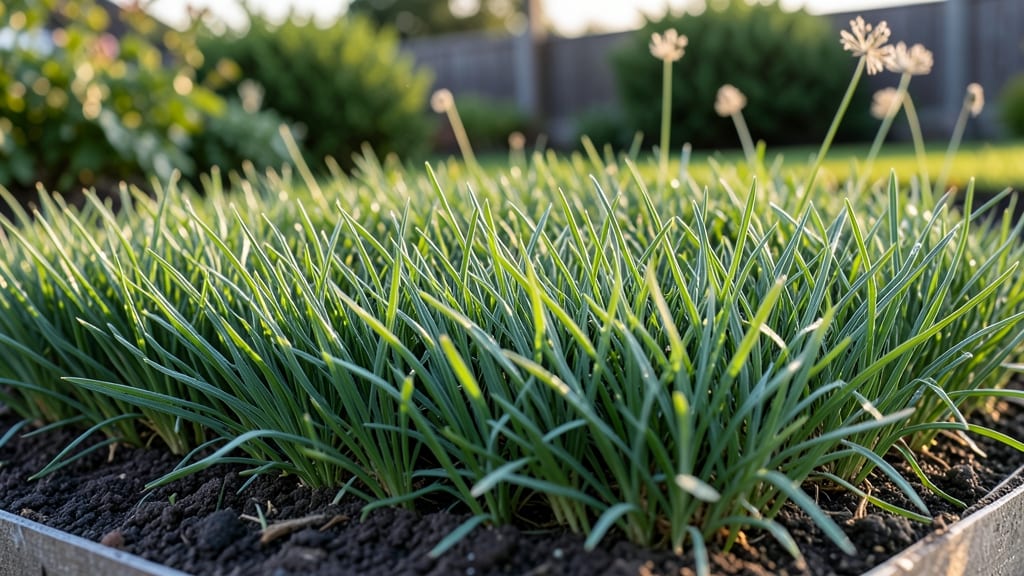
Cold-resistant grass varieties mean a lawn that stays lush even when winter bites. 🌱 I learned the hard way—my first lawn turned brown and patchy by December, but switching to tall fescue and fine fescue blends changed everything.
These grasses thrive in cold climates, bounce back from snow, and stay green longer than Kentucky bluegrass or Bermuda. The secret starts with soil prep: test your soil pH (aim for 6.0-7.0), till in compost, and choose seeds suited to your zone.
Seeding takes 4-6 weeks to establish, while sod gives instant coverage but costs more upfront. Water deeply 2-3 times per week for the first month, then taper to 1 inch weekly once roots grow. By spring, you'll see a thick, vibrant carpet that outlasts summer droughts and winter freezes.
The right mowing height (3-4 inches) keeps grass healthy, and aerating once a year prevents compaction. Weeds? Pull them early before they take root. Works for shady spots, sunny yards, or high-traffic areas. Let's build that resilient lawn!
📚 In This Guide
- What you need
- Instructions
- Tips and common mistakes
- Wrapping up and next steps
What you need
- ● Cold-resistant grass seed: Choose 10-20 lbs per 500 sq. ft. of tall fescue, Kentucky bluegrass, or fine fescue (best for cold climates).
- ● Topsoil or compost: 2-3 inches (for seedbed prep). Opt for organic matter-rich soil (e.g., peat moss or coconut coir).
- ● Lawn fertilizer: Slow-release, cold-tolerant formula (e.g., 16-4-8 NPK ratio). Apply 1 lb per 100 sq. ft..
- ● Lawn mower: Adjustable height setting (ideal for 2.5–4 inches mow height).
- ● Rake: Bow rake (for leveling soil) + leaf rake (for debris cleanup).
- ● Garden hose or sprinkler: Adjustable nozzle for light, frequent watering (¼ inch per week).
- ● Soil tester kit: Check pH (ideal: 6.0–7.0) and adjust with lime/sulfur if needed.
- ● Lawn aerator: Core aerator (rent or buy) for soil compaction relief (spring/fall).
- ● Pre-emergent herbicide: Apply before weeds sprout (follow label rates).
- ● Dethatching tool: If your lawn has a thick thatch layer (> ½ inch).
- ● Soil conditioner: Vermiculite or perlite (for drainage) or gypsum (for clay soil).
- ● Weed barrier fabric: For new lawns in high-weed areas.
- ○ Lawn roller: 100–150 lb for firming seedbed (optional for seed germination).
Instructions: establishing a cold-hardy lawn from seed
Here’s how to grow a resilient, year-round lawn using cold-resistant grass varieties—no shortcuts, just proven techniques.
🌱 Step 1: Prepare the Soil for Optimal Seed Contact
The foundation of a cold-resistant lawn starts with soil that promotes deep root growth. Begin by removing all existing vegetation, debris, and rocks from your yard. I rent a sod cutter for large areas—it’s faster than hand-pulling and ensures a clean slate. Once cleared, loosen the top 6 inches of soil with a rototiller or broadfork, breaking up compacted layers. This step is critical because cold-hardy grasses need well-aerated soil to establish roots before winter.
After tilling, rake the surface smooth with a leveling rake, creating a fine seedbed. The goal is a firm, even base that won’t shift when you walk on it. Press down any low spots with a lawn roller or your boot—uneven soil leads to thin patches. Test the soil’s pH (ideal range is 6.0–7.0 for cold-resistant varieties) using a kit from your local garden center. If needed, amend with sulfur or lime based on the test results. This ensures your grass can access nutrients even in cooler months.
💧 Step 2: Choose and Sow Cold-Resistant Seed Varieties
For year-round lushness, select a cool-season grass blend like Kentucky bluegrass, fine fescue, or tall fescue—these thrive in temperatures down to 15°F and recover quickly after frost. I buy seed from reputable suppliers (like Jonathan Green or Scotts) because they offer pre-mixed blends tailored to your climate zone. Spread the seed evenly using a broadcast spreader, following the rate on the package (typically 5–8 pounds per 1,000 square feet). Walk in a crisscross pattern to avoid missed spots.
Lightly rake the seed into the soil with a stiff-bristled rake, ensuring it makes contact with the soil but isn’t buried deeper than ¼ inch. This shallow coverage prevents seed desiccation while allowing sunlight to trigger germination. Water immediately after sowing—use a fine mist setting on your sprinkler to avoid displacing seeds. Keep the soil consistently moist (not soggy) for the first 2–3 weeks, which is when most cold-resistant grasses sprout. You’ll see first green shoots in 7–14 days, depending on temperature.
☀️ Step 3: Maintain Moisture and Light for Germination
During germination, your lawn’s success hinges on two non-negotiables: moisture and light. Water twice daily (morning and evening) for the first week, applying enough to wet the top 1–2 inches of soil. Use a rain gauge or tuna can to measure—½ inch per session is ideal. Avoid overhead sprinklers if possible; drip irrigation or soaker hoses keep the soil evenly damp without washing away seeds. If rain falls, reduce watering slightly to prevent runoff.
Keep the area free of foot traffic until the grass reaches 2–3 inches tall. Cold-resistant varieties grow slowly at first, so resist the urge to mow too soon. Once the lawn is established (after 4–6 weeks), gradually reduce watering to 1–1.5 inches per week, including rainfall. This encourages deep root growth, which is essential for surviving winter freezes. Watch for even color and density—uneven patches signal poor soil contact or uneven watering.
✂️ Step 4: Mow and Fertilize for Winter Resilience
Wait until the grass reaches 3–4 inches tall before the first mowing. Set your mower blade to 3 inches—taller grass shades the soil, retaining moisture and insulating roots during cold snaps. Never remove more than ⅓ of the grass height in one cutting, or you’ll stress the plant. Bag the clippings initially to avoid thatch buildup, which smothers new growth. After the first few mowings, you can leave clippings on the lawn (they return nutrients to the soil).
Apply a slow-release, cold-resistant fertilizer (like one with 24-0-10 analysis) in early fall, about 6–8 weeks before the first frost. This gives the grass time to absorb nutrients before dormancy. Avoid high-nitrogen fertilizers in late summer—they promote tender growth that freezes easily. In spring, top-dress with ½ inch of compost to improve soil structure and add organic matter. This step is what keeps your lawn lush through multiple freeze-thaw cycles without brown patches.
🌿 Step 5: Overseed and Protect for Year-Round Health
Even cold-resistant grasses thin over time. In early fall (when soil is still warm but nights cool), overseed bare or thin spots with the same variety. Rake the area lightly to loosen soil, then spread seed and water as before. Fall overseeding takes advantage of cooler temperatures and consistent moisture, giving new grass a head start before winter. You’ll see new shoots in 3–4 weeks, filling in gaps before frost sets in.
To shield your lawn from winter damage, apply a light mulch of straw (not hay, which can introduce weeds) over newly seeded areas after germination. This protects tender shoots from temperature swings and drying winds. In spring, remove the mulch once the grass is 2–3 inches tall and actively growing. Avoid heavy foot traffic on frozen or snow-covered lawns—this compacts the soil and smothers roots. With proper care, your cold-resistant lawn will stay green and resilient through winter, ready to bounce back in spring.
Tips & tricks for establishing a cold-hardy lawn
Cold-resistant lawns demand precision—these tricks help you avoid common pitfalls and maximize success.
Soil Prep Secret: In Step 1, don't just till the top 6 inches—focus on breaking up any hardpan layers deeper down. I use a broadfork to aerate compacted soil without disturbing the soil structure too much. This creates channels for roots to penetrate deeply, which is essential for winter survival. After tilling, I run a lawn roller over the area to eliminate air pockets—this ensures consistent seed-to-soil contact when you plant.
Seed Selection Wisdom: When choosing your cool-season grass blend in Step 2, prioritize varieties with high cold tolerance ratings. Look for labels mentioning 15°F or lower survivability. I've found that tall fescue blends often outperform others in harsh winters because they develop deeper root systems. Spread seed in two perpendicular directions to ensure even coverage—this prevents thin spots that become weak points in winter.
Germination Guardian: During the critical 2-3 week germination period in Step 3, I set a reminder to check soil moisture daily. Cold-resistant grasses need consistent moisture, but overwatering can suffocate seeds. I use a moisture meter to verify the top 1-2 inches stay damp—not soggy. If your lawn area is large, consider sectioning it and watering in shifts to maintain even moisture without creating runoff.
Winter Protection Strategy: In Step 5, when applying straw mulch, use barely enough to cover the seed—about ¼ inch thick. Too much can smother new growth, while too little won't provide adequate insulation. I apply it after germination when shoots are about 1 inch tall, which gives them time to establish before winter sets in. This light coverage protects against temperature swings that can damage tender new growth.
Pro Tips for Grass And Lawn
- Cold-resistant lawns demand precision—these tricks help you avoid common pitfalls and maximize success.
- Soil Prep Secret: In Step 1, don't just till the top 6 inches—focus on breaking up any hardpan layers deeper down.
- Seed Selection Wisdom: When choosing your cool-season grass blend in Step 2, prioritize varieties with high cold tolerance ratings.
Frequently asked questions
Got questions about growing a lush, cold-resistant lawn? You’re not alone!
Here are answers to the most common concerns—from timing to troubleshooting—so you can keep your grass thriving all year.
What’s the best time to plant cold-resistant grass seed?
For cool-season grasses (like Kentucky bluegrass or fescue), plant in early fall (September–October) or early spring (March–April). These times let seeds germinate in mild temps, giving roots time to establish before harsh winters. Avoid summer heat, which stresses young grass.
Can cold-resistant grass survive winter without extra care?
Yes! Varieties like tall fescue or perennial ryegrass stay green in light frost and bounce back in spring. Still, avoid walking on frozen lawns and leave grass taller (3–4 inches) in winter for insulation. A light layer of mulch in fall can help too!
Are cold-resistant grasses more expensive than regular seed?
Not necessarily! While premium blends (e.g., cold-hardy fescue mixes) may cost $10–$20 per pound, they outperform cheaper annual ryegrass long-term. Check local nurseries for bulk discounts or seed coupons—often $5–$15 for starter packs.
How do I fix patchy grass after a harsh winter?
Start by raking out dead patches and loosening soil with a garden fork. Sprinkle new seed (matching your existing grass type), cover lightly with compost, and water daily for 2 weeks. For stubborn spots, try a soil test—poor drainage or compacted soil can kill grass.
What’s a low-maintenance alternative to traditional lawns?
Consider clover mixes (drought-tolerant, nitrogen-rich) or microclover, which stay green in cold snaps and require half the mowing. For a wild look, native grasses (like buffalo grass) thrive with no fertilizers. Just mow less often (4–6 inches high) and skip pesticides!
Pro tip: Label your seed packets! Mixing grass types can lead to uneven growth. Stick to one cold-resistant variety for consistency.
Wrapping up and next steps
A lush, cold-resistant lawn is absolutely within reach—whether you’re a seasoned gardener or just starting out! 🌱 By choosing the right grass varieties, preparing your soil, and following a consistent care routine, you can enjoy vibrant greenery even in chilly climates. Remember, patience and persistence are key to long-term success.
Ready to transform your outdoor space? Start small—pick one variety to test this season, then expand as you gain confidence. Happy growing! 🌿