
Lawn
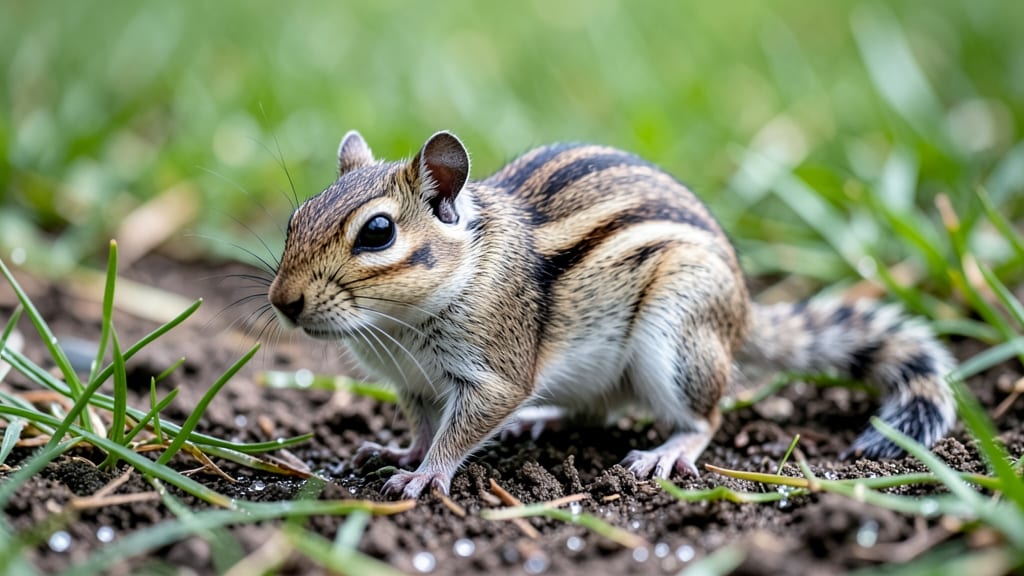
Get rid of chipmunks in your lawn before they turn your garden into their personal salad bar—because those tiny diggers can ruin months of planting in a single afternoon. 🌱 I’ve spent years testing humane methods after losing entire rows of bulbs and seedlings to these persistent tunnelers—here’s what actually works without harming them (or your conscience). The key isn’t just trapping; it’s making your yard less appealing while giving them a better alternative nearby.
Most solutions fail because they’re either cruel or ineffective. My top three lawn-friendly methods—habitat tweaks, exclusion barriers, and food diversion—keep chipmunks out long-term without poison or traps.
For example, sealing entry points with hardware cloth (¼-inch mesh) under decks and sheds blocks burrows, while mulching strategically removes their nesting material. The results? No more vanished tulips and a yard that’s finally chipmunk-free.
You’ll see a difference within 2-3 weeks if you combine these approaches. The secret is consistency: chipmunks are smart and persistent, so you need to outsmart them with multiple layers of deterrence. Plus, these methods protect your soil health—no chemicals, no collateral damage to beneficial insects or pets.
Works for any lawn size, from suburban backyards to small urban plots. The best part? Once they leave, they usually stay gone for good. Let’s reclaim your yard the right way—without cruelty or guesswork.
Why Chipmunks Invade Your Lawn
Chipmunks may look like harmless, scurrying backyard critters, but when they start digging up your lawn, they’re not just guests—they’re uninvited gardeners with a serious case of nesting and snacking habits. Understanding why they’re drawn to your yard is the first step in outsmarting them.
Here’s a breakdown of the real reasons these striped rodents are turning your grass into their personal buffet and burrow site.
Chipmunks are omnivorous opportunists, and your lawn—especially if it’s well-tended—is a goldmine of their favorite foods. These tiny foragers are always on the hunt for:
- Seeds and Nuts: Birdseed scattered on feeders, fallen acorns, or even seeds from your flower beds are like all-you-can-eat buffets for them. A single chipmunk can cache (hide) up to 20,000 seeds per year—that’s why your newly planted grass or veggies might vanish overnight!
- Insects and Larvae: Chipmunks love digging for grubs, worms, and beetle larvae in moist, aerated soil. If your lawn has thatch buildup or compacted soil, it creates the perfect hiding spots for their prey—and thus, the perfect digging ground for them.
- Fruits and Vegetables: If you’ve got a garden, chipmunks will happily munch on tomatoes, berries, and even young seedlings. They’re especially fond of sweet corn, peas, and squash, making them a nuisance for home gardeners.
Actionable Insight: If your lawn has thick mulch, unharvested fruit, or exposed birdseed, it’s basically a chipmunk magnet. Secure food sources and remove fallen nuts/seeds promptly to reduce their incentive to stick around.
Chipmunks are solitary but territorial, and they need a safe, cozy spot to raise their young. Your lawn might be the perfect real estate for these reasons:
- Soft, Loose Soil: Chipmunks prefer digging in soil that’s easy to excavate, like sandy or loamy dirt. If your lawn has recently tilled areas, new sod, or soft patches, they’ll see it as an open invitation to build their 1-2 foot deep burrows.
- Undisturbed Areas: They avoid high-traffic zones (like where you walk or mow) but love overgrown grass, leaf litter, or dense shrubbery for cover. A patch of unmowed grass or a pile of debris is like a five-star hotel for chipmunks.
- Proximity to Shelter: If your yard has woodpiles, rock borders, or dense ground cover, chipmunks will use these as natural barriers while they forage. They’re also drawn to tree roots or foundation cracks in homes.
Actionable Insight: Mow regularly, remove leaf litter, and secure firewood piles away from your lawn’s edge. If you spot fresh mounds of dirt (their burrow entrances), they’ve already claimed your yard as their territory.
Chipmunks thrive in wooded edges, meadows, and disturbed soil—environments that closely resemble what they’d find in the wild. If your lawn has these traits, it’s basically a chipmunk paradise:
- Mixed Vegetation: Lawns with clover, dandelions, or wild grasses provide both food and nesting material. These plants are nutrient-rich and easy for chipmunks to dig up.
- Moisture-Retentive Soil: Chipmunks need well-drained but damp soil to dig efficiently. If your lawn has irregular watering or low spots, it creates the ideal moisture levels for burrowing.
- Lack of Predators: If your yard is cat-free, dog-free, or lacks natural predators like owls or foxes, chipmunks feel safe to stay. They’re more likely to linger where they don’t sense danger.
Actionable Insight: Reduce wild plant growth by overseeding with grass, improve drainage in soggy areas, and consider predator-friendly plants (like catnip or lavender) to deter them naturally.
Now that you know why chipmunks are crashing your lawn party, the next step is how to evict them without harm. Stay tuned for humane, lawn-friendly solutions that actually work!
Humane Ways to Outsmart Lawn Invaders
Chipmunks may seem like harmless little critters, but when they take over your lawn, digging tunnels and nibbling on plants, they can quickly become a nuisance. The good news? You don’t need to resort to harsh chemicals or traps that harm these tiny creatures.
Instead, try these effective, humane solutions tailored to the root causes of your chipmunk problem—plus tips to keep them away for good.
Chipmunks love to burrow, and their tunnels can turn your yard into a maze of destruction. To discourage this behavior:
- 🍳 Block Entry Points Fill in existing tunnels with damp sand or gravel—chipmunks dislike digging through dense materials. For deeper holes, mix in hardware cloth (¼-inch mesh) to create a barrier they can’t chew through.
- 👨🍳 Install Physical Barriers Bury wire mesh or hardware cloth at least 12 inches deep around garden beds and lawn edges. Extend it 6 inches above ground to prevent them from jumping over.
- 🌱 Plant Deterrents Chipmunks avoid strong-smelling plants like daffodils, marigolds, or alliums. Plant these near problem areas to naturally repel them.
Chipmunks are omnivores and will munch on bulbs, seeds, and young shoots. To protect your garden:
- 🔪 Use Repellents (Non-Toxic) Spray peppermint oil, cayenne pepper, or garlic-based repellents around plants. Reapply after rain. Pro tip: 💡 Mix 1 tbsp cayenne pepper + 1 quart water + a drop of dish soap for a potent (but safe) spray.
- ⏰ Set Humane Traps Live traps (like the Havahart model) work best. Bait with sunflower seeds, nuts, or fruit, then release them at least 5 miles away in a wooded area. ✨ Never use poison—it’s cruel and can harm pets or wildlife.
- 📊 Secure Food Sources Store birdseed, pet food, and compost in metal or heavy-duty plastic containers with tight lids. Chipmunks are opportunistic feeders!
Chipmunks build nests under decks, sheds, or dense shrubs. To evict them safely:
- 🎯 Seal Gaps & Cracks Inspect woodpiles, sheds, and foundation cracks for entry points. Seal with steel wool + caulk—chipmunks can’t chew through it.
- 🔥 Remove Attractants Clear leaf litter, brush piles, and dense mulch where they hide. Keep grass mowed short to reduce nesting spots.
- 🌿 Relocate with Care If you find an active nest, wait until dusk or dawn when chipmunks are active. Gently coax them into a live trap and relocate them far from home.
Once you’ve addressed the problem, prevent future visits with these long-term strategies:
- 🌱 Maintain a Tidy Yard – Regularly remove debris, fallen fruit, and unsecured trash.
- 🌿 Avoid Over-Fertilizing – Excessive seeds and insects attract chipmunks.
- 🐦 Feed Birds Wisely – Use squirrel-proof feeders or place them far from your lawn.
- 🌙 Use Motion-Activated Sprinklers – A sudden spray of water (like the ScareCrow model) startles them without harm.
By combining physical barriers, repellents, and humane traps, you can reclaim your lawn without harming these energetic little visitors. Stay consistent, and soon your yard will be chipmunk-free—and your plants will thank you!
Frequently asked questions
Will peppermint oil really keep chipmunks away?
Yes! Chipmunks hate the strong scent of peppermint oil. Mix 10-15 drops with 1 cup water and a teaspoon of dish soap, then spray around garden edges, burrow entrances, and plant beds. Reapply every 7-10 days or after rain for best results. The scent disrupts their foraging routes naturally.
How deep should I bury hardware cloth to block chipmunks?
Bury hardware cloth (¼-inch mesh) at least 12 inches deep around garden beds and 6 inches above ground to prevent digging and jumping. For existing tunnels, fill them with damp sand mixed with hardware cloth strips to create an impenetrable barrier. Chipmunks can’t dig through it!
Are motion-activated sprinklers safe for chipmunks?
Motion-activated sprinklers (like ScareCrow) work by startling chipmunks with a sudden water spray—no harm done. Place them near problem areas where chipmunks dig or nest. The surprise water burst teaches them to avoid your yard without injury.
What’s the best time of day to set humane traps?
Set traps at dawn or dusk when chipmunks are most active. Check them every 2-3 hours to avoid stressing them. Use sunflower seeds or nuts as bait, and release trapped chipmunks at least 5 miles away in a wooded area. Never leave traps unattended overnight.
Will relocating chipmunks work long-term?
Relocation helps in the short term, but chipmunks are territorial and may return if your yard still offers food/shelter. Combine relocation with habitat changes (sealing entry points, removing attractants) for lasting results. For permanent solutions, focus on making your lawn less appealing by eliminating their food sources and nesting spots.