
Lawn
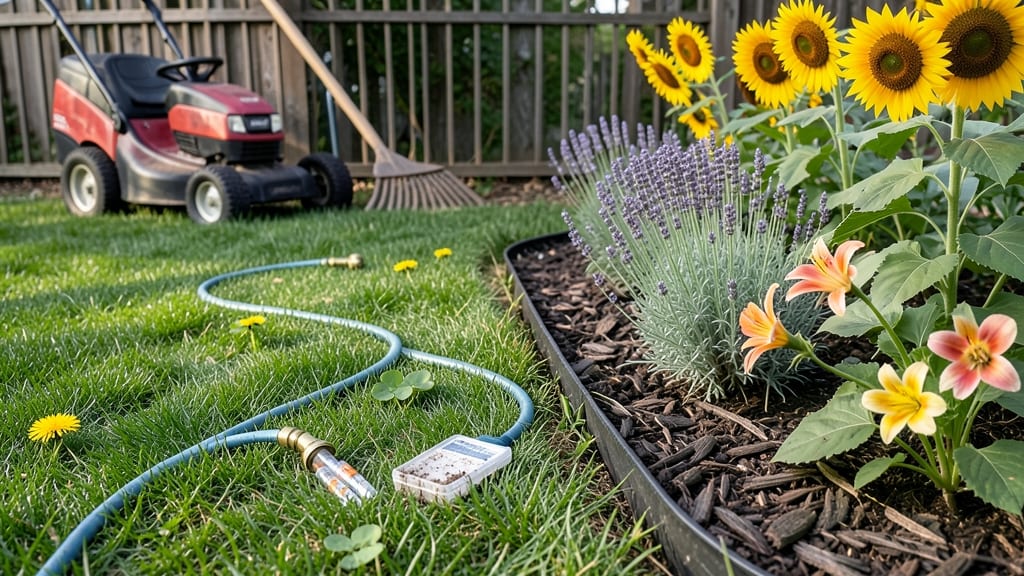
Year-round lushness starts with knowing exactly what your garden and lawn need—and when. 🌱 I’ve spent years perfecting a care routine that keeps grass vibrant, flowers blooming, and weeds at bay without the constant guesswork.
The secret isn’t fancy tools or expensive products; it’s understanding the simple rhythms of your outdoor space.
You’ll learn how to prep soil for strong roots, fertilize at the right times, and water efficiently—no over- or under-doing it. I’ll show you the 3 essential tools that cut maintenance time in half and the one mistake that kills lawns faster than drought.
Sustainable practices like mulching and natural weed control will save you money and protect your plants long-term.
By the end, you’ll have a care schedule tailored to your climate and plants, so every season feels like a fresh start. No more patchy grass, wilting flowers, or mystery weeds—just a thriving outdoor space that requires less effort and more results.
Let’s make your garden the envy of the neighborhood without the headache.
Whether you’re just starting or looking to refine your routine, this guide breaks down the process into clear, actionable steps. We’ll tackle seasonal shifts, troubleshoot common issues, and keep your outdoor space looking its best—no green thumb required.
📚 In This Guide
- What you need
- Instructions
- Tips and common mistakes
- Wrapping up and next steps
What you need
- ● Lawn Mower: Electric or gas-powered (adjustable height settings, 20–25" cutting width for efficiency).
- ● String Trimmer/Weed Whacker: 16"–20" cutting width, 2-cycle gas or battery-powered.
- ● Rake: Leaf rake (for debris) + metal bow rake (for thatch).
- ● Garden Gloves: Heavy-duty, waterproof (e.g., Fellowes or Radiant brands).
- ● Pruners: Bypass pruners (for clean cuts) + loppers (for thicker branches).
- ● Shovel & Spade: Round-point shovel (digging) + border spade (edging).
- ● Hose & Nozzle: 50-foot braided hose + adjustable nozzle (e.g., Rain Bird or Orbit).
- ● Soil Test Kit: DIY kit (e.g., Luster Leaf) or lab service for pH/fertility analysis.
- ● Fertilizer: Slow-release granular (e.g., Scotts Turf Builder) or organic options (e.g., Espoma).
- ● Mulch: 2–3 cubic yards of shredded bark or compost (for beds).
- ● Lawn Aerator: Manual or rental core aerator (for compacted soil).
- ● Broadcast Spreader: For even fertilizer distribution (e.g., Scotts or Brillion).
- ● Soil Moisture Meter: Prevents over/under-watering (e.g., AcuRite).
- ● Knee Pads: For comfort during long sessions.
- ● Wheelbarrow: 3-cubic-foot capacity (for hauling materials).
- ● Solar-Powered Lights: For garden ambiance (e.g., Govee).
- ● Weather Check: Plan tasks for early morning or late afternoon (avoid midday heat).
- ● Water Access: Ensure a nearby spigot or portable water source.
- ● Safety Gear: Sunglasses, sunscreen, and closed-toe shoes.
- ● Local Regulations: Check HOA rules or pesticide restrictions if applicable.
Instructions: seasonal garden and lawn maintenance for consistent beauty
Here’s how to keep your garden and lawn thriving through every season with minimal effort.
🌱 Step 1: Spring - Aerate, Feed, and Refresh
Start by aerating your lawn in early spring when the soil is moist but not soggy. Use a core aerator to pull small soil plugs—this relieves compaction and lets roots breathe. I like to do this after a light rain when the ground is soft enough to work without tearing grass blades. Follow up by spreading a slow-release, nitrogen-rich fertilizer (like 20-0-5) according to package rates—usually about 10 pounds per 1,000 square feet.
For garden beds, remove winter mulch and add 2-3 inches of fresh compost to the topsoil. This replenishes nutrients without overwhelming plants. Water deeply after amending to help nutrients settle into the soil. Watch for signs of over-fertilization like yellowing leaves or crispy grass edges—this means you’ve applied too much.
☀️ Step 2: Summer - Water Wisely and Prune Strategically
Adjust your watering schedule to early morning only—this prevents fungal diseases that thrive in damp evening foliage. Most lawns need 1-1.5 inches of water per week, including rainfall. I set a rain gauge to track accumulation and supplement only when needed. For gardens, water at the base of plants rather than overhead to reduce evaporation and soil erosion.
Prune spring-blooming shrubs like lilacs and hydrangeas right after flowering to maintain shape. For perennials, deadhead spent blooms to encourage a second flush of flowers. Avoid heavy pruning in late summer—this stresses plants before winter. If you notice brown patches in your lawn, test the soil pH; a reading below 6.0 often means lime is needed to restore balance.
✂️ Step 3: Fall - Clean Up and Prepare for Dormancy
Rake up fallen leaves promptly—they smother grass and invite pests. For garden beds, mulch perennials with 2-4 inches of shredded leaves or straw to insulate roots from freezing temperatures. This also suppresses weeds naturally. In lawns, apply a winterizer fertilizer (high in potassium) in late fall to strengthen root systems before dormancy.
Divide overcrowded perennials like daylilies and hostas in fall—they’re easier to transplant when dormant. Mark their locations with stakes so you don’t accidentally dig them up next spring. For lawns, sharpen your mower blade before the final mow of the season; a dull blade tears grass instead of cutting cleanly, leaving it vulnerable to disease.
⏰ Step 4: Winter - Protect and Plan Ahead
Apply a thick layer of mulch (4-6 inches) around trees and shrubs to shield roots from freezing temperatures. I use pine straw or shredded bark—both insulate well and break down slowly. Avoid piling mulch against tree trunks, as this can trap moisture and cause rot. For lawns, leave grass slightly taller (3 inches) over winter to protect the crown from cold snaps.
Use this downtime to sketch next year’s garden layout. Note which plants thrived and which struggled—this helps you adjust sunlight, soil, or spacing. Order seeds and bulbs early for the best selection. If you have tender perennials like cannas, dig them up and store tubers in a cool, dry place until spring. A simple cardboard box with peat moss works perfectly.
Tips & tricks for perfect seasonal garden and lawn care
Real talk: The difference between a thriving yard and one that constantly needs fixing comes down to these small but critical details. Here’s what nobody tells you about keeping your garden and lawn looking effortlessly lush.
Soil Prep Secret: When aerating in Step 1, focus on the areas with the most foot traffic or compaction—these are the spots where roots struggle most. I’ve found that renting a core aerator for just a few hours is more cost-effective than buying one, and it makes all the difference in how well your lawn recovers. The key is to work when soil is moist but not soggy, which usually means right after a light rain when the ground feels like a well-wrung sponge.
Fertilizer Timing: The 10 pounds per 1,000 square feet rate for slow-release nitrogen-rich fertilizer in Step 1 is perfect, but timing matters just as much. Apply it when your lawn is actively growing but before extreme heat sets in. Early spring is ideal, but if you missed that window, late summer can work too—just avoid fertilizing in fall if you’re using a winterizer later. And here’s a pro move: Water the lawn lightly before and after applying fertilizer to help it settle into the soil without burning the grass.
Watering Wisdom: That 1-1.5 inches per week guideline in Step 2 is spot-on, but how you deliver it makes all the difference. I’ve seen so many people overwater by giving tiny amounts daily—this leads to shallow roots. Instead, water deeply 2-3 times per week, early in the morning, so the grass blades dry quickly and reduce fungal risks. For gardens, use soaker hoses or drip irrigation at the base of plants to minimize evaporation and keep foliage dry, which prevents disease.
Mulching Mastery: The 2-4 inches of mulch in Step 3 is perfect for insulation, but placement matters. Spread it evenly, keeping it a few inches away from tree trunks to prevent moisture buildup that can cause rot. For lawns, leave grass at 3 inches in winter—this acts like a natural blanket, protecting the crown from cold snaps. And if you’re using shredded leaves, make sure they’re disease-free to avoid introducing problems into your garden beds.
Pro Tips for Garden And Lawn Care
- Real talk: The difference between a thriving yard and one that constantly needs fixing comes down to these small but ...
- Soil Prep Secret: When aerating in Step 1, focus on the areas with the most foot traffic or compaction—these are the ...
- Fertilizer Timing: The 10 pounds per 1,000 square feet rate for slow-release nitrogen-rich fertilizer in Step 1 is pe...
Frequently asked questions
Got questions about keeping your garden and lawn thriving? You’re not alone! Here are some of the most common queries—plus straightforward answers to help you tackle them with confidence.
When is the best time to fertilize my lawn?
The ideal times are early spring (as grass wakes up) and late summer/early fall (to strengthen roots before winter). Avoid fertilizing in extreme heat or drought—it can stress your grass. For cool-season grasses (like fescue), a light application in fall is key!
How often should I water my lawn?
Aim for 1–1.5 inches per week, including rainfall. Water deeply 2–3 times per week (early morning is best) instead of daily shallow sprinkles. Adjust for drought or clay soil—overwatering wastes resources and invites pests. Pro Tip: Use a rain gauge or tuna can to measure!
What’s the easiest way to kill weeds without harsh chemicals?
Try a vinegar + dish soap + water spray (1 gallon vinegar, 1 tbsp soap) for spot treatment—it’s natural but works best on young weeds. For stubborn patches, smother them with cardboard or mulch. Pull weeds by hand after rain when soil is soft, or use a weed torch (safely!) for driveways.
How long does it take for grass seed to grow?
Most grass seeds sprout in 7–21 days, depending on type and conditions. Ryegrass germinates fastest (5–7 days), while Bermuda or St. Augustine can take 2–4 weeks. Keep soil moist, protect seeds from birds, and avoid heavy foot traffic until blades are 3–4 inches tall.
Can I still mow my lawn in fall?
Yes! Mow until grass stops growing (usually late fall, before frost). Leave blades 2–3 inches tall to protect roots from winter cold. Skip bagging clippings—they act as natural mulch. Pro Tip: Sharpen mower blades first for cleaner cuts!
What’s the quickest fix for brown patches in my lawn?
First, check for fungus, grubs, or compaction. If it’s fungus, apply a fungicide or baking soda mix (1 tbsp per gallon of water). For grubs, use beneficial nematodes. Aerate compacted soil, then overseed and fertilize. Brown patches from drought? Water deeply and reduce foot traffic until recovery.
Wrapping up and next steps
Transforming your garden and lawn into a year-round oasis is totally within reach—it just takes a little planning, the right tools, and a willingness to roll up your sleeves! 🌱 By understanding your climate, choosing the best plants, and mastering simple maintenance, you’ll enjoy a vibrant outdoor space that feels like a well-kept secret.
Start small, stay consistent, and soon your green thumb will be the talk of the neighborhood.
Ready to dive in? Pick one task from this guide—whether it’s testing your soil, selecting seasonal plants, or scheduling your first mow—and take action today! Every expert was once a beginner, and your lush lawn is just one step away. 🌟