
Lawn
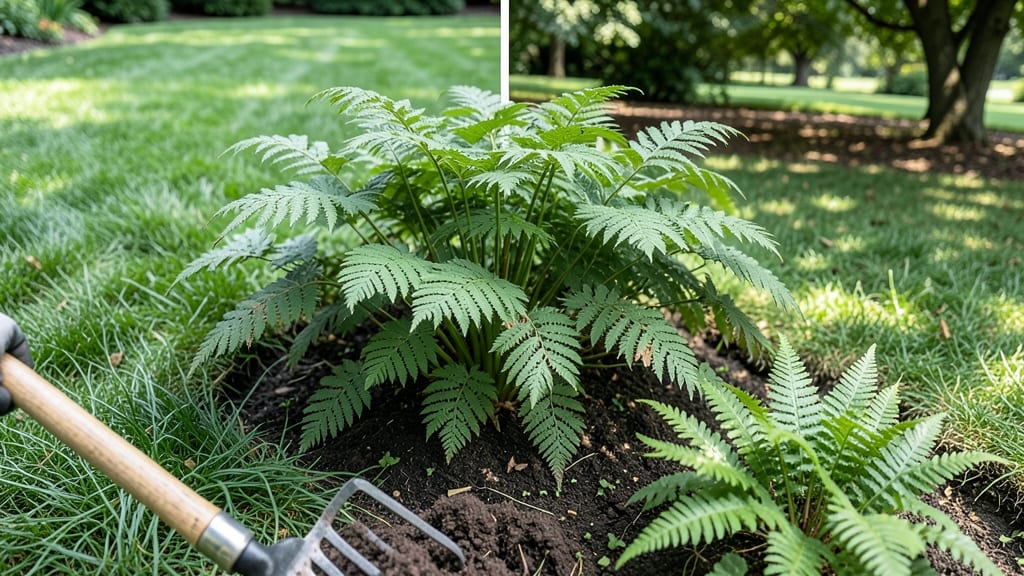
That lacy green fern weed in the lawn isn’t just an eyesore—it’s stealing nutrients and space from your grass. 🌿 I’ve battled Dryopteris ferns for years, and this vinegar-salt blend doesn’t just kill the fronds—it eradicates the roots for good. No more digging or chemical residue left behind.
The trick is timing: spray the blend on a cloudy day when temps are between 65-85°F, and reapply every 7-10 days until the ferns turn crispy brown.
Most people give up too soon—patience here means permanent removal. For stubborn patches, a follow-up of corn gluten meal in early spring prevents regrowth.
What you’ll end up with is a lawn that stays dense and weed-free, not just temporarily masked. The vinegar-salt combo works because it disrupts the fern’s root system without harming your grass—just don’t use it near desirable plants.
Think of it as a targeted strike against these invasive ground covers.
This method works for both shady and sunny lawns, though ferns love moisture, so keep an eye on damp areas. Once you’ve cleared them, overseeding with a fine fescue blend fills the gaps and crowds out future invaders.
No more hiding those unsightly fronds under mulch—just a clean, thriving lawn.
Root Causes Of Unwanted Fern Growth
Fern weed—often mistaken for ornamental ferns—can turn your pristine lawn into a lush, green jungle you didn’t ask for. But why does it thrive where grass struggles? The answer lies in a mix of environmental factors, soil conditions, and even human habits.
Understanding these triggers is the first step to reclaiming your lawn. Let’s break down the science behind why fern weed invades lawns with actionable insights.
Fern weed loves water—too much of it. Unlike grass, which prefers well-drained soil, ferns thrive in soggy, compacted, or poorly aerated conditions. Here’s why:
- Waterlogged soil: Ferns are adapted to wet environments, often found in marshes or shaded, damp areas. If your lawn has clay-heavy soil or sits in a low-lying spot where water pools, ferns will take over.
- Lack of aeration: Compacted soil prevents oxygen from reaching grass roots, weakening them while giving ferns an advantage. Their shallow, fibrous roots can spread quickly in these conditions.
- Overwatering: While grass needs consistent moisture, ferns capitalize on excess water. If you’re watering daily or have an irrigation system that oversaturates the lawn, you’re creating the perfect fern paradise.
Actionable fix: Test your soil’s drainage by digging a 6-inch hole and filling it with water. If it drains slower than 6 hours, amend with sand or organic matter (like compost) to improve aeration. Reduce watering frequency and ensure proper lawn grading to prevent pooling.
Fern weed is a master of shade. Unlike sun-loving grasses, ferns can photosynthesize efficiently in low-light conditions, making them a dominant force in:
- Dappled or dense shade: Trees, fences, or buildings create shaded patches where grass struggles but ferns flourish. Their delicate fronds can outcompete thin grass blades for sunlight.
- North-facing lawns: These areas receive the least sunlight year-round, giving ferns a competitive edge. Even partial shade (4–6 hours of sun) can encourage fern growth.
- Thick mulch layers: If you’ve mulched heavily around garden beds, ferns may creep into the lawn edges, taking advantage of the moisture and shade.
Actionable fix: Thin out overgrown shrubs or trees to increase sunlight exposure. For stubborn shade spots, consider shade-tolerant grass varieties like fine fescue or creeping red fescue. If ferns persist, focus on targeted removal (like the vinegar-salt blend mentioned in the article title) before they spread.
Grass and ferns have different pH preferences, and ferns often win when the soil tilts toward their favor. Here’s how pH and nutrients play a role:
| Factor | How It Helps Ferns | How It Hurts Grass |
|---|---|---|
| High soil pH (alkaline, >7.0) | Ferns tolerate alkaline conditions better than most grasses, especially in clay soils. | Grass struggles to absorb essential nutrients like iron and manganese, turning yellow or stunted. |
| Low nitrogen (N) levels | Ferns don’t require high nitrogen to thrive; they’re efficient at recycling nutrients. | Grass relies on nitrogen for rapid growth. Low levels lead to weak, patchy lawns. |
| Excess phosphorus (P) | Ferns can adapt to soils with high phosphorus, which grass may not utilize efficiently. | Too much phosphorus can bind with iron, causing grass to develop brown or purple discoloration. |
Actionable fix: Test your soil’s pH and nutrient levels with a home kit or lab analysis. Aim for a pH of 6.0–7.0 for most grasses. If alkaline, amend with sulfur or peat moss. For nitrogen-deficient soil, apply a slow-release fertilizer in early spring. Avoid over-fertilizing with phosphorus-heavy products.
Fern weed often invades after lawns have been stressed or disturbed. Here’s how:
- Thin or patchy grass: Bare spots or weak grass allow fern spores (yes, ferns spread via spores!) to germinate and take root without competition.
- Recent construction or soil disruption: Digging, aerating, or even heavy foot traffic can expose fresh soil, giving fern spores a foothold.
- Lack of regular mowing: Tall grass or unkempt lawns create an ideal microclimate for ferns, as they thrive in less-compacted, airy conditions.
Actionable fix: Overseed bare patches with a high-quality grass seed blend suited to your climate. Maintain a consistent mowing height (2–3 inches for most grasses) to crowd out ferns. If you’ve recently disturbed the soil, apply a pre-emergent herbicide (like corn gluten meal) to prevent spore germination.
Unlike grass, which spreads via stolons or rhizomes, fern weed relies on microscopic spores carried by wind, water, or even animals. Here’s how it happens:
- Wind dispersal: Fern spores are lightweight and can travel miles, landing in your lawn from neighboring properties, forests, or even garden centers selling ferns.
- Water spread: Rain or irrigation can carry spores from one area to another, especially in sloped or poorly drained lawns.
- Animal or tool transfer: Birds, pets, or gardening tools (like rakes or mowers) can unintentionally transport spores to new spots.
Actionable fix: Remove ferns before they release spores (typically in late summer or fall). Bag and dispose of clippings or debris to prevent spore spread. Consider a barrier of mulch or gravel around garden edges to block spores from creeping into the lawn.
💡 Pro Tip: If ferns keep returning, they may have established deep roots or spores in the soil. For stubborn cases, combine the vinegar-salt blend (mentioned in the article title) with a follow-up of corn gluten meal in early spring to starve out emerging spores.
How to Fix It Naturally
Fern weed can turn your lush lawn into a tangled mess, but with the right approach, you can reclaim your grass without harsh chemicals. Below are targeted solutions based on the root causes—whether it’s shade, soil conditions, or overgrowth—and how to tackle them step by step.
Plus, we’ll share prevention tips to keep your lawn fern-free long-term.
If fern weed has already taken over, physical removal is your first line of defense. The key? Pull early, pull often before it establishes deep roots.
🔥 Step 1: Identify & Trim the Problem
- Cut back vines at the base with sharp pruners or a string trimmer (set to a low height to avoid damaging grass).
- Remove entire plants (roots and all) if possible—fern weed spreads via rhizomes, so even small fragments can regrow.
- Bag or compost the clippings immediately (never leave them on the lawn).
🍳 Step 2: Apply a Vinegar-Salt Blend (Root Killer)
For stubborn patches, a homemade herbicide works wonders: 1. Mix 1 gallon of white vinegar (5% acetic acid) + 1 cup of salt + 1 tbsp dish soap (as a surfactant).
- Spray directly on fern weed leaves (avoid grass—this will kill it too!).
- Reapply every 3–5 days until the plant wilts and dies (usually 1–2 weeks).
- Rake out dead debris once it turns brown.
✨ Pro Tip: Test a small area first—vinegar can bleach grass if overused. Water the lawn 24 hours before and after to dilute any accidental spray.
Fern weed thrives in shady, moist areas where grass struggles. Fix the environment to discourage regrowth.
🌡️ Step 1: Improve Airflow & Sunlight
- Thin out dense tree branches (if safe) to let more light reach the lawn.
- Aerate compacted soil (rent a core aerator or use a garden fork) to help grass roots breathe.
- Overseed with shade-tolerant grass (like fine fescue or creeping red fescue) to outcompete weeds.
🎯 Step 2: Adjust Soil Moisture & pH
Fern weed loves wet soil—drainage fixes can make a huge difference: - Test your soil’s pH (ideal for lawns: 6.0–7.0).
If too acidic, apply lime. - Improve drainage by: - Adding sand or compost to heavy clay soil. - Installing French drains in low-lying areas. - Water deeply but less frequently (early morning is best) to encourage grass roots over weed growth.
💡 Pro Tip: A thick layer of mulch (2–3 inches) around garden beds can block fern weed from spreading into lawn areas.
If your lawn has excess nitrogen or organic matter, fern weed will flourish. Adjust fertilization to weaken it.
🔪 Step 1: Stop Feeding the Problem
- Avoid high-nitrogen fertilizers (like lawn-specific blends) if fern weed is rampant—weeds thrive on fast growth.
- Switch to a slow-release, low-nitrogen fertilizer (like a 5-10-10 blend) to favor grass over weeds.
⏰ Step 2: Solarize or Smother (For Severe Cases)
For large infestations, try:
- Solarization: Lay clear plastic sheeting over the area for 4–6 weeks in hot sun to bake out weeds and seeds.
- Cardboard Smothering: Cover the area with wet cardboard + mulch for 3–4 months to block light and kill roots.
✨ Pro Tip: After solarization/smothering, reseeding with grass will help reclaim the space faster.
Once you’ve banished fern weed, keep it from coming back with these habits:
- Mow high (3–4 inches) to shade out weed seeds.
- Pull new sprouts immediately—don’t let them mature!
- Use pre-emergent herbicide (like corn gluten meal) in early spring to block weed seeds.
- Encourage beneficial microbes by top-dressing with compost to strengthen grass.
- Plant ground covers (like clover or moss) in shady spots to outcompete weeds naturally.
By tackling fern weed with the right mix of removal, environment adjustments, and prevention, your lawn can go from overrun to lush in no time. Start with the method that fits your situation, and stay consistent—weeds don’t stand a chance against a healthy, well-maintained lawn! 🌱✨
Frequently asked questions about fern weed in lawns
Is fern weed actually harmful to my lawn?
Fern weed isn't toxic, but it competes aggressively with grass for space, water, and nutrients. Its shallow roots can smother grass growth, leaving thin or patchy areas. The real issue is its persistence—fern spores spread easily, making it hard to eradicate once established.
Can I just mow over fern weed instead of removing it?
Mowing alone won't eliminate fern weed—it'll just chop the fronds into smaller pieces that can spread spores. For best results, combine mowing with targeted removal methods like the vinegar-salt blend. Focus on cutting the plants back before they release spores in late summer.
How do I know if my fern weed has deep roots?
Dig up a small section of the plant—if you find thick, creeping rhizomes (horizontal roots) deeper than 3 inches, you're dealing with established roots. Surface roots appear as thin, fibrous strands. Stubborn cases may require multiple applications of the vinegar-salt solution or solarization.
Will vinegar damage my grass if I accidentally spray it?
Yes, vinegar can bleach grass if applied directly. Always spray on cloudy days and water the lawn 24 hours before/after treatment. Test a small hidden area first. For extra protection, use a shield made of cardboard around grassy edges while treating fern patches.
How long until I see results from the vinegar-salt treatment?
You should see wilting within 3-5 days of first application, with complete browning in 1-2 weeks for healthy plants. Stubborn patches may take 3-4 weeks of consistent treatment. Reapply every 7-10 days until all signs of green disappear.