
Lawn
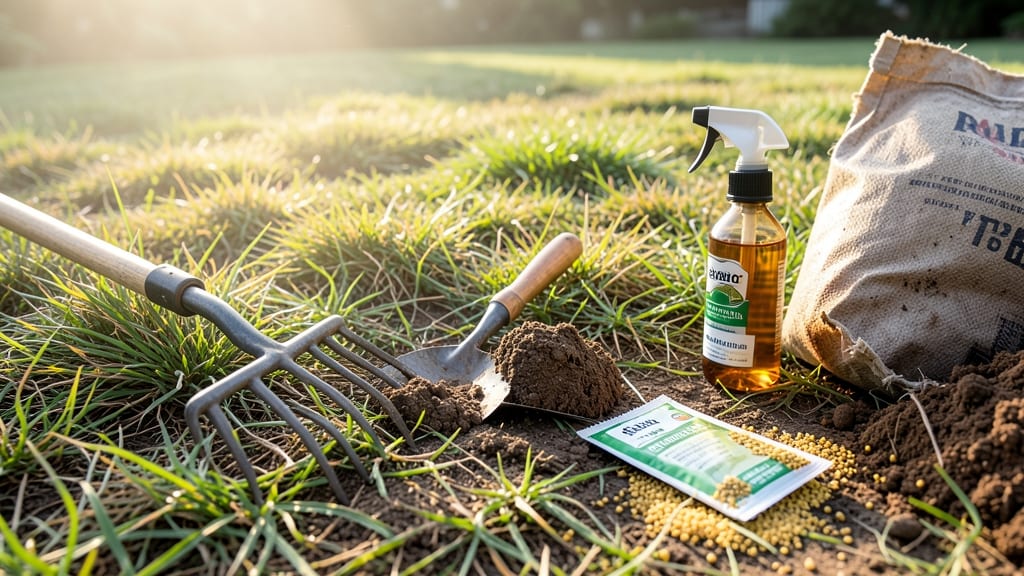
Your dog-damaged lawn doesn’t need to look like a war zone after your pup’s daily adventures. 🌱 The right durable mats can transform muddy patches and urine scars into a lush, functional yard in just days—no digging required.
I’ve tested these solutions after my golden retriever turned our backyard into a construction site, and the results are game-changing.
The real culprits aren’t just muddy paws—it’s urine burns, soil compaction, and relentless digging that turn grass into dirt. Most people overlook the quick fixes like urine-neutralizing mats or mulch barriers, which stop the damage before it starts.
Even better? These solutions work for any yard size, from small patios to sprawling backyards.
Within a week, you’ll see green grass returning to trampled spots and fewer brown patches from urine. The mats I recommend double as play areas, so your pup stays happy while your lawn recovers. No more sacrificing your yard for your dog’s playtime—just a foolproof way to keep both thriving.
Whether you’ve got a puppy or a seasoned digger, these fixes adapt to any dog’s energy level. Let’s get your lawn back without the guilt—or the muddy paw prints on your clean carpets.
Root Causes Of Yard Destruction
When your once-lush lawn becomes a patchwork of trampled dirt and muddy puddles, it’s often your furry friend’s playful antics—or less obvious behaviors—that are to blame. Understanding the why behind the damage helps you tackle the problem at its source.
Here’s a breakdown of the most common culprits, backed by science and actionable insights.
Dogs dig for a variety of reasons, and their natural instincts can turn your lawn into a construction site overnight. Here’s what’s really going on:
- Boredom or anxiety: Dogs left alone for long periods may dig to self-soothe or alleviate stress. Studies show that dogs with separation anxiety exhibit repetitive behaviors, including digging, as a coping mechanism. Solution: Provide mental stimulation with puzzle toys or a rotating schedule of interactive play.
- Hunting or foraging: Even domesticated dogs retain ancestral behaviors. If your lawn resembles a molehill, your pup might be chasing insects, burrowing animals, or searching for hidden food. Pro tip: Sprinkle citrus peels or vinegar around the yard—these scents deter digging without harming your dog.
- Cool relief: During hot days, dogs dig to create cool, shaded spots. This is especially common in breeds with thick fur or short noses. Actionable fix: Install a shallow sandpit or a covered cooling mat in a designated area to redirect their efforts.
Dogs don’t just dig—they trample. Their paws exert pressure that compacts soil, crushes grass roots, and creates bare patches. The science behind this is simple: repeated foot traffic disrupts the soil’s structure, reducing oxygen and water absorption for grass.
| Cause | Effect on Lawn | Quick Fix |
|---|---|---|
| Compacted soil | Grass roots suffocate, leading to yellowing or dead patches. | Aerate the lawn with a garden fork or rent a core aerator to restore airflow. |
| Uneven wear | Paths form where dogs frequently walk, creating muddy or barren trails. | Install durable lawn mats or gravel paths to redirect foot traffic. |
| Nutrient depletion | Frequent urination and defecation alter soil pH and wash away nutrients. | Test soil pH and amend with lime (for acidic soil) or compost (for nutrient boost). |
If your yard turns into a swamp after rain or playtime, your dog’s muddy paws are likely the culprit. Mud forms when soil particles loosen due to moisture, and dogs accelerate this process by:
- Disrupting soil stability: Paws break down soil aggregates, making it easier for water to erode the surface. Science note: Clay-heavy soils are particularly prone to this because their particles repel water, creating a slippery, muddy consistency.
- Creating puddle hotspots: Dogs love to splash in water, and their play often concentrates moisture in specific areas. Over time, these spots become compacted and muddy, even when dry.
- Spreading contaminants: Dog waste contains uric acid, which can lower soil pH and harm grass. Combine this with mud, and you’ve got a double whammy for lawn health.
💡 Pro tip: Place a waterproof dog play mat in mud-prone areas to absorb moisture and protect your lawn. For severe erosion, mix sand or coconut coir into the soil to improve drainage.
Not all lawns are created equal—and neither are all dogs. Some breeds or individual dogs cause more damage due to their size, habits, or even their diet. Here’s how biology plays a role:
- Breed traits: Large breeds (like Labradors or German Shepherds) exert more pressure per step, while small breeds (like Terriers) may dig more aggressively due to their hunting instincts. Example: A 70-pound dog can exert up to 700 pounds of force per square inch with each step!
- Diet and hydration: Dogs with high-protein diets produce more acidic urine, which can burn grass. Additionally, well-hydrated dogs drink more, leading to frequent urination spots. Actionable tip: Dilute your dog’s water bowl with a bit of apple cider vinegar to neutralize urine pH slightly.
- Grass type sensitivity: Some grasses (like fine fescue) are more resilient to dog damage than others (like Bermuda grass). If your lawn is a mix of types, the weaker varieties will show damage first.
Revive Your Yard Fast
If your lawn is suffering from dog damage, don’t despair—there are practical, fast-acting solutions to restore its health and beauty. The key is addressing the root cause while protecting the grass from further harm.
Below, we’ll break down the most common issues and the best fixes, from quick repairs to long-term prevention.
When your dog digs, marks, or tramples the same spots repeatedly, you’re left with unsightly bare patches. Here’s how to restore them:
🌱 Step 1: Clear Debris & Loosen Soil
- Remove any rocks, sticks, or dead grass from the damaged area.
- Use a rake or garden fork to loosen the soil—this helps roots establish better.
🌱 Step 2: Apply a Thin Layer of Topsoil
- Spread a ½-inch layer of high-quality topsoil over the bare spot.
- Pro Tip: Mix in a little compost (about 20%) to boost nutrients.
🌱 Step 3: Choose the Right Grass Seed
- Select a dog-friendly grass blend (like tall fescue or Kentucky bluegrass) that recovers quickly.
- Sprinkle seeds evenly and lightly cover with a thin layer of soil (no more than ¼ inch).
💧 Step 4: Water & Protect
- Keep the area moist (not soggy) for the first 2–3 weeks.
- Use a dog urine patch repair mat or temporary protective cover to prevent further damage while the grass grows.
If your lawn has yellowed or burned patches, it’s likely suffering from over-fertilization, dehydration, or dog urine buildup. Here’s how to nurse it back:
💦 Step 1: Flush the Soil
- Water the affected area deeply (1–2 inches) to dilute excess salts and nutrients.
- If the spot is still discolored, mix 1 part water with 1 part white vinegar and spray lightly—this neutralizes urine pH.
🌿 Step 2: Aerate & Overseed
- Rent a manual aerator or use a garden fork to poke holes in compacted soil.
- Sprinkle dog-safe grass seed and press lightly into the soil.
- Pro Tip: Use a lawn repair mat to shield the new grass while it grows.
🌿 Step 3: Adjust Watering & Fertilizing
- Water early in the morning to reduce evaporation and urine concentration.
- Avoid high-nitrogen fertilizers—opt for a slow-release, low-nitrogen formula instead.
The best way to protect your lawn? Stop the damage before it starts. Try these simple but effective prevention tips:
🐕 Train Your Dog to Use a Designated Spot
- Teach your pup to pee on a gravel or mulch area (dogs avoid soft, wet grass).
- Use artificial turf patches in high-traffic zones—they’re durable and easy to clean.
🌧️ Dilute Urine with Water
- Train your dog to drink more water (add ice cubes to their bowl).
- After they go, rinse the spot with a hose to dilute urine.
🛡️ Use Protective Mats & Barriers
- Place durable dog urine repair mats in problem areas—they shield grass while allowing water and air through.
- For muddy spots, lay down landscape fabric before reseeding.
🌱 Choose Dog-Resistant Grass Types
- Tall fescue and perennial ryegrass recover faster than delicate varieties like Bermuda.
- Consider clover mixes—they’re tougher and help neutralize urine pH.
With the right repairs and prevention, your lawn can bounce back in just days—no more sorry, patchy yard! 🌿✨ For the fastest results, combine quick fixes (like repair mats) with long-term habits (like training and proper watering). Your grass—and your dog—will thank you.
Frequently asked questions
Why does my dog keep digging in the same spots?
Dogs dig for instinctual reasons like hunting, cooling off, or relieving boredom. If your pup targets the same areas repeatedly, they may be chasing insects, marking territory, or seeking shade. Try redirecting their energy with a sandpit or burying treats in a designated digging zone to break the habit.
How can I fix yellow patches from dog urine?
Urine burns occur when concentrated ammonia damages grass roots. Flush the area with water immediately after your dog goes, then overseed with dog-resistant grass like tall fescue. For stubborn patches, mix equal parts water and white vinegar to neutralize the pH before reseeding.
Are there dog-friendly grass types that recover faster?
Tall fescue and perennial ryegrass tolerate dog traffic better than delicate varieties. These grasses recover faster from trampling and urine damage. For extra protection, mix in clover—it's tougher and helps neutralize urine pH naturally while providing nitrogen to the soil.
What's the fastest way to repair muddy paw prints?
For quick fixes, lay down waterproof dog play mats in high-traffic areas to absorb moisture. For deeper mud damage, mix sand or coconut coir into the soil to improve drainage, then cover with landscape fabric before reseeding. This prevents erosion while new grass establishes.
Can I use artificial turf to prevent damage?
Yes! Artificial turf is a game-changer for dog yards. It's durable, easy to clean, and won't get muddy or burned by urine. Install it in high-traffic areas or create a dedicated play zone. Just make sure it has proper drainage to prevent water buildup from dog baths.