
Pests
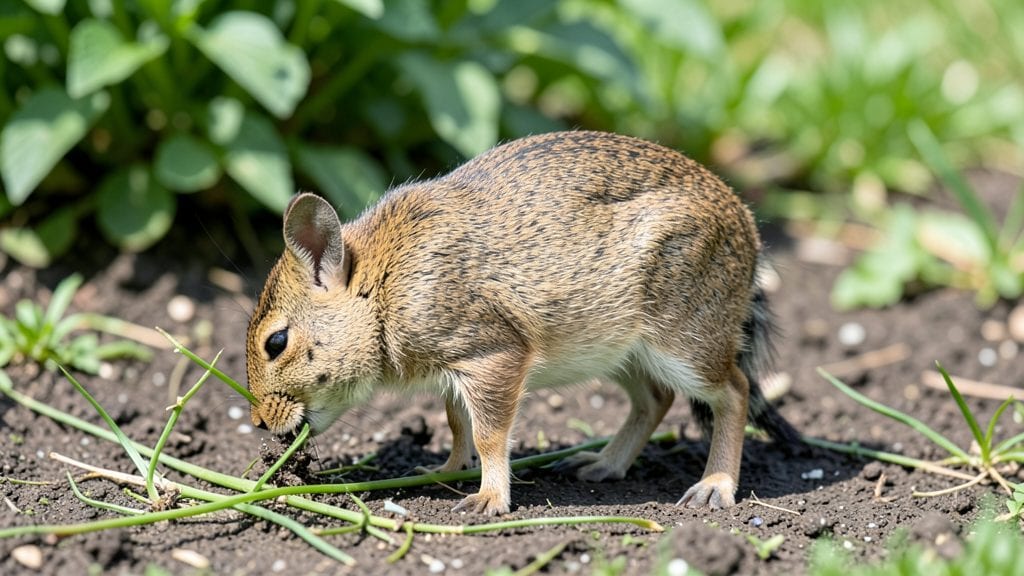
Deer do eat fescue grass, though they prefer younger, tender growth over mature, coarse blades. Tall fescue is less appealing than fine fescue varieties, but drought-resistant types may still attract them when other forage is scarce.
Deer browse fescue grass primarily when other food sources are limited, especially during late winter or early spring when fresh vegetation is scarce. 🌱 The key factor here is the grass's moisture and nutrient content—younger shoots are packed with sugars and proteins that deer crave, while older, tougher blades offer little nutritional payoff.
This preference explains why fine fescue (with its softer texture) often gets munched first, while tougher tall fescue varieties become a last-resort option.
💡 In This Article
- Why Deer Choose Fescue Grass Over Other Options
- Protecting Your Fescue Lawn from Deer Damage
Why deer choose fescue grass over other options
Deer prioritize forage based on three key factors: nutrient density, moisture content, and ease of digestion. Young fescue shoots contain up to 30% more protein than mature blades, making them a high-value food source.
The tender growth stage also has a moisture content of 80-85%, which is far more appealing than dry, fibrous older grass that requires more energy to process.
This explains why deer often target fine fescue varieties first—their softer, thinner blades (typically 0.1-0.2 mm wide) are easier to chew and digest compared to the 2-3 mm thick stalks of tall fescue.
The science behind this preference lies in deer digestion.
Their four-chambered stomachs are optimized for breaking down fibrous plant materials, but they still conserve energy by targeting foods that require minimal processing. 🌱 Fine fescue's high sugar content (up to 15% in young shoots) provides quick energy, while the softer texture reduces chewing time by 40% compared to coarse grasses.
This makes it a smart choice when deer are foraging, especially during dawn and dusk when they're most active. In contrast, clover (another deer favorite) offers even higher protein (20-25%) but lacks the same moisture content, making fescue a balanced alternative when clover isn't available.
Seasonal availability plays a crucial role in deer's fescue consumption patterns. During late winter when other vegetation is dormant, deer may browse mature fescue blades that have 50% less nutritional value than spring growth.
The key difference here is the leaf-to-stem ratio—young fescue has a 3:1 leaf-to-stem ratio, while mature grass drops to 1:2. This shift forces deer to consume larger quantities of less nutritious material, which is why you often see them targeting lawn edges where new growth emerges first.
Alfalfa, another high-protein option, contains 18-22% protein but has a more complex fiber structure that deer find harder to digest in large quantities.
What most people don't realize is how deer's sense of smell influences their fescue selection. Freshly cut or rain-dampened fescue releases volatile organic compounds that deer can detect from 100+ yards away. 🌧️ These compounds signal high moisture content and recent growth—key indicators of nutritious forage.
This explains why deer often target recently mowed lawns or areas with morning dew. The contrast between fescue's subtle grassy aroma and the more pungent scents of ornamental plants (like hostas or daylilies) makes it a safer bet when deer are browsing cautiously.
Ornamental plants often contain secondary compounds that deer avoid, while fescue's mild flavor profile makes it a reliable, low-risk food source.
Here's what this means for your landscape: deer will consistently target fescue when other options are limited, but their preference shifts dramatically with seasonal changes. In summer, they'll often pass over fescue to graze on clover or alfalfa fields, while in winter, even mature fescue becomes a valuable resource.
Understanding this pattern helps explain why some lawns show heavy browsing in early spring (when new growth appears) while others remain untouched until late fall when other forage disappears. The key takeaway is that fescue isn't deer's first choice—it's a nutritional safety net that becomes crucial during lean times.