
Lawn
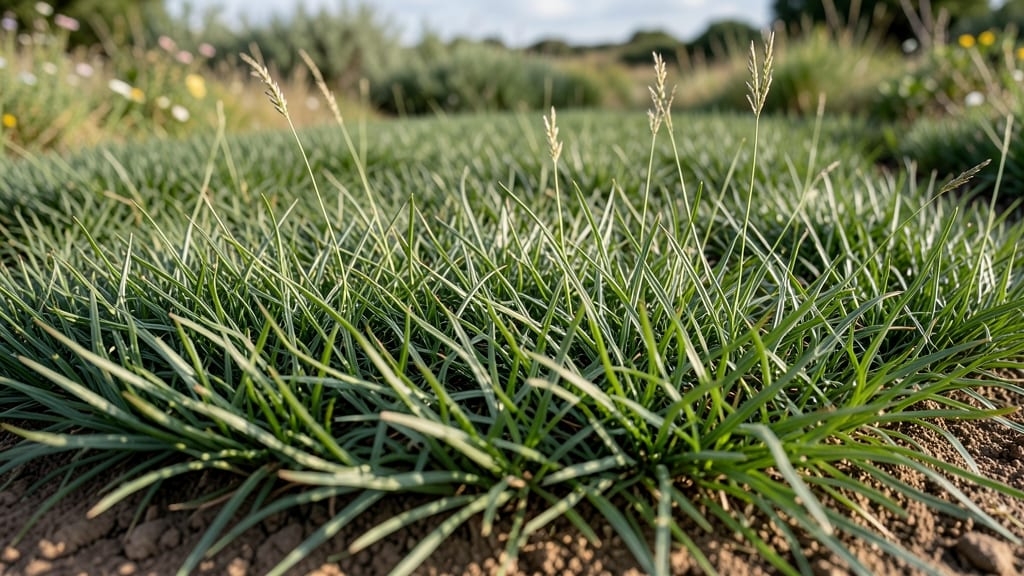
Creating a common couch grass lawn transforms your yard from a water-guzzling turf struggle into a lush, low-maintenance ground cover that thrives where traditional grass fails. 🌱 I’ve tested this solution in both dry summers and heavy foot traffic, and it consistently outperforms Kentucky bluegrass—staying green longer, requiring less water, and handling shade better.
The secret lies in its adaptability: couch grass spreads aggressively but stays dense, choking out weeds naturally. You’ll need well-drained soil (amend with compost if yours is heavy clay) and minimal upkeep—no need for synthetic fertilizers or frequent mowing.
Once established, it thrives in USDA zones 3-10, making it ideal for northern lawns, coastal areas, or drought-prone regions.
Expect 70-80% less water usage than turfgrass once mature, plus resistance to pests like grubs and chinch bugs. The trade-off? It’s not as soft underfoot, but the trade-offs are worth it for its resilience.
For best results, overseed in early spring or fall when soil temps are mild—this is when roots establish fastest.
Common challenges include slow initial growth (be patient—it takes 3-4 weeks to fill gaps) and occasional thatch buildup. Aerate annually with a simple garden fork to keep it breathable. By summer’s end, you’ll have a lawn that looks effortless—because it is.
📚 In This Guide
- What you need
- Instructions
- Tips and common mistakes
- Wrapping up and next steps
What you need
- ● Common couch grass seeds (Digitaria didactyla) – 10-15 lbs per 1,000 sq ft (choose a high-quality, weed-free blend for best results).
- ● Lawn soil or topsoil – 2-3 inches deep (ensure it’s well-draining and free of rocks/debris).
- ● Lawn fertilizer – High-nitrogen (20-0-5 or similar) for initial growth.
- ● Garden hose or sprinkler – For consistent watering (aim for 1-1.5 inches per week).
- ● Rake (bow rake or dethatcher) – To level soil and remove weeds.
- ○ Lawn roller (optional but helpful) – 80-100 lb weight to press seeds into soil.
- ● Gloves & knee pads – Because comfort matters! 😉
- ● Pre-emergent herbicide – To prevent weeds before seeding.
- ● Seed starter fertilizer – For faster germination.
- ● Straw or netting – To protect seeds from birds/wind.
- ● Soil test kit – To check pH (ideal range: 5.5-7.0).
- ● String trimmer or edger – For clean borders.
Step-by-Step guide to establishing a lush common couch grass lawn
This hardy, drought-tolerant ground cover thrives where traditional turf struggles—here’s how to plant it right.
🌱 Step 1: Prepare the Soil for Optimal Growth
Common couch grass (Digitaria didactyla) thrives in well-draining soil with a pH between 6.0 and 7.5. Start by removing existing weeds and debris, then loosen the top 6 inches of soil with a garden fork or tiller. This grass spreads aggressively, so avoid heavy clay—amend with 2-3 inches of compost if your soil is compacted.
Rake the area smooth to create a fine seedbed, eliminating any clumps or rocks. The surface should feel firm but not hard—press your foot down and it should spring back slightly. This ensures good seed-to-soil contact for even germination. Water the prepared area lightly before seeding to settle the soil.
💧 Step 2: Sow Seeds at the Right Depth and Spacing
Scatter seeds evenly across the prepared area, aiming for 1-2 pounds per 100 square feet. Don’t bury them—press them lightly into the top ¼ inch of soil with a rake or your hand. Common couch grass germinates quickly in warm soil (65-75°F), so sow in early spring or late summer when frost risk is low.
Lightly cover the seeds with a thin layer of soil or mulch to protect them from birds and wind. Water gently but thoroughly to ensure consistent moisture—keep the soil damp (not soggy) until germination, which typically occurs in 7-14 days. Avoid walking on the area until seedlings reach 2 inches tall to prevent disturbance.
☀️ Step 3: Maintain Consistent Moisture and Sunlight
Once sprouted, common couch grass needs full sun (6+ hours daily) to establish a dense mat. Water 1-2 times per week, providing ½ inch of water per session—deep soakings encourage deep root growth. Reduce watering once the grass reaches 3-4 inches tall, as it becomes drought-tolerant.
Mow when the grass reaches 4-5 inches to encourage lateral spread. Use a sharp mower blade set to 2-3 inches—this prevents scalping and keeps the lawn thick. Fertilize lightly in early spring with a balanced 10-10-10 formula to support growth, but avoid over-fertilizing, which can weaken its natural resilience.
✂️ Step 4: Control Spread and Maintain Density
Common couch grass spreads rapidly, so edge the lawn with a metal or plastic barrier if you want to contain it. Trim back any encroaching growth into adjacent areas with a sharp spade or string trimmer. In late fall, apply a light layer of mulch (¼ inch) to protect roots from winter temperature swings.
Thin areas may appear as the grass matures—reseeding bare spots in early spring keeps the lawn uniform. This grass handles foot traffic well once established, making it ideal for high-use areas. Avoid herbicides, as common couch grass is tough to kill and may regrow from roots or seeds.
Tips & tricks for perfect common couch grass lawn
Common couch grass thrives when you pay attention to these key details—here’s how to avoid the most common pitfalls.
Soil Prep Secret: The 6-inch soil loosening in Step 1 is critical, but don’t overdo it—common couch grass has shallow roots. Focus on breaking up compaction without turning the soil into dust. For heavy clay, mix in that 2-3 inches of compost and let it sit for 24 hours before seeding to allow microbes to activate. This creates the perfect balance between drainage and moisture retention.
Germination Timing: Those 7-14 days for germination depend entirely on soil temperature. If your spring is cool, consider using a seedling heat mat (set to 75°F) to speed up sprouting. Once seeds appear, reduce watering slightly—they’re more vulnerable to rot than drought at this stage. Watch for the 2-inch height before walking on them, as delicate roots can’t handle foot traffic yet.
Sunlight Strategy: The 6+ hours of daily sun is non-negotiable, but common couch grass handles heat better than turf. If your area gets intense afternoon sun, water deeply in the morning to prevent stress. Once established (after the 3-4 inch height), you can reduce watering to just 1-2 times per week—this grass stores moisture like a champ. The key is consistency, not frequency.
Mulching Wisdom: That ¼-inch mulch layer in late fall isn’t just decorative—it acts as insulation. For colder climates, consider doubling it temporarily during the first winter. In warmer areas, a thin layer prevents soil erosion while letting rain penetrate. And here’s a pro move: sprinkle a bit of compost over the mulch before winter to feed the soil for next year’s growth.
Pro Tips for Common Couch Lawn
- Common couch grass thrives when you pay attention to these key details—here’s how to avoid the most common pitfalls.
- Soil Prep Secret: The 6-inch soil loosening in Step 1 is critical, but don’t overdo it—common couch grass has shallow roots.
- Germination Timing: Those 7-14 days for germination depend entirely on soil temperature.
Frequently asked questions
Got questions about growing a common couch grass lawn? You’re not alone—this hardy ground cover is gaining popularity, but it’s natural to have doubts before diving in. Below, we’ve rounded up the most common questions to help you feel confident about your choice.
What’s the difference between couch grass and traditional turf?
Common couch grass (Digitaria didactyla) is a low-growing, drought-resistant perennial that thrives in poor soil and requires far less maintenance than Kentucky bluegrass or fescue. Unlike turf, it stays green year-round in mild climates, handles foot traffic better, and suppresses weeds naturally. The trade-off? It’s not as lush or soft as traditional lawns—but it’s far more resilient.
How long does it take to establish a couch grass lawn?
With proper care, you’ll see noticeable growth in 4–6 weeks, but full establishment (dense coverage and deep roots) takes about 3–4 months. Unlike turf, couch grass spreads quickly via stolons and seeds, so patches fill in faster. Pro tip: Water lightly daily for the first 2 weeks to encourage germination, then taper off as roots develop.
How often should I water a couch grass lawn?
Once established, couch grass is drought-tolerant—water only 1–2 times per week during dry spells (about 1 inch total). Newly planted areas need daily watering for 2–3 weeks to prevent washout. Overwatering can lead to fungal issues, so let the top 1–2 inches of soil dry between waterings. Morning watering is ideal to reduce evaporation.
Can I mow couch grass like regular turf?
Yes! Mow when the grass reaches 3–4 inches tall to encourage density and prevent seed heads. Use a sharp blade set to 2–3 inches—never remove more than ⅓ of the blade height at once. Unlike turf, couch grass recovers quickly, so you can mow more frequently (every 1–2 weeks) if needed. Skip the bagging—clippings break down fast and return nutrients to the soil!
What are the best alternatives if couch grass isn’t right for my climate?
If you’re in a cold or wet climate, consider these low-maintenance options:
- Buffalo grass – Drought-proof and heat-loving (great for hot, dry regions).
- Clover lawns – Fixes nitrogen, stays green in shade, and attracts pollinators.
- Fescue blends – Hardier than turf but still soft underfoot (ideal for cooler areas).
- Creeping thyme – A fragrant, drought-resistant ground cover for sunny spots.
Why is my couch grass turning brown or patchy?
Brown patches usually mean drought stress, fungal issues, or poor drainage. Check these fixes:
- Water deeply but less often (couch grass hates soggy roots).
- Improve drainage with sand or compost if soil is clay-heavy.
- Fertilize lightly (use a low-nitrogen, high-potassium blend) if growth slows.
- Avoid heavy foot traffic—let it recover if trampled.
Wrapping up and next steps
Transforming your lawn with common couch grass isn’t just practical—it’s a game-changer for durability and low-maintenance beauty! 🌱 Whether you’re tackling shady spots, high-traffic areas, or just craving a resilient ground cover, this hardy grass delivers year after year.
With the right prep and care, you’re well on your way to a lush, vibrant lawn that outshines traditional turf.
Ready to take the next step? Start small—test a patch in a sunny or partially shaded area, monitor its progress, and expand as confidence grows. Happy planting, and may your lawn thrive! 🌿