
Lawn
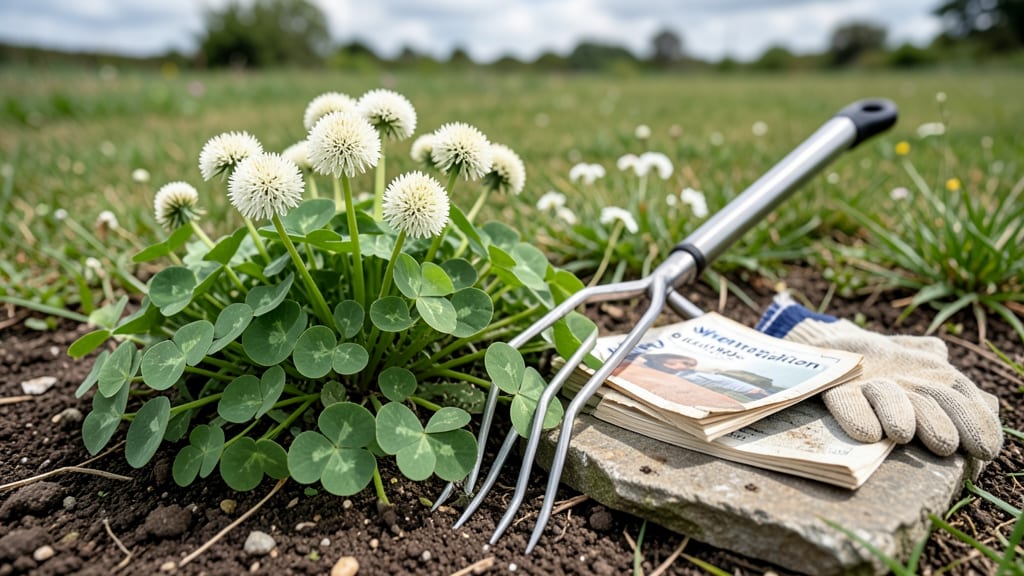
That clover-like weed creeping into your lawn isn't just an eyesore—it's a sign your grass needs a reset. 🌱 I've battled this stubborn green invader in my own yard, and the secret isn't harsh chemicals but understanding what your lawn truly needs to thrive.
The problem starts when grass struggles to compete—too much shade, poor soil, or overwatering creates the perfect clover paradise. But here's the good news: fixing it comes down to three simple steps that restore your lawn's natural balance without synthetic shortcuts.
By the end, you'll have a lush, weed-free lawn that stays green through droughts and foot traffic. The difference is immediate: no more patchy spots, no more pulling weeds by hand, just healthy grass that crowds out intruders naturally. Works for any lawn type, from sunny backyards to shady patches.
Let's get your grass growing strong again.
The Hidden Triggers Behind Lawn Invaders
That stubborn clover-like weed creeping into your lawn isn’t just bad luck—it’s a sign your turf is sending out an SOS. Understanding the root causes (literally!) helps you tackle the problem before it spreads. Let’s break down why these unwanted guests show up in the first place.
Weeds like clover thrive where grass struggles. If your soil lacks essential nutrients or has the wrong pH balance, your lawn becomes a prime real estate for opportunistic plants.
- Low nitrogen: Grass needs nitrogen to grow thick and competitive. Without it, clover—with its nitrogen-fixing roots—gains the upper hand.
- Compacted soil: Heavy foot traffic, machinery, or clay-heavy soil prevents water and air from reaching roots. Weeds pop up where grass can’t take hold.
- Imbalanced pH: Most lawn grasses prefer a pH of 6.0–7.0. If your soil is too acidic (<5.0) or alkaline (>8.0), grass weakens while clover adapts.
Actionable fix: Test your soil (DIY kits are affordable) and amend with compost or lime/sulfur as needed. Aerate annually to loosen compacted soil.
Shady spots or overcast climates can turn your lawn into a weed magnet. Clover and other broadleaf invaders love partial shade because they photosynthesize efficiently in low light—unlike many grasses.
- Tree canopies: Dappled shade from trees creates microclimates where grass thins, and clover takes over.
- New construction or fencing: Sudden shade changes disrupt grass growth, leaving gaps for weeds.
- Thatch buildup: A thick thatch layer (0.5"+) blocks sunlight from reaching soil, smothering grass roots.
Actionable fix: Choose shade-tolerant grass varieties (like fine fescue) or thin trees to improve light penetration. Rake up excessive thatch in spring.
Overwatering or irregular watering creates the perfect conditions for clover and other weeds. Unlike grass, which needs consistent moisture, many weeds thrive in damp, uneven soil.
- Overwatering: Keeps soil perpetually moist, giving weeds a hydration advantage over grass.
- Underwatering: Causes grass to go dormant, leaving bare patches where weeds sprout.
- Irregular schedules: Uneven watering stresses grass, making it vulnerable to invasion.
Actionable fix: Water deeply but infrequently (1–1.5 inches per week) and early in the morning to reduce evaporation. Use a rain gauge to monitor soil moisture.
Clover and similar weeds don’t just appear—they hitchhike into your lawn through wind, animals, or even your own tools. Their lightweight seeds travel far and germinate quickly.
- Wind dispersal: Clover seeds can float miles, landing in cracks or thin spots in your lawn.
- Animal activity: Birds, rabbits, and even pets carry seeds on their fur or drop them in manure.
- Equipment contamination: Mowers, rakes, and shoes can transport seeds from one area to another.
Actionable fix: Sanitize tools with vinegar or bleach between uses. Remove weeds before they go to seed (late spring/early summer). Install a border of gravel or mulch to block windborne seeds.
How to solve it
Got that stubborn clover-like weed creeping into your lawn? Don’t panic—it’s fixable! The key is targeting the root cause with the right approach. Below, we’ve mapped out solutions based on why your lawn is inviting these weeds in, plus prevention tips to keep them from returning.
Let’s reclaim your green space, one step at a time. 🌱✨
If your soil lacks nutrients or has a pH imbalance, weeds like clover thrive while grass struggles. Here’s how to restore balance:
- 🔄 Test Your Soil: Grab a DIY soil test kit (or send a sample to a local extension office) to check pH and nutrient levels. Ideal lawn pH is 6.0–7.0.
- 🌱 Amend the Soil:
- For acidic soil (pH < 6.0): Sprinkle lime (follow package rates) and water deeply.
- For alkaline soil (pH > 7.0): Apply sulfur or peat moss to lower pH.
- Boost nutrients with compost or a balanced fertilizer (10-10-10 ratio).
- 💡 Pro Tip: Top-dress with 1/4-inch compost in early spring or fall to improve soil structure long-term.
Weeds sneak in where grass is weak. Thick, healthy turf crowds out invaders naturally. Try these fixes:
- 🌿 Overseed Bare Spots:
- Rake out weeds and loosen soil in thin areas.
- Spread high-quality grass seed (match it to your lawn type, e.g., Kentucky bluegrass for cool climates).
- Lightly cover with straw to protect seeds and keep moisture in.
- Water gently twice daily for 10–15 minutes until seeds germinate (usually 7–21 days).
- 🔪 Dethatch if Needed: If a thick layer of thatch (>1/2 inch) smothers grass roots, rent a dethatcher or use a rake to remove it before reseeding.
- 🌡️ Time It Right: Overseed in early fall (when weeds are stressed and temps are ideal for grass growth).
Too much water = happy weeds, sad grass. Adjust your routine to starve out clover-like weeds:
- ⏰ Water Deeply, Less Often:
- Aim for 1–1.5 inches of water per week (including rain).
- Water early morning (4–8 AM) to reduce evaporation and fungal risks.
- Use a soaker hose or drip irrigation to target roots, not just the surface.
- 🔧 Fix Sprinkler Problems: Check for overspray onto sidewalks or driveways—this wastes water and encourages weeds.
- 💡 Pro Tip: Let grass go dormant in extreme drought (it’ll bounce back when rains return). Weeds can’t handle dry spells like mature grass!
Harsh herbicides or synthetic fertilizers can kill grass roots, leaving clover-like weeds to take over. Try these gentler methods:
- 🌿 Natural Herbicides:
- Vinegar + Soap: Mix 1 gallon white vinegar + 1 oz dish soap in a spray bottle. Target weeds directly (avoid grass—this kills everything!). Reapply every 3–4 days for 2 weeks.
- Corn Gluten Meal: Spread 20 lbs per 1,000 sq ft in early spring to prevent weed seeds from germinating.
- 🔄 Organic Fertilizers: Switch to compost tea, fish emulsion, or seaweed extract to feed grass without harming the soil ecosystem.
- ✨ Long-Term Fix: Build soil health—healthy grass outcompetes weeds naturally over time.
Once your lawn is weed-free, lock in those gains with these habits:
- 🌱 Mow High: Set your mower to 3–4 inches—taller grass shades out weeds and develops deeper roots.
- 🗑️ Remove Weeds Early: Pull weeds before they seed (spring and fall are critical times). Use a weed puller or dig out roots to prevent regrowth.
- 💪 Strengthen Grass:
- Apply slow-release fertilizer in early spring and fall.
- Aerate compacted soil once a year to improve water and nutrient absorption.
- 🌡️ Mulch Grass Clippings: Leave them on the lawn—they return nutrients and act as a natural weed barrier.
With patience and consistency, your lawn will crowd out those clover-like weeds and stay lush year-round. Start with one or two fixes, then build from there—your green oasis is closer than you think! 🌿🔥
Frequently asked questions
Is clover really bad for my lawn?
Clover itself isn't harmful, but it's a sign your lawn needs attention. While it adds nitrogen to soil, it competes with grass for space and resources. The real issue is why it's thriving—usually poor soil health, compacted soil, or overwatering. A balanced lawn should have 80-90% grass with clover making up only 10-20% at most.
How do I tell if my clover-like weed is actually clover?
True clover has trifoliate leaves (3 leaflets) and grows low to the ground. Other imposters include white clover (smaller, white flowers) and yellow woodsorrel (heart-shaped leaves). If your "clover" has 4+ leaflets or grows upright, it's likely a different weed like creeping charlie or plantain.
Will vinegar kill my grass when I spray weeds?
Yes, vinegar is a non-selective herbicide—it kills all plants it touches. To protect your grass, spot-treat weeds with a 1:1 vinegar-water mix + 1 tsp dish soap using a dropper or small brush. Apply only to the weed's leaves, avoiding grass blades. For large areas, consider corn gluten meal as a pre-emergent alternative.
How long does it take to see results after overseeding?
New grass seed typically germinates in 7-21 days depending on weather. You'll see noticeable improvement in 4-6 weeks as the new grass fills in bare spots. For best results, overseed in early fall when temperatures are cool and weeds are less aggressive.
Can I still use my lawn after treating weeds?
Yes, but wait 24 hours after applying natural treatments (like vinegar) and 48 hours after organic herbicides. For chemical treatments, follow label instructions—usually 3-7 days of no foot traffic. Always prioritize safety by treating in the evening when kids and pets aren't playing outside.