
Lawn
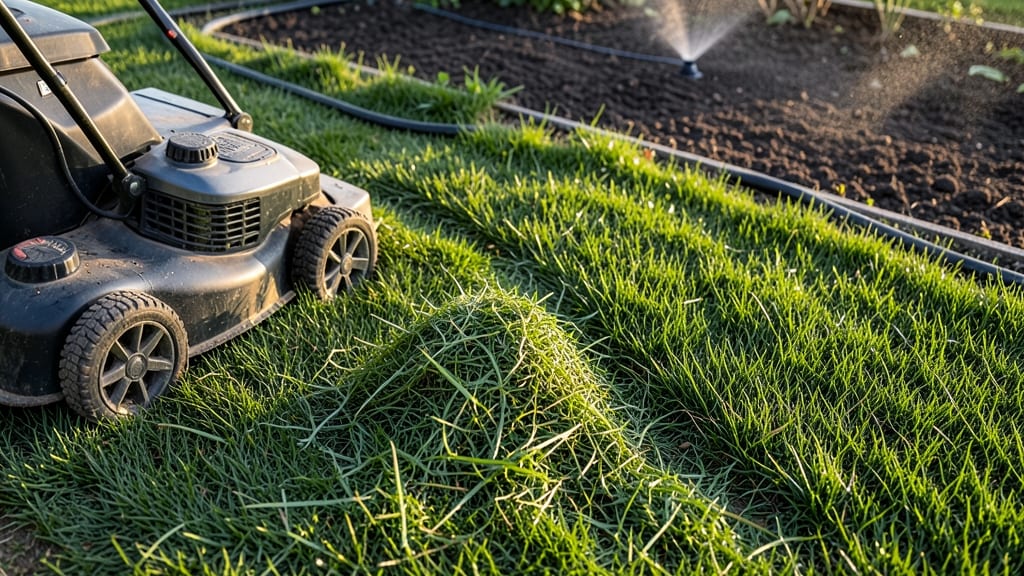
A clean cut lawn transforms an ordinary yard into a showstopper. ✂️ I spent years struggling with uneven stripes and patchy grass until I discovered the exact technique that makes my lawn look like a professional landscaper’s work—without the hours of backbreaking labor.
The secret isn’t just the mower—it’s the method: cutting at the right height, overlapping passes for clean lines, and knowing when to stop. Most people mow the same way every time, but small adjustments make all the difference.
A well-maintained lawn isn’t just green; it’s uniform, crisp, and impossible to ignore. You’ll see the difference immediately—sharp edges, even stripes, and a texture that feels like velvet underfoot. The key is consistency, but once you nail it, your neighbors will ask for your secret.
It’s not about perfection; it’s about polish. This works year-round, though spring and fall are the best times to establish that clean look. Let’s get started—your lawn’s transformation begins with the first cut.
📚 In This Guide
- What you need
- Instructions
- Tips and common mistakes
- Wrapping up and next steps
What you need
- ● Lawn Mower: Self-propelled or push mower with adjustable cutting height (1–4 inches, depending on grass type).
- ○ For striped lawns: A roller mower (optional but ideal for precision).
- ● Sharp Mower Blades: New or professionally sharpened (dull blades tear grass instead of cutting cleanly).
- ● Lawn Rake or Dethatcher: To remove debris and loosen soil before mowing.
- ● Lawn Edger or String Trimmer: For crisp edges along sidewalks, driveways, or flower beds.
- ● Wheel Trash Bag (10–20 gallons): For collecting clippings efficiently.
- ● Gloves & Safety Glasses: Protect your hands and eyes from debris.
- ● Lawn Striper Kit: Attaches to some mowers to create clean stripes (if your mower doesn’t have built-in rollers).
- ● Lawn Fertilizer or Seed: For repairing thin spots or boosting grass health post-mow.
- ● Hose with Adjustable Nozzle: For quick cleanups or watering before mowing (if grass is dry).
- ● Knee Pads or Cushioned Kneeler: For weeding or adjusting mower settings comfortably.
- ● Check the weather forecast—mow when grass is dry (early morning is best!).
- ● Know your grass type (e.g., Bermuda, Kentucky Bluegrass) to set the right cutting height.
- ● Clear the lawn of rocks, toys, or debris to avoid damaging your mower.
Instructions for precision mowing and striped lawn perfection
Here's how to transform your lawn from ordinary to showstopping with clean lines and professional stripes.
✂️ Step 1: Prepare Your Mower for Precision Work
Start by adjusting your mower deck to the perfect height—2.5 to 3.5 inches for most grasses—then sharpen the blade to a razor edge. A dull blade tears grass instead of cutting cleanly, leaving jagged edges that ruin your stripes. I use a mower blade sharpener with a 30-degree angle to ensure crisp cuts every time. Also, check your mower's wheel alignment: uneven wheels cause wavy stripes, and you'll notice this immediately when you start mowing in straight lines.
Fill the mower with fresh high-quality fuel and clean oil—old fuel gums up the engine and causes uneven power delivery, which shows up as inconsistent stripe quality. Run the mower for a few minutes to warm up the engine and oil before you begin. This ensures smooth operation when you start making those clean passes.
🌱 Step 2: Establish Your Mowing Pattern and Direction
Begin by mowing in one direction—vertically—to establish the base of your stripes. This is your "first cut" and sets the foundation for the pattern. Use two stakes and a string line to create a perfectly straight reference line if your lawn has irregular edges. Walk slowly, keeping the mower blade parallel to the string at all times. You'll see the first faint lines appear immediately after this pass.
For the second pass, turn the mower 90 degrees and mow horizontally across the first cut. This creates the classic "crosshatch" pattern that defines striped lawns. The key here is consistency—maintain the same speed and pressure on the mower handles throughout the pass. If you notice the stripes fading midway, you're either slowing down or changing pressure. Keep it steady!
☀️ Step 3: Refine the Stripes with Strategic Overlapping
After the crosshatch passes, make a third pass in the same direction as your first cut, but this time overlap the previous lines by about 50%. This builds the depth and definition of the stripes. The overlap should be even—if one stripe looks thicker than the next, adjust your mower's path slightly to the left or right. You'll see the stripes darken and sharpen as you complete this pass.
For the final touch, do a light fourth pass in the opposite direction of your first cut, again overlapping by 50%. This final pass enhances the contrast between the stripes and the grass between them. Walk slightly faster than your initial passes to prevent flattening the grass too much. The result? Deep, defined stripes that catch the light beautifully.
💧 Step 4: Maintain Your Stripes Between Mowings
To keep your stripes looking sharp, mow your lawn every 5 to 7 days during the growing season. Regular mowing prevents grass from growing too long, which dulls the stripe definition. Always mow when the grass is dry—wet grass clumps and creates uneven cuts. You'll notice the stripes fade faster if you mow too frequently or let the grass grow too tall between sessions.
Water deeply but infrequently—1 to 1.5 inches per week—to encourage deep root growth. Shallow watering produces weak grass that won't hold stripes well. Mow in the early morning to reduce stress on the grass and allow it to recover before the heat of the day. This simple habit keeps your lawn looking fresh and your stripes crisp.
Tips & tricks for perfect striped lawns
Here's what nobody tells you about achieving showstopping lawn stripes that last—these are the details that separate good from great.
Blade Sharpness is Non-Negotiable: That razor edge in Step 1 isn't just about clean cuts—it's about how the grass recovers. A dull blade creates jagged edges that heal unevenly, making stripes look patchy. I've seen lawns with perfect patterns one week that disappear the next because the owner skipped sharpening. Use a blade sharpener with a 30-degree angle and check your blade every 25 hours of use. The difference in stripe definition is dramatic.
Wheel Alignment Makes All the Difference: Uneven wheels are the silent killer of crisp stripes. In Step 1, take 5 minutes to check alignment by running the mower over a straight line—if the path deviates more than 1 inch, your wheels need adjustment. I've fixed wavy stripes by simply tightening the wheel nuts on one side. This is especially critical for larger lawns where alignment issues become more noticeable.
The 50% Overlap Secret: That 50% overlap in Steps 3 and 4 isn't arbitrary—it's the golden ratio for stripe definition. Too little overlap and the stripes fade; too much and you flatten the grass. I recommend using a string line with chalk to mark your overlap zones before starting. The first overlap pass builds the foundation, while the second enhances contrast—think of it like building layers in a painting.
Mowing Time Matters More Than You Think: The 5-7 day window in Step 4 isn't just about frequency—it's about grass growth patterns. Mow when grass reaches 3-3.5 inches (the upper limit of your mower height). This ensures each cut removes about one-third of the blade length, preventing shock to the plant while maintaining stripe clarity. I've seen neighbors with perfect stripes one week that disappear because they mowed too frequently, stressing the grass.
Pro Tips for Clean Cut Lawns
- Here's what nobody tells you about achieving showstopping lawn stripes that last—these are the details that separate good from great.
- Blade Sharpness is Non-Negotiable: That razor edge in Step 1 isn't just about clean cuts—it's about how the grass recovers.
- Wheel Alignment Makes All the Difference: Uneven wheels are the silent killer of crisp stripes.
Frequently asked questions
Got questions about achieving those clean cut lawns with striped perfection? You're not alone! Here are some of the most common queries—and their straightforward answers—to help you master the art of precision mowing.
How often should I mow to keep my lawn looking crisp and striped?
For striped lawns, aim to mow every 5–7 days during the growing season (spring to fall). More frequent mowing encourages finer blades of grass and sharper stripes. Avoid cutting more than ⅓ of the grass height at once—this keeps your lawn healthy and striped lines crisp. Adjust frequency based on your grass type and local climate.
What’s the best mower for creating striped patterns?
A rear-wheel-drive mower is your best bet for clean stripes. These mowers pull the grass slightly to one side as they roll, creating natural shadow lines. For even sharper stripes, opt for a commercial-grade mower with adjustable cutting heights and a sharp blade. Rotary mowers work too, but they require slower, overlapping passes and a keen eye for alignment.
Why do my stripes disappear after mowing?
Stripe visibility fades due to grass growth, humidity, or uneven mowing. To keep them sharp:
- Mow when grass is dry (dew or rain flattens blades, blurring lines).
- Use a sharp blade—dull blades tear grass instead of cleanly cutting it.
- Mow in one direction for consistency, then alternate directions with each pass (e.g., left-to-right one day, right-to-left the next).
- Avoid mowing too early or late in the day—grass is softer then and stripes won’t hold.
Can I stripe my lawn with a push mower?
A push mower with rear-wheel drive is perfect for stripes—just follow these tips:
- Use a lightweight, well-balanced mower for better control.
- Mow slowly and steadily—rushing causes uneven cuts.
- Overlap passes by 1–2 inches to avoid white streaks.
- Consider adding a mower bag to reduce drag and improve precision.
What’s the ideal grass height for striped lawns?
Most striped lawns thrive at 2.5–3.5 inches, depending on the grass type:
Grass Type
Ideal Height
Notes
Kentucky Bluegrass
2.5–3 inches
Loves frequent mowing; stripes show best when slightly taller.
Fescue
3–3.5 inches
Taller blades create bolder stripes but require more upkeep.
Bermuda
1–2 inches
Short-cut varieties stripe well but need more frequent watering.
Always adjust your mower height seasonally—taller in summer heat, shorter in cooler months.
Wrapping up and next steps
A clean cut lawn isn’t just about aesthetics—it’s about pride, curb appeal, and a healthier yard. With the right tools, techniques, and a little patience, you can achieve those show-stopping striped patterns that make neighbors take notice. 🌟
Ready to elevate your outdoor space? Start small—pick a sunny weekend, gather your gear, and take that first strip. Before you know it, your lawn will be the talk of the block! And if you hit a snag? No worries—just revisit our FAQs for quick fixes.
Now grab your mower and let the precision begin! ⚡